
Three hundred rods based on PI3K/AKT/mTOR pathway promote lipopolysaccharide induced autophagy and inhibit inflammation in RAW264.7 cells
Lipopolysaccharide (LPS) is an endotoxin released by Gram negative bacteria, which can stimulate immune inflammatory responses in bacterial toxicity caused by Gram negative bacterial infections in the human body. Macrophages often participate in inflammatory responses and phagocytosis, and LPS treated macrophage line RAW 264.7 is a commonly used cell model for immune cell inflammatory responses. Autophagy is a catabolic process in which cytoplasmic contents are transported by autophagosomes to lysosomes for extensive degradation to maintain cellular homeostasis. Autophagy, as an important cellular mechanism, is involved in the occurrence and development of various diseases such as autoimmune diseases, inflammatory diseases, and tumors. Inflammatory response is a type of immune defense function of the body’s tissues. Moderate inflammatory response helps to repair body damage, but excessive inflammatory response can lead to adverse reactions in the body, causing degeneration and necrosis of organs, tissues, and cells, and even endangering life. Many studies have found a bidirectional communication between autophagy and inflammation. Moderate autophagy can weaken the inflammatory response, but excessive autophagy can exacerbate the inflammatory response. Multiple immune mediators can induce or inhibit autophagy, but the restoration of its homeostasis heavily relies on autophagy. Therefore, fully understanding the regulatory mechanism of autophagy on inflammation can effectively treat inflammatory and autoimmune diseases.
Three hundred sticks are derived from the root of Toddalia asiatica (L.) Lam, a plant in the Rutaceae family. The “Tujia Medicinal Records” clearly records its effects of “dispelling wind and dampness, promoting blood circulation and relaxing tendons, reducing swelling and relieving pain”. Chemical composition studies have shown that the main chemical components of Sanbai stick are alkaloids and coumarins. Modern pharmacological research has confirmed that the extract of Sanbai stick has anti rheumatic, anti-inflammatory, anti-tumor and other effects. Our preliminary experimental research has shown that Sanbai stick can block autophagy flow through the phosphatidylinositol 3-kinase/protein kinase B/mammalian rapamycin target protein (PI3K/AKT/mTOR) signaling pathway, thereby inhibiting the proliferation and inducing apoptosis of the fibroblast cell line MH7A. However, the role of Toddalia asiatica alcohol extract (TAAE) in autophagy is still immature. The results of this study showed that TAAE triggers autophagy in a concentration dependent manner. To further verify whether TAAE plays an important role in autophagy of RAW 264.7 macrophages through the PI3K/AKT/mTOR pathway, this experiment used LPS stimulated RAW 264.7 cells as a model to investigate the effects of TAAE on autophagy and immune function of RAW 264.7 cells, and explore the molecular mechanism of TAAE regulation of innate immune response.
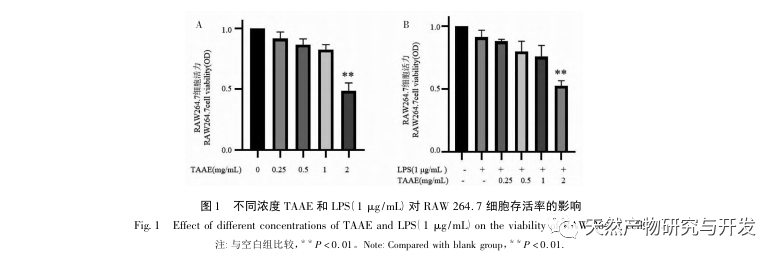
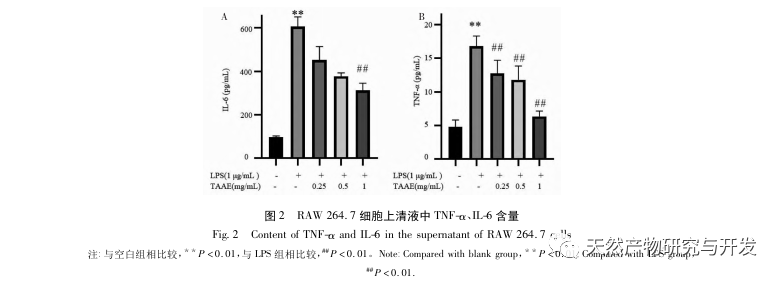
Macrophages are one of the important immune cells in the human body. They can quickly activate stress states against pathogens invading human tissues and blood, leading to a series of inflammatory reactions. They are important innate immune cells closely related to the occurrence and development of inflammation. Inflammation is a complex pathological reaction, which is caused by a variety of physical reactions of the immune system when exposed to external injury or infection. It is an important part of the pathophysiology of many chronic diseases, such as neurodegenerative diseases, rheumatoid arthritis, arteriosclerosis, etc. A study has found that TAAE can inhibit the Toll like receptor 4/nuclear factor – κ B (TLR4/NF – κ B) pathway, thereby reducing the expression of collagen induced inflammatory cytokines interleukin-1 β (IL-1 β) and tumor necrosis factor – α (TNF – α) in synovium of rats (CIA), inhibiting rheumatoid arthritis synovitis, and suppressing the progression of rheumatoid arthritis. TAAE can also inhibit the nuclear entry of NF – κ B, thereby suppressing the release of inflammatory factors and inhibiting synovial proliferation. Yang et al. found that the ethanol extract and ethyl acetate extract of 300 sticks can inhibit joint swelling in CIA rat models, reduce pro-inflammatory factors such as TNF – α, IL-1 β, and interleukin-6 (IL-6), and increase the expression of immunosuppressive factor interleukin-10 (IL-10) in serum. All of the above demonstrate the excellent anti-inflammatory and anti rheumatic effects of the three hundred sticks.
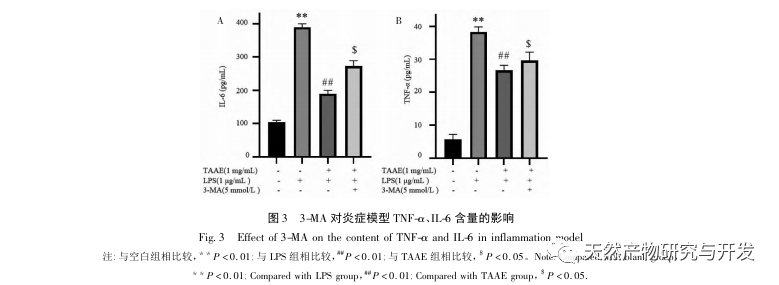
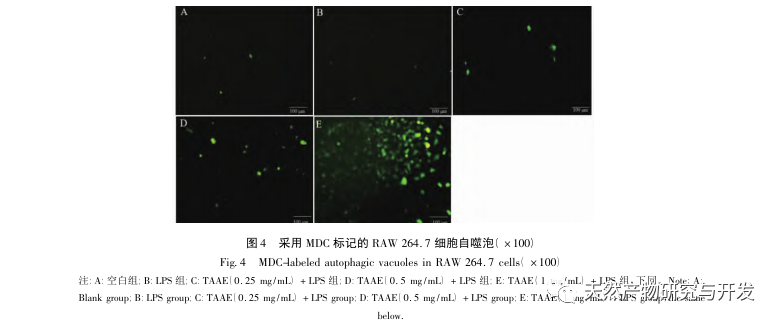
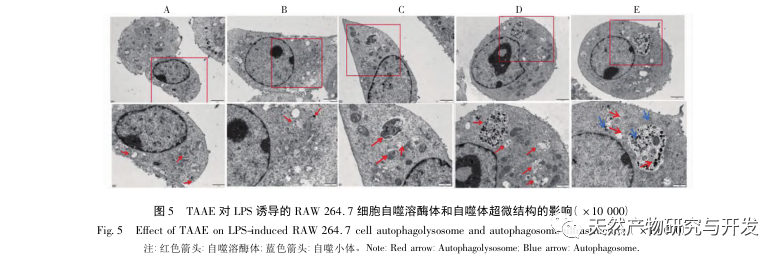
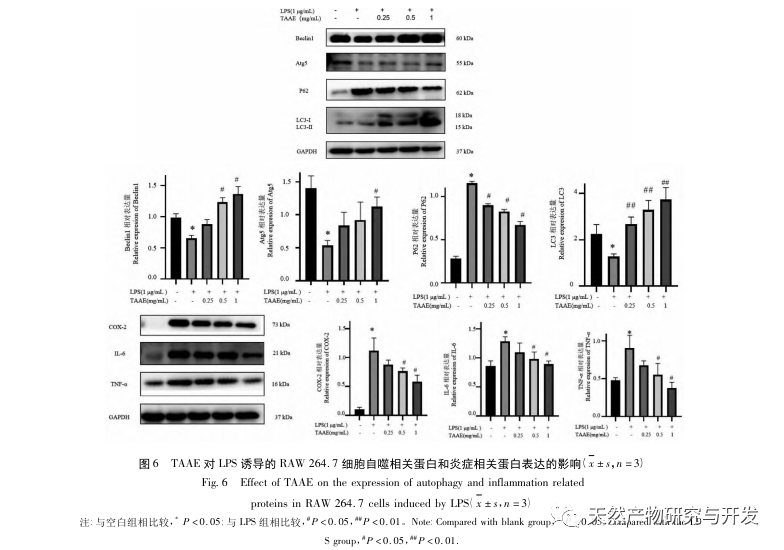
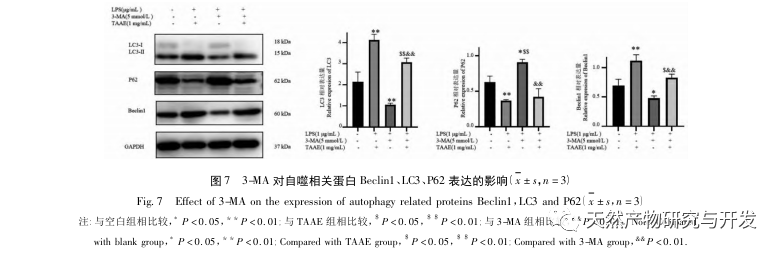
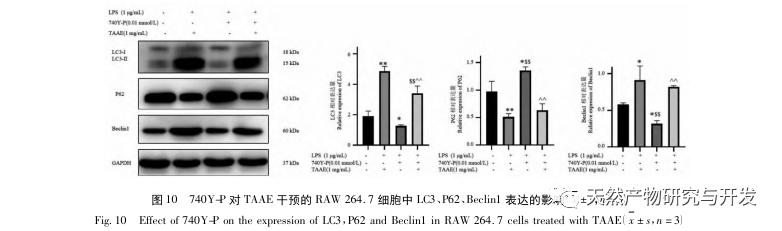
Autophagy is the process in which eukaryotic cells utilize lysosomes to degrade their own cytoplasmic proteins and damaged organelles under the regulation of autophagy related genes. This process can degrade invading pathogenic microorganisms, damaged organelles, and abnormally accumulated proteins, playing an important role in biological processes such as cell quality control, metabolism, and innate and adaptive immunity. Many studies have confirmed that autophagy has a bidirectional effect on inflammation: on the one hand, autophagy may counteract inflammatory responses by removing inflammatory protein aggregates and downregulating pro-inflammatory cytokines that cause tissue damage; On the other hand, autophagy activates inflammasomes, producing a large amount of inflammatory factors, thereby accelerating the inflammatory process. After balancing the positive and negative aspects of immunity and inflammation, autophagy can be seen as a protector of infection, autoimmunity, and inflammation. Microtubule associated protein light chain 3-II (LC3-II) is a hallmark protein of autophagy. During autophagy, LC3-I connects to a phosphatidylethanol molecule with the help of the Atg5-Atg12-Atg16 complex to form LC3-II. P62 is a substrate for autophagic degradation, playing a crucial role in the recognition and encapsulation of degraded substrates. When Beclin1 is overexpressed in mammalian cells, it promotes cellular autophagy. Therefore, LC3, Beclin1, P62, and Atg5 can serve as marker proteins for autophagy. To investigate whether the anti-inflammatory effect exhibited by TAAE is related to autophagy, this study used Western blot to detect the protein expression of autophagy related proteins P62, Beclin1, Atg5, and LC3, as well as the protein expression of inflammation related proteins TNF – α, IL-6, and cyclooxygenase-2 (COX-2). The experimental results showed that after TAAE intervention, the protein expression levels of Beclin1, Atg5, and LC3-II/LC3- gradually increased, while the expression level of substrate P62 protein gradually decreased, and the expression of inflammation related proteins also decreased. The experimental results using MDC method to label autophagosomes and transmission electron microscopy to observe autophagosomes also showed that TAAE promoted autophagy in RAW 264.7 cells. To further demonstrate the effect of autophagy on inflammation, autophagy inhibitor 3-MA, which is also a specific inhibitor of the PI3K signaling pathway, was used to control macrophage autophagy, block autophagic chelation and protein degradation. The results showed that autophagy inhibitor 3-MA weakened the inhibitory effect of TAAE on inflammatory cytokines, while TAAE intervention could effectively reduce the secretion of cytokines TNF – α and IL-6 in the inflammatory model, once again demonstrating that TAAE exerts anti-inflammatory effects by promoting autophagy in RAW 264.7 cells.
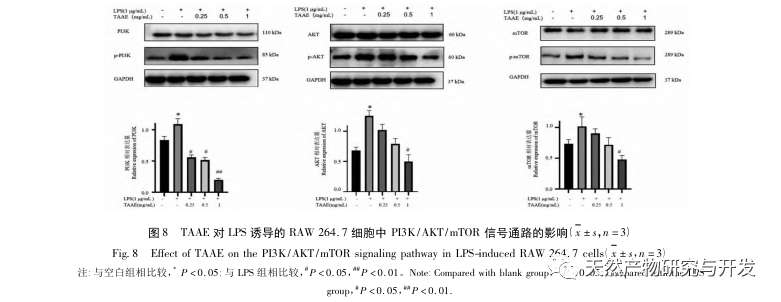
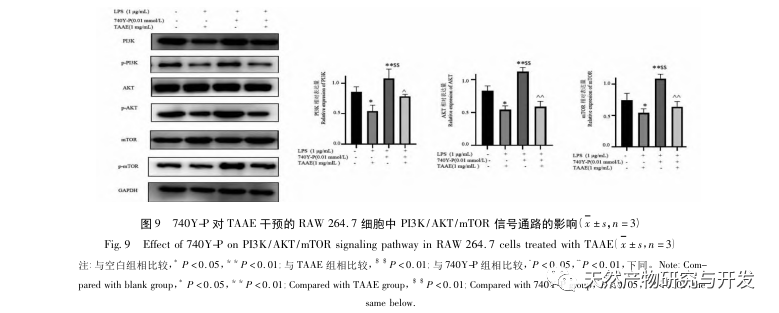
The PI3K/AKT/mTOR signaling pathway plays an important role in autophagy regulation, and autophagy levels are enhanced when the PI3K/AKT/mTOR pathway is inhibited. MTOR is a mammalian target of rapamycin and plays an important regulatory role in autophagy response, serving as a key negative regulatory axis of autophagy. Many natural products have been shown to inhibit inflammation and autoimmune diseases by targeting PI3K/AKT/mTOR mediated autophagy. Previous experiments have confirmed that TAAE can block autophagic flow and promote apoptosis of MH7A cells through the PI3K/AKT/mTOR signaling pathway. The PI3K/AKT/mTOR signaling pathway was validated by Western blotting, and experimental data showed that TAAE significantly reduced the expression levels of phosphorylated PI3K, AKT, and mTOR, indicating that TAAE triggers autophagy by inhibiting the PI3K/AKT/mTOR pathway. The simultaneous use of PI3K agonist (740Y-P) further demonstrated that TAAE induces autophagy by inhibiting the PI3K/AKT/mTOR signaling pathway. In addition, the PI3K/AKT/mTOR signaling pathway is directly related to inflammation and immunity. This study found that TAAE treatment reduced the levels of pro-inflammatory cytokines in LPS induced RAW 264.7 cells. This study demonstrates that in the LPS induced inflammatory environment of RAW 264.7 cells, TAAE inhibits the autophagy related pathway PI3K/AKT/mTOR, regulates autophagy related proteins and inflammatory factors, promotes autophagosome lysosome fusion and degradation, affects the homeostasis of inflammatory cells, inhibits inflammatory responses, and thus exerts anti-inflammatory effects. The results of this study suggest that PI3K/AKT/mTOR is an effective pathway for TAAE to exert anti-inflammatory effects and increase autophagic activity, which can provide new ideas for clinical treatment of autoimmune and metabolic diseases related to inflammation, and is worthy of further in-depth research.
 English
  Danish
  German
  Hungarian
  French
  Russian
  Spanish
  Turkish