
Optimization of fresh cutting and processing technology for Alisma orientalis based on response surface methodology combined with overall evaluation normalization method
Chinese herbal medicine Alisma orien tale (Sam.) Juzep. or Alisma plantago aquatica Linn. is a dried tuber of the plant Alisma orien tale (Sam.) in the family Alismataceae. It is included in the 2020 edition of the Pharmacopoeia of the People’s Republic of China (hereinafter referred to as the “Chinese Pharmacopoeia”) and has the effects of promoting water and dampness, relieving heat, and reducing turbidity and cholesterol. It is mainly used for urinary discomfort, edema and fullness, diarrhea and oliguria, phlegm induced dizziness, heat induced pain, hyperlipidemia, etc.
The traditional processing process of Chinese medicinal herbs and decoction pieces of Alisma includes purification, drying, impurity removal, repeated drying, and processing into medicinal herbs, followed by soaking, moistening, cutting into thick slices, and then drying into decoction pieces. The entire process requires repeated immersion and two drying steps, which are tedious, time-consuming, and labor-intensive. It is mainly based on traditional manual experience, with strong subjectivity, low mechanization, and difficult to control, which is not conducive to industrial development. The reply of the Comprehensive Department of the National Medical Products Administration on the procurement and processing of Chinese herbal medicines (fresh cutting) by Chinese herbal medicine production enterprises in the production area (Drug Administration Comprehensive Drug Administration Letter [2021] No. 367) clearly states that “fresh cutting is one of the methods of processing in the production area, which cuts the harvested fresh Chinese herbal medicines into slices, segments, blocks, petals, etc. Although it changes the form of Chinese herbal medicines, it does not change their properties, and reduces the processing steps of drying, soaking, cutting, and re drying Chinese herbal medicines to a certain extent, which is conducive to ensuring the quality of Chinese herbal medicines.” It can be seen that conducting research on fresh cutting processing technology for Alisma and further applying it to industrial production is highly in line with the trend of high-quality development of the Chinese herbal medicine industry. But there are currently no relevant research reports.
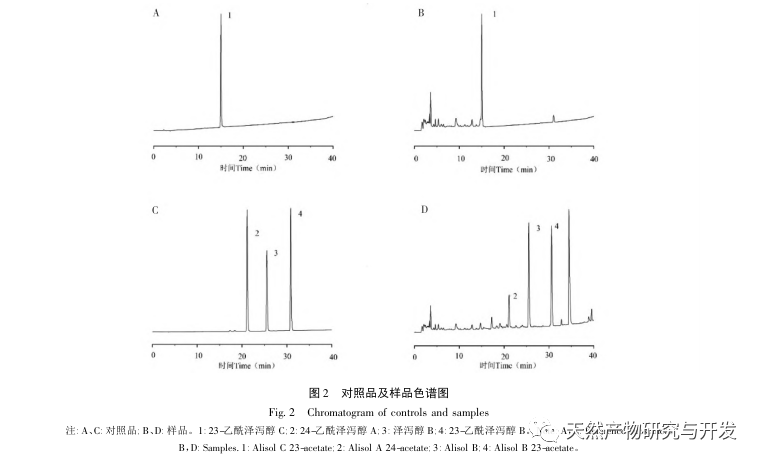
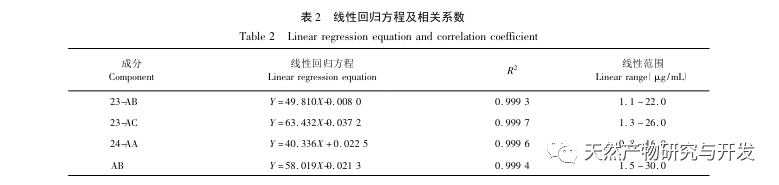
There are many factors that affect the quality of traditional Chinese medicine, and the chemical composition is complex. Testing one or two active ingredients cannot fully reflect their quality and overall efficacy. In addition to alisol B 23 acetate (23-AB) and alisol C 23 acetate (23-AC) currently recorded in the Chinese Pharmacopoeia, 24 acetyl alisol A (24-AA), alisol B (AB), and alisol polysaccharides are also important active ingredients in traditional Chinese medicine Alisma. Therefore, based on the quality evaluation indicators such as properties, alcohol soluble extracts (ASE), total content of 23-AB and 23-AC specified under the Chinese Pharmacopoeia for Alisma, this study for the first time also included the content of Alismata Rhizoma triterpenoids (ART), Alismata Rhizoma polysaccharides (ARP), 24-AA, AB, etc. in the assessment indicators, aiming to more comprehensively reflect the quality of Alisma medicinal materials.
Therefore, based on the clarification of the main influencing factors of Alisma processing technology in the early stage, this article determines the parameter range of each factor through single factor experiments, uses response surface methodology combined with overall evaluation normalization method to further optimize the fresh cutting processing technology of Alisma, and compares it with its traditional processing method, in order to obtain a better processing method for Alisma production areas, provide reference for the standardized and large-scale development of the Alisma processing industry, and improve the quality of Alisma related products.
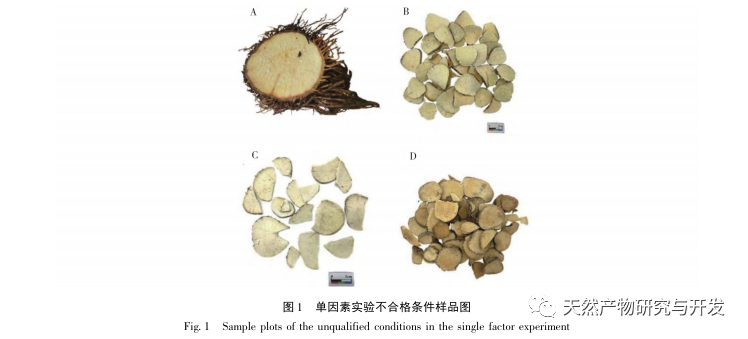
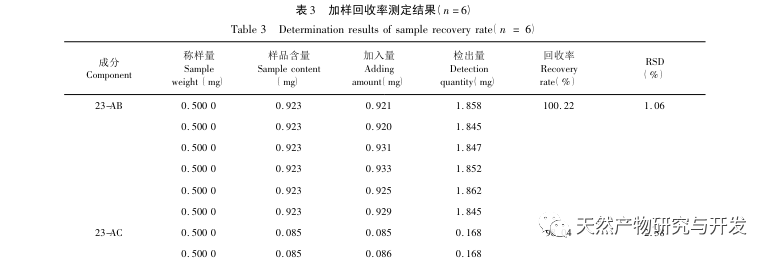
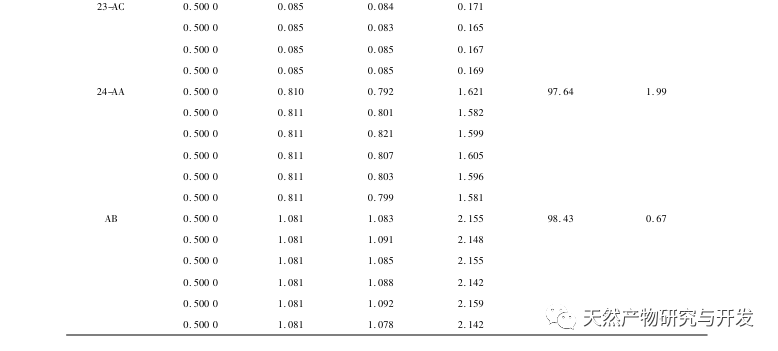

The processing at the place of origin and the processing of decoction pieces directly affect the quality of traditional Chinese medicine, and further affect the production and clinical application of traditional Chinese patent medicines and simple preparations. As for the current production and processing of Alisma officinalis medicinal materials in the production areas, although the annual output accounts for more than 80% of the national Alisma officinalis medicinal materials, there are many problems such as scattered processing sites, small scale, mechanization, and low standardization. The large-scale processing demand for Alisma officinalis in a short period of time conflicts greatly with the traditional workshop style processing mode with limited efficiency, resulting in uneven quality of Alisma officinalis and affecting clinical medication. Therefore, the research team conducted a preliminary feasibility study on the processing of fresh cut Alisma leaves in the early stage. Through research, it has been found that compared with the quality of traditional cut medicinal pieces, the quality of fresh cut Alisma leaves is consistent, and in some indicators, the quality is better: in terms of characteristics, the cut surface of Alisma leaves is whiter, the slices are more uniform, and the failure rate of curled and crushed slices is lower than that of traditional cut medicinal pieces; From the perspective of medicinal substance basis, the content of pharmacopoeial quality control indicators such as ASE, 23-AB, and 23-AC is higher than that of traditional processed decoction pieces and more stable. This result is also verified again in the “2.4 Validation Experiment and Process Comparison Study” of this article. At the same time, according to the preliminary field research and analysis of the research group, the fresh cutting and processing technology of Alisma not only reduces the secondary infiltration and drying steps of traditional processes, saving time and effort, but also introduces modern automated processing equipment for large-scale production, effectively reducing fuel and labor costs and improving production efficiency compared to traditional medicinal materials and decoction pieces processing. Fresh cutting and processing of Alisma can further achieve intensive and standardized production, and provide favorable conditions for establishing a traceability system for Alisma medicinal materials, ensuring the stability of the quality of Alisma medicinal materials and decoction pieces, which is more in line with the high-quality development needs of China’s entire traditional Chinese medicine industry chain. Moreover, Alisma is a major medicinal herb and a famous authentic herb in Sichuan. More than 80% of its annual production is concentrated in the Minjiang River Basin, such as Meishan and Leshan cities in Sichuan. The concentration of production areas has provided strong innate conditions for the development of a large-scale fresh cutting and processing industry for Alisma. In summary, from the comprehensive analysis of improving the quality of Alisma products, simplifying production processes, reducing production costs, developing intensive, standardized, and large-scale processing industries, and establishing a Alisma quality traceability system, it is feasible to cut and process Alisma while it is fresh and should be vigorously developed.
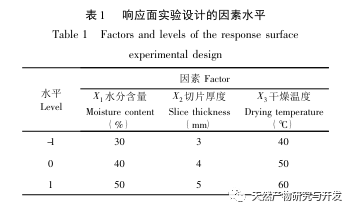
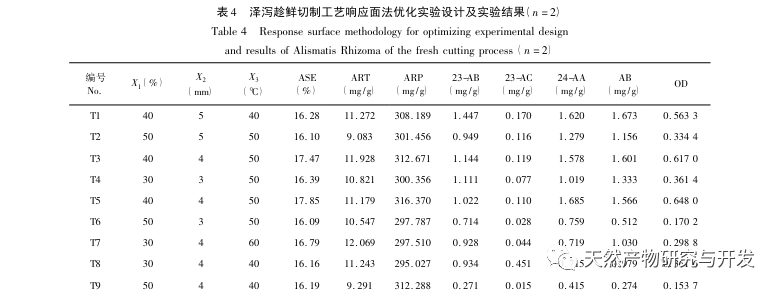
It is worth noting that during the drying process, the material will experience a reduction in volume and surface wrinkling due to the loss of water filling and supporting functions by cells. However, different materials have significant differences in structural changes due to their own properties and various influencing factors. Therefore, in order to ensure that samples of Alisma with different moisture contents have a relatively consistent initial state when entering the optimization experiment, based on the previous pre experimental observation results, the sample drying pretreatment was carried out at a low temperature of 40 ℃. Under this temperature condition, dried Alisma root tuber cells lose water slowly and undergo overall structural changes slowly, with no significant changes observed in a short period of time. Meanwhile, the results of the single factor experiment showed that the water content of Alisma rhizome with a moisture content of 30% to 50% was generally uniform in appearance and structure. Therefore, the range of water content investigation for the optimized experiment of Alisma rhizome was set at 30% to 50%. Because when the moisture content is 60%, white juice seeps out from the cut surface; When the moisture content is 20%, the outer surface is relatively hard, difficult to slice, and prone to producing gaps and debris.
The drying temperature affects the rate of moisture evaporation in materials. The higher the drying temperature, the faster the rate of moisture evaporation and the shorter the total drying time. The slice thickness is thin, and the moisture inside the material diffuses outward quickly during the drying process, resulting in a short total drying time; However, the thickness of the slices is thick, and the diffusion rate of moisture inside the material during the drying process is slow, resulting in prolonged drying time. In this study, when the moisture content of Alisma root tubers was 40%, the slice thickness was 4mm, and the drying temperatures were 40, 50, and 60 ℃, the total processing time was 20-22, 10-12, and 7-8 hours, respectively. That is, as the drying temperature increased, the processing time shortened, but at the same time, the color of the cross-section of Alisma root slices gradually deepened; When the moisture content of the Alisma rhizome is 40%, the drying temperature is 50 ℃, and the slice thickness is 3, 4, and 5mm, the total processing time is 7-8, 10-12, and 18-20 hours, respectively. That is, as the slice thickness increases, the processing time prolongs. The preliminary single factor pre experiment results show that when the slice thickness is 2mm, the drying time is extremely short, which is 3-4 hours, but there are serious phenomena such as warping and fragmentation; When the slice thickness is 6mm, not only is the drying time long (30-32h), but the thickness after drying exceeds the standard of the Chinese Pharmacopoeia (4mm).
According to modern research, the content of active ingredients 23-AB and 23-AC in Alisma officinalis dried at high temperatures of 80 ℃ and above is significantly lower than that dried at low temperatures of 60 ℃ and below. It is speculated that there are two conversion pathways for 23-AB during the high-temperature drying process: one is to oxidize and open the ring to generate alisol A 23 acetate (23-AA), which is then structurally rearranged to generate 24-AA, and further deacetylated to generate alisol A (AA); the other is to first deacetylate to generate AB, and then oxidize and open the ring together with AB in the original Alisma officinalis to convert to AA. The 23-AC structure is similar to it and may have the same conversion pathway. Therefore, the quality of traditional production workshops for Alisma officinalis varies greatly, which is speculated to be closely related to the improper control of processing temperature leading to the transformation and reduction of its medicinal ingredients. Because according to preliminary research, some workshops are mainly operated manually, forcing the drying temperature to be too high in order to control processing time and reduce costs. The fresh cutting process of Alisma has been validated through scientific experiments, and the combination of scientific drying pretreatment, appropriate moisture content, slice thickness, and processing temperature process parameters has effectively solved this problem.
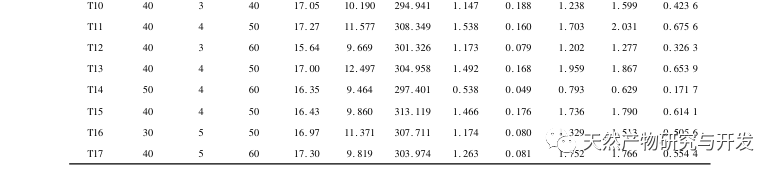
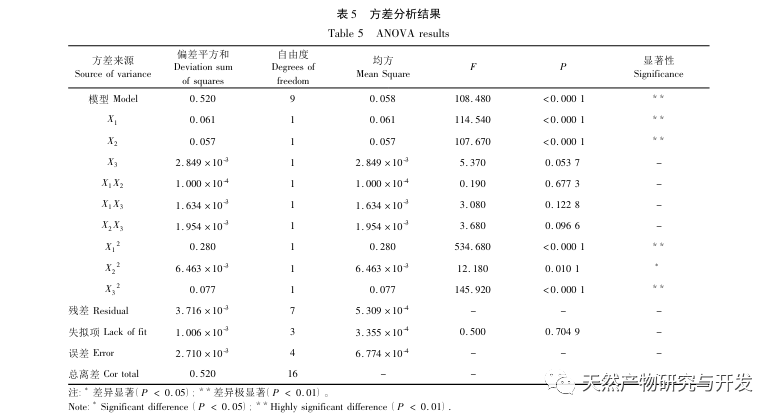
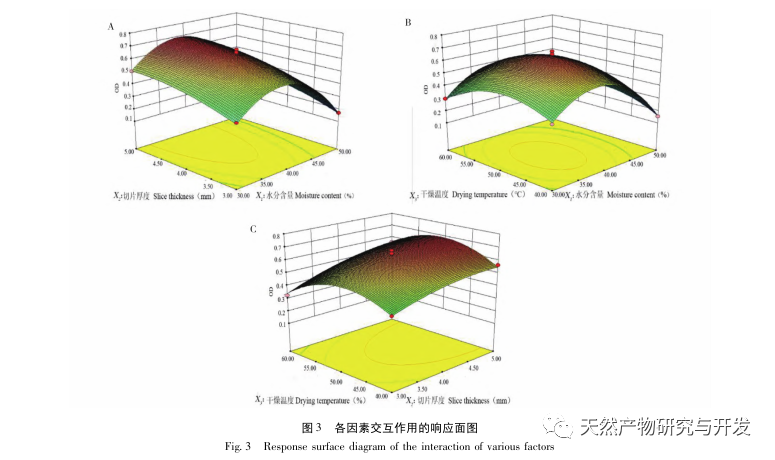
Therefore, based on previous research, this article further adopts the response surface methodology combined with the overall evaluation normalization method to conduct research on the optimization of the processing technology of fresh cut Alisma. The central points affecting the processing technology of fresh cut Alisma were determined through single factor experiments, with the appearance and energy consumption of Alisma as evaluation indicators. The moisture content of fresh Alisma was 40%, the slice thickness was 4mm, and the drying temperature was 50 ℃. On this basis, using the OD of the internal quality evaluation criterion of Alisma as the response value of the response surface methodology, a highly significant multiple binomial regression model with good fit was obtained through analysis using Design Expert 8.0.6 software. The results of variance analysis and response surface methodology indicate that the selected process method is reliable. The final processing technology for fresh cutting of Alisma was determined to have a moisture content of 37.01%, a cutting thickness of 4.50mm, and a drying temperature of 49.36 ℃. Based on actual industrial production needs, the optimal processing technology for fresh cutting of Alisma was determined to be: when the moisture content is 40%, the slice thickness is 4mm, and the drying temperature is 50 ℃. To verify the reliability of the fresh cutting processing technology, this article conducted three sets of repeated experiments based on the optimal fresh cutting processing technology, and the results proved that the technology is stable and reliable; The preferred processing technology for fresh cutting of Alisma is to pre dry at 40 ℃ in the early stage, and then dry at 50 ℃ for 10-12 hours after slicing to achieve a moisture content of less than 12.0%. This avoids the high temperature and long drying time in traditional processing, minimizes the conversion of triterpenoid components, and preserves the active ingredients. Therefore, compared with traditional processed medicinal pieces, the internal quality of fresh cut Alisma leaves is better. The fresh cutting and processing technology of Alisma will provide a scientific method for the standardized, large-scale and high-quality development of the entire industry chain of Alisma medicinal materials and decoction pieces processing industry in China as soon as possible, laying a solid technical foundation.

 English
  Danish
  German
  Hungarian
  French
  Russian
  Spanish
  Turkish