
Research on the Commodity Grade Evaluation Standards of Chuan Ze Xie Medicinal Materials Based on Multivariate Metrology Method
Alisma orientale (Sam.) Juzep. or Alisma plantago aquatica Linn. is a dried tuber of the plant in the Alisma family. It has the effects of promoting diuresis, relieving heat, and reducing turbidity and cholesterol. According to the place of origin, it is mainly divided into “Jian Ze Xie” and “Chuan Ze Xie”. In recent years, the average annual production of Sichuan Alisma has been about 17000 tons, accounting for more than 80% of the total market for Alisma medicinal materials, and has become the mainstream commodity of Alisma medicinal materials in China. And with excellent quality, it is a famous authentic medicinal herb in Sichuan.
For a long time, whether it is the market, relevant standards or modern research, “Jian Ze Xie” has been the center. The 2020 edition of the Pharmacopoeia of the People’s Republic of China (referred to as the “Chinese Pharmacopoeia”) has been revised, and the original Alisma plantago aquatica Linn. has been officially included in the legal standard. However, the current commodity standards for medicinal herbs, including the 1984 “Specification Standards for 76 Medicinal Herbs” and the 2018 “Specification Grades for Chinese Medicinal Herbs”, only include Alisma orientale (Sam.) Juzep, Urgent revision is needed. According to herbal research and modern studies, there are significant differences in the quality of medicinal materials between Chuan Ze Xie and Jian Ze Xie in terms of origin, place of production, cultivation, and processing techniques. Therefore, with the revision of the production pattern of Alisma and the legal standards for medicinal materials, in accordance with the principles of “pharmacopoeia based” and “market-based” for medicinal material commodity standards, it is urgent to strengthen the research on the quality of Alisma products, excavate grading indicators that can reflect the quality characteristics of authentic medicinal materials, and further establish standards.
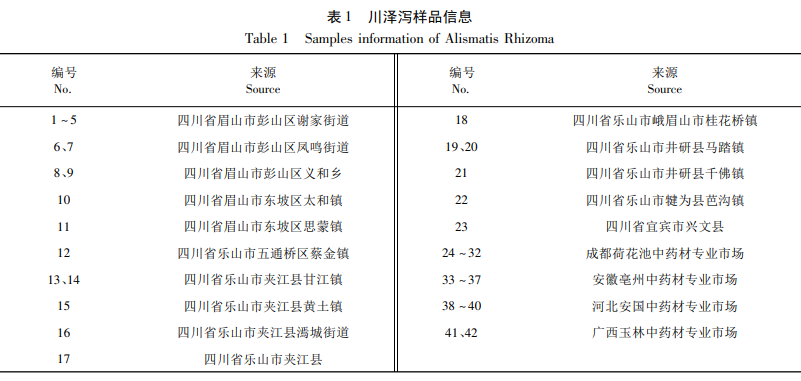
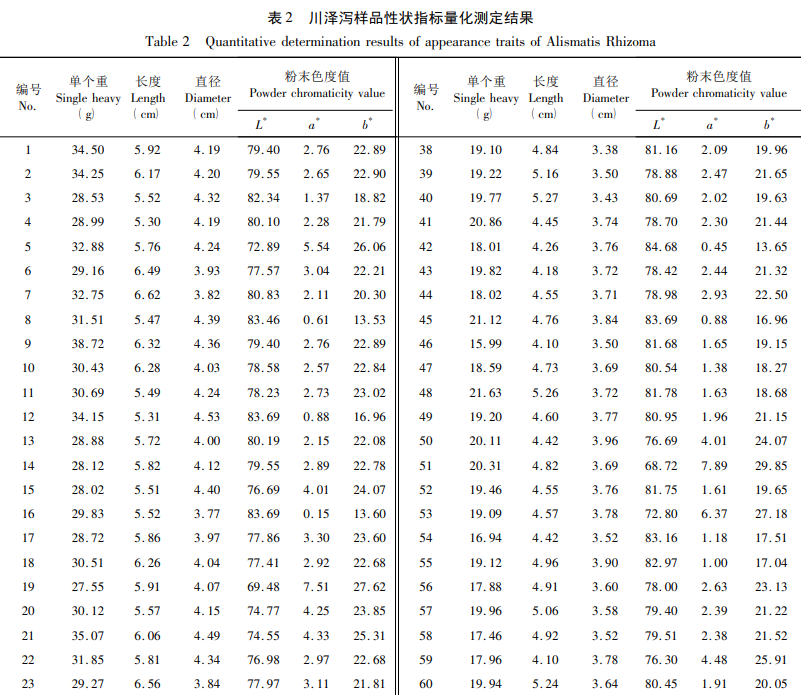
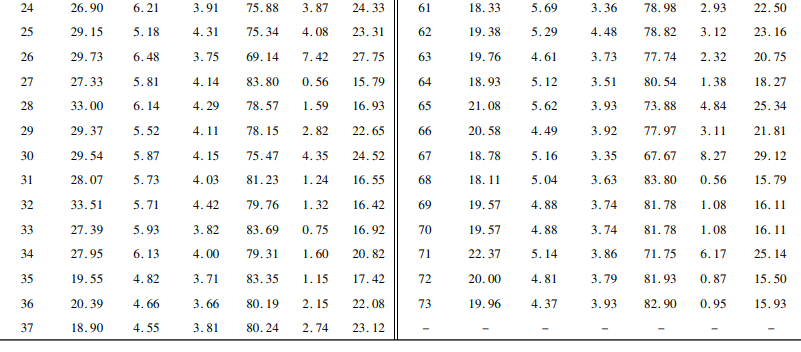
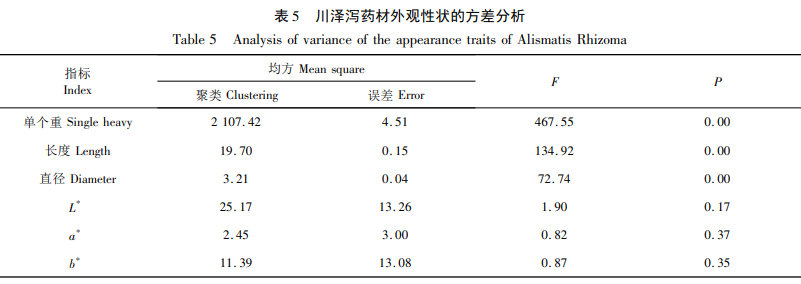
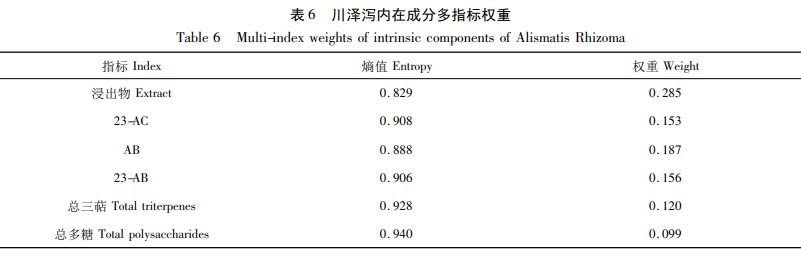
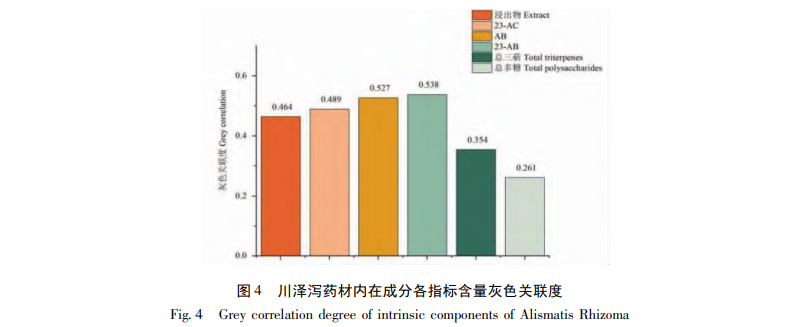
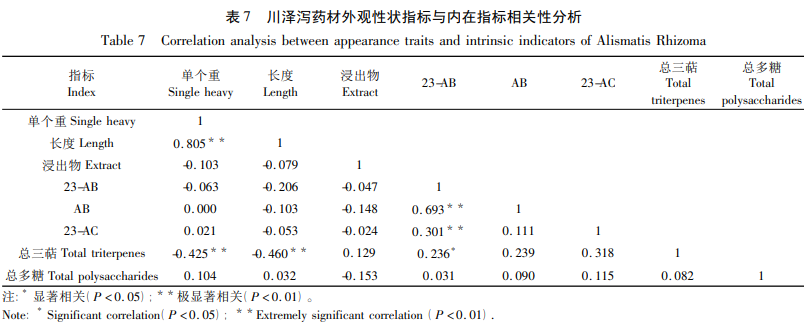
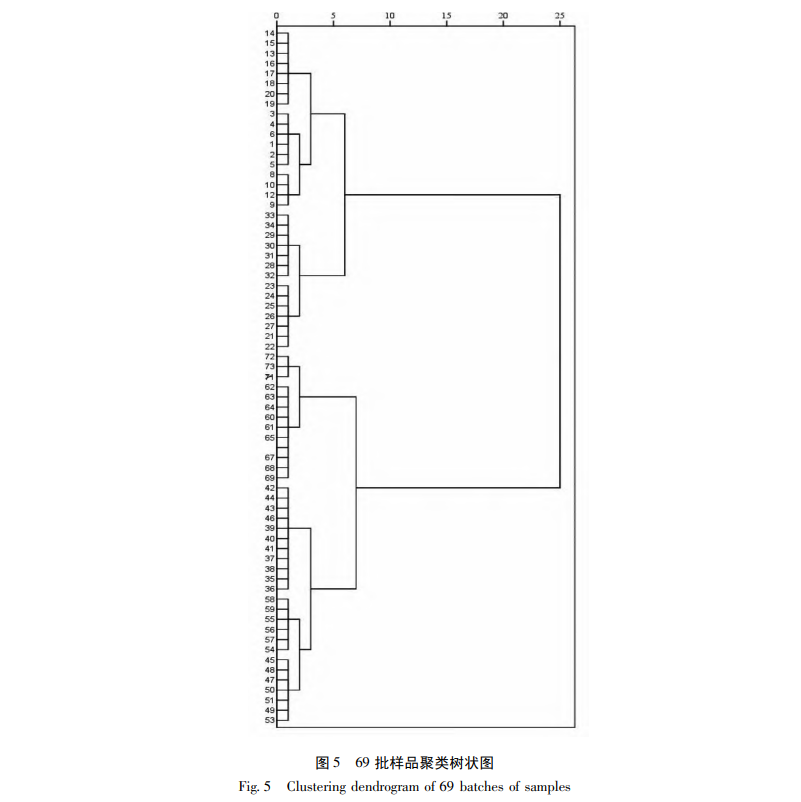
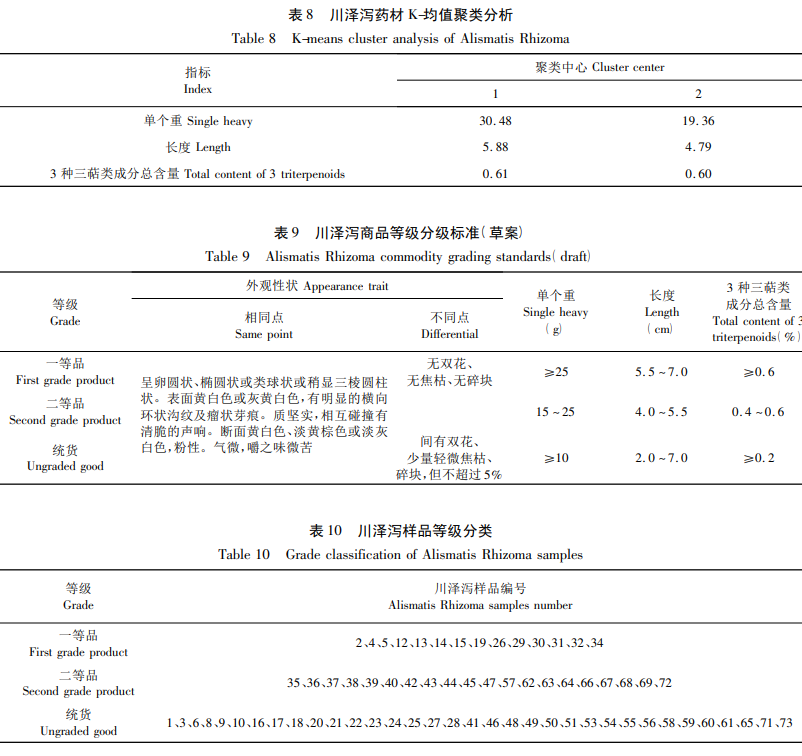
However, the current standards for the commodity of Alisma laxatives are still only classified based on their appearance. The chemical composition is the material basis for the pharmacological effects of traditional Chinese medicine. Therefore, based on the research of “distinguishing the appearance and quality” of medicinal materials, combined with modern technology and achievements, internal quality indicators and determination methods that can reflect the efficacy of traditional Chinese medicine should be introduced in the application of medicinal material grade standards. However, the composition of traditional Chinese medicinal materials is complex, and it is often difficult to comprehensively evaluate the quality of medicinal materials using a statistical method. The rapid development of modern statistics and bioinformatics provides a reliable method for us to achieve multivariate analysis and explore the material basis of traditional Chinese medicine efficacy. Different methods have different principles and applicability, and comprehensive application can make the analysis results more systematic and comprehensive. Therefore, for the first time, this article combines descriptive statistics and analysis of variance to screen the appearance trait indicators of Alisma chuanxiong; Using the entropy weight method to calculate the weights of each indicator of the intrinsic components, and using these weights as the objective assignment of the grey correlation resolution coefficient, the intrinsic component indicators are sorted and screened by calculating the magnitude of the correlation degree; Using correlation analysis method to analyze the correlation between the appearance traits and intrinsic pharmacological components of Chuanze Xie medicinal materials, and selecting grading indicators that can comprehensively reflect the quality of Chuanze Xie medicinal materials. Furthermore, the K-means clustering analysis method was used to classify the grades of Alisma officinalis medicinal materials, and a commodity grade standard for Alisma officinalis medicinal materials was formulated to provide technical reference for promoting the formation of a “high-quality and cost-effective” system for Alisma officinalis medicinal materials and the high-quality development of the Alisma officinalis industry.
 In the long process of development, traditional Chinese medicine has gradually formed a quality rating standard of “product evaluation, grading and bargaining”, namely the specification grade of Chinese medicinal materials. In recent years, scholars have continuously explored the correlation between traditional appearance traits and the material basis of traditional Chinese medicine efficacy, screened evaluation indicators and methods that can comprehensively reflect the quality of medicinal materials, and established a more scientific and practical standard system for Chinese medicinal materials. They plan to control and improve the quality of Chinese medicinal materials products from the source with “high standards”, and achieve the goal of high-quality development of China’s traditional Chinese medicine industry.
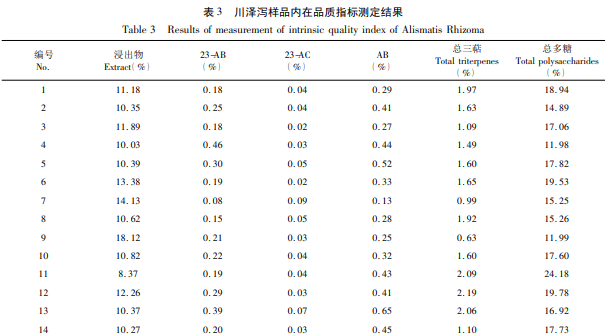
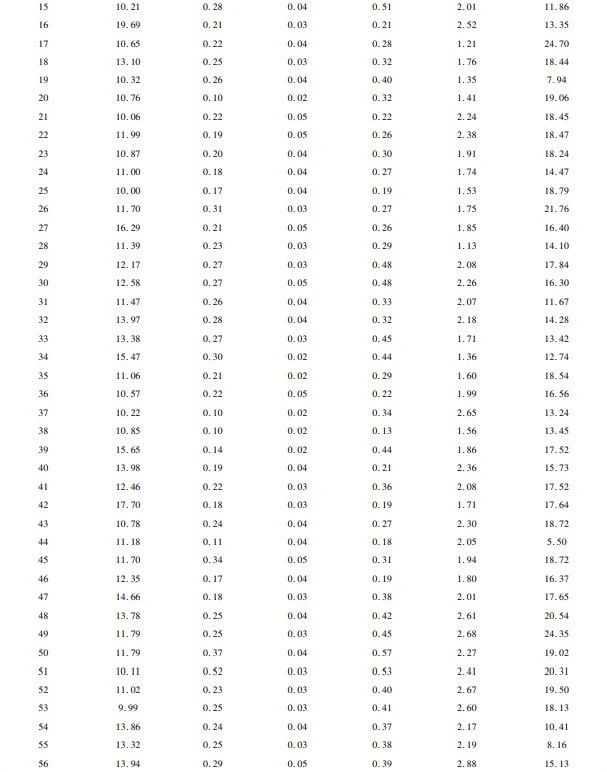
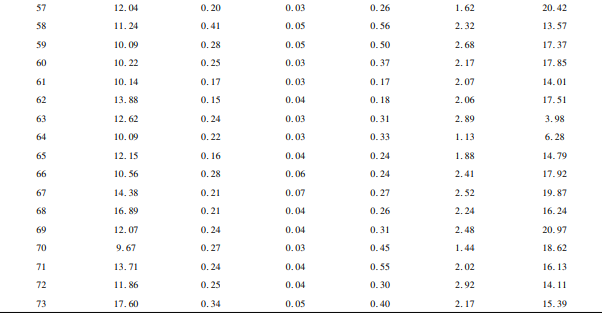
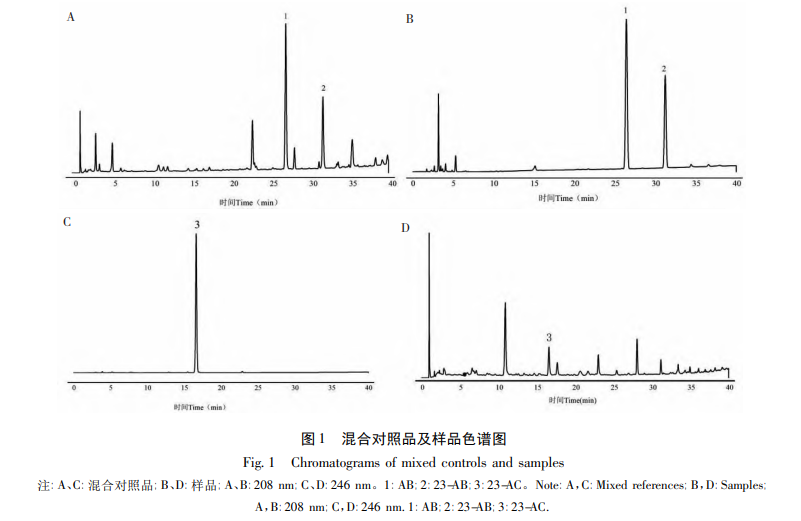
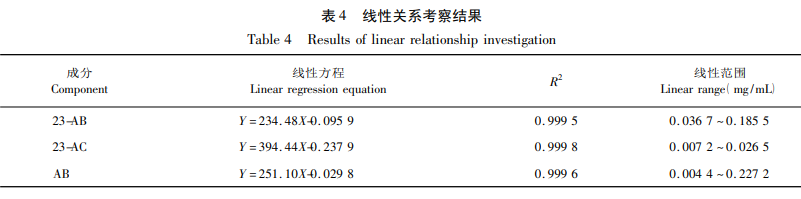
Alisma is a commodity medicinal herb with high production and sales volume; Rhizoma alismatis is a famous genuine medicinal material in Sichuan, involving standardized cultivation, intensive processing, modern storage, high-quality branded decoction pieces, traditional Chinese patent medicines and simple preparations production and other industries. However, the existing grading standards for Alisma products only use individual weight based on appearance characteristics as the classification index, with “big” as the core for grading, lacking specific morphological characterization. The grading standards for different markets and different merchants in the same market are not unified. Therefore, this article introduces modern multivariate statistical methods for the first time, focusing on the active ingredients of Alisma and its biomarkers. It selects grading indicators that inherit traditional trait evaluation and apply modern traditional Chinese medicine pharmacological substance research results. It links the appearance traits with the intrinsic active ingredients 23-AB, 23-AC, AB, and develops a grading classification standard for Alisma from external to internal and from subjective to objective. On the basis of inheriting the traditional classification method of appearance and grade of Alisma, this standard further applies modern scientific methods to supplement and improve the classification indicators and detection methods, aiming to better guide and promote the realization of “high quality and good price” of Alisma medicinal materials in market transactions, and promote the high-quality development of the entire Alisma industry chain.
It is worth noting that the chemical composition of traditional Chinese medicine is complex, with numerous influencing factors and complex mechanisms of change. In the results of this correlation study, there are still existing trait indicators that cannot fully explain the changes in intrinsic components. There is no significant relationship between the individual weight and length of Chuanze diarrhea and the contents of 23-AB, 23-AC, and AB, and the total triterpenoid content is even negatively correlated with individual weight and length. It is speculated that this may be related to the use of high temperature drying at 80-90 ℃ during the drying process of fresh Alisma materials in the production area to rapidly reduce moisture content, resulting in a significant decrease in the total triterpenoid content of Alisma materials. Further research is needed to determine the specific reasons. With the continuous development of modern biotechnology, the sample size can be expanded in the future, and modern research methods such as network pharmacology, genomics, transcriptomics, metabolomics, etc. can be introduced to deeply explore the quality marker Q-Marker of Chuanze Xie medicinal materials. This will enable the development of more complete and objective standards and commodity standards for Chuanze Xie authentic medicinal materials, and also provide new ideas and methods for the research of commodity standards for Chinese medicinal materials in China.
 English
  Danish
  German
  Hungarian
  French
  Russian
  Spanish
  Turkish