
Exploring the Mechanism of Traditional Chinese Medicine Component Compatibility for the Prevention and Treatment of Chronic Heart Failure Based on Network Pharmacology and Experimental Validation to Nourish Qi, Warm Yang, Promote Blood Circulation and Benefit Water
Chronic heart failure (CHF) is a clinical symptom caused by cardiac insufficiency when various heart diseases develop to the terminal stage. The main clinical manifestations of CHF are fluid retention, dyspnea, and facial floating limb swelling. The disease is progressive, with poor prognosis and high mortality, which poses a serious threat to human life safety. The harm of chronic heart failure to human life safety has surpassed that of tumors, and its diagnosis and treatment have become an important issue facing the medical community in the 21st century. With the rapid development of traditional Chinese medicine, its understanding of cardiovascular diseases has reached a new level. The compatibility of prescriptions is a specific manifestation of traditional Chinese medicine’s syndrome differentiation and treatment, which has unique advantages in treatment. Understanding the deep scientific connotation of compatibility is a problem that needs to be solved at present.
Academician Zhang Boli and his expert team have for the first time clearly proposed the theoretical concept of effective Chinese medicine component compatibility, using methods such as biological chromatography, network pharmacology, and polar segmentation screening to screen Chinese medicine components. The scientific and reproducible compatibility of Chinese medicine components is its advantage. Network pharmacology mainly uses the network to screen specific signal nodes that have a common connection between drug active ingredients and related diseases, in order to analyze and find whether drug ingredients have therapeutic effects on related diseases and specific signaling pathways. At the same time, the holistic characteristics of network pharmacology are similar to the holistic concept of traditional Chinese medicine, which also reflects its advantages in the field of traditional Chinese medicine.
This study screened the active ingredients of four drug components, including total saponins of Astragalus membranaceus, total phenolic acids of Salvia miltiorrhiza, water extract of Scutellaria baicalensis, and cinnamaldehyde. The targets of the active ingredients that interact with related diseases were identified, and the possible mechanism of action of traditional Chinese medicine components in treating CHF was revealed through molecular docking and experimental verification.
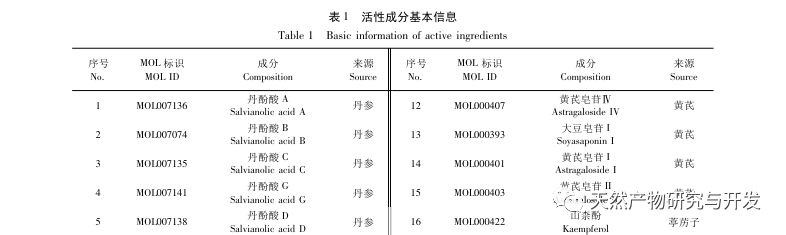
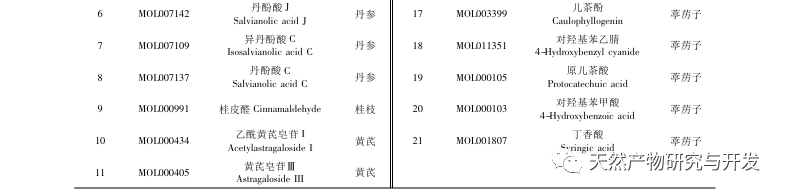
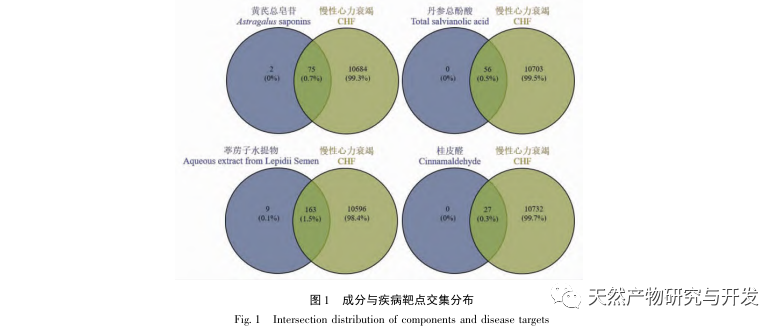
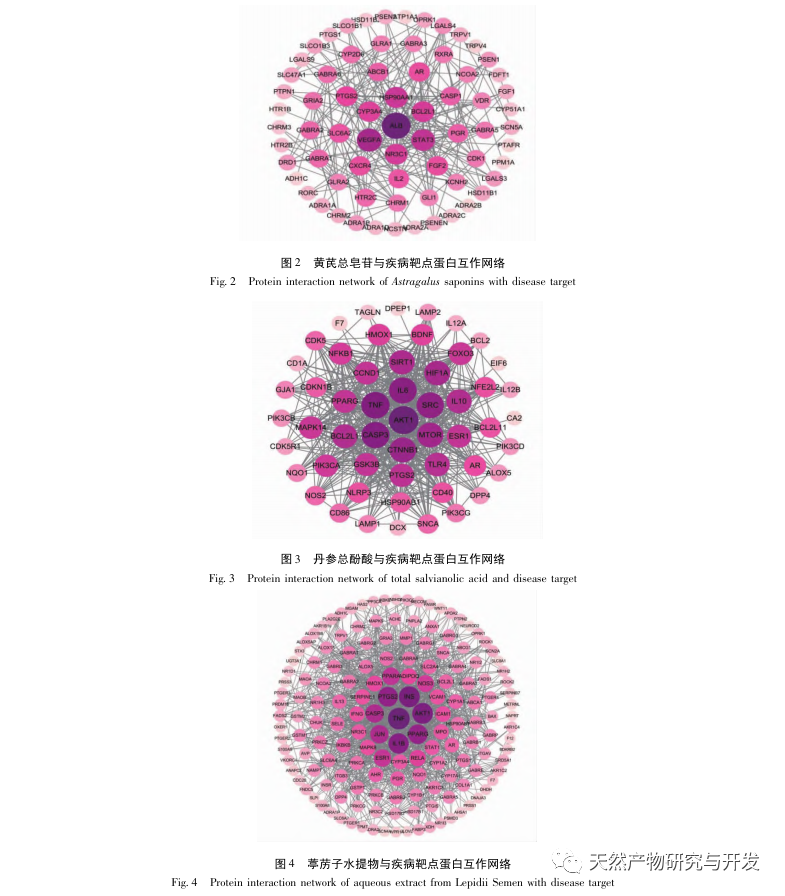


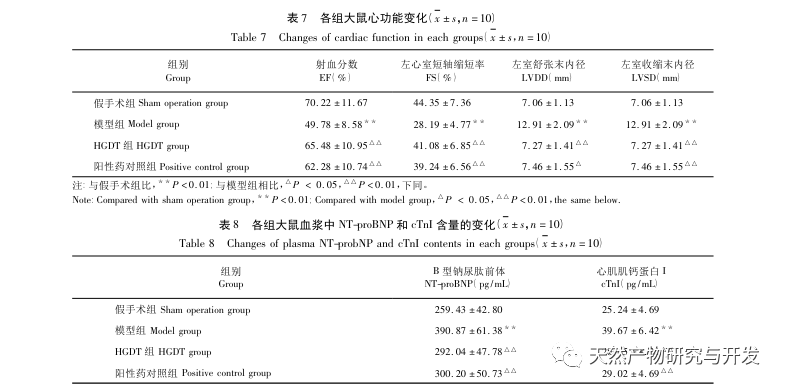
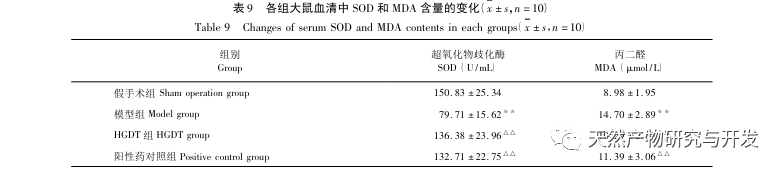
CHF is not explicitly mentioned in classical Chinese medical literature. Based on its clinical manifestations, it can be classified as “heart obstruction”, “palpitations”, “chest obstruction”, “palpitations”, “edema” and other disease syndromes. In the treatment of CHF, traditional Chinese medicine combines syndrome differentiation and holistic concepts. The “Expert Consensus on Integrated Traditional Chinese and Western Medicine Diagnosis and Treatment of Chronic Heart Failure” points out that the core pathogenesis of CHF is deficiency, blood stasis, and water. Supplementing deficiency and strengthening the foundation is the key to treating this disease. On the basis of supplementing deficiency, promoting blood circulation and removing stasis, promoting diuresis and reducing swelling are also important. Therefore, it is advisable to establish the treatment method of tonifying qi and warming yang, promoting blood circulation and promoting diuresis. The preliminary research of the research group also showed that the pathogenesis of CHF is based on the deficiency of Zong Qi, with blood stasis, phlegm turbidity, and water retention as the criteria, which are the syndromes of deficiency in the root and excess in the excess. Based on Mate analysis, the effectiveness of tonifying qi, warming yang, promoting blood circulation and diuresis formula in treating chronic heart failure has been confirmed. Research has shown that clinical modified formulas with the effects of tonifying qi, warming yang, promoting blood circulation, and promoting diuresis have proven to have a good therapeutic effect on patients with chronic heart failure and diuretic resistance. They can effectively improve patients’ cardiac function and suggest that they can improve patients’ prognosis.
The four components obtained through screening, namely total saponins of Astragalus membranaceus, total phenolic acids of Salvia miltiorrhiza, water extract of Scutellaria baicalensis, and cinnamaldehyde, are representative drugs for nourishing qi, warming yang, promoting blood circulation, and benefiting water. Modern pharmacological studies have also shown that total saponins of Astragalus membranaceus can inhibit ventricular remodeling and improve cardiac function in CHF rats, and its strength of action is dose-dependent; Danshen total phenolic acid can improve intracellular calcium circulation and enhance myocardial diastolic and systolic function. The water extract of Platycodon grandiflorus can exert anti heart failure effects by modifying the metabolic disorders in rats with heart failure. Cinnamaldehyde can effectively improve rat heart function, inhibit the release of inflammatory factors, and thus exert a protective effect on the heart.
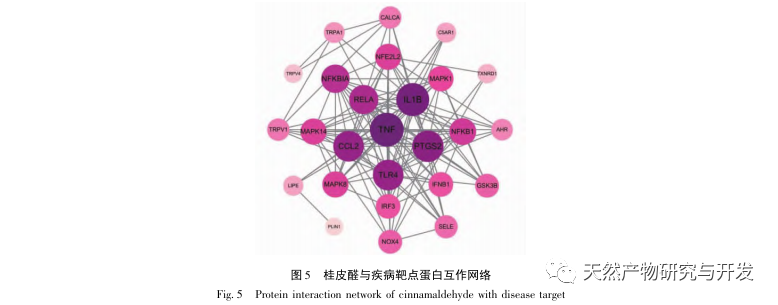
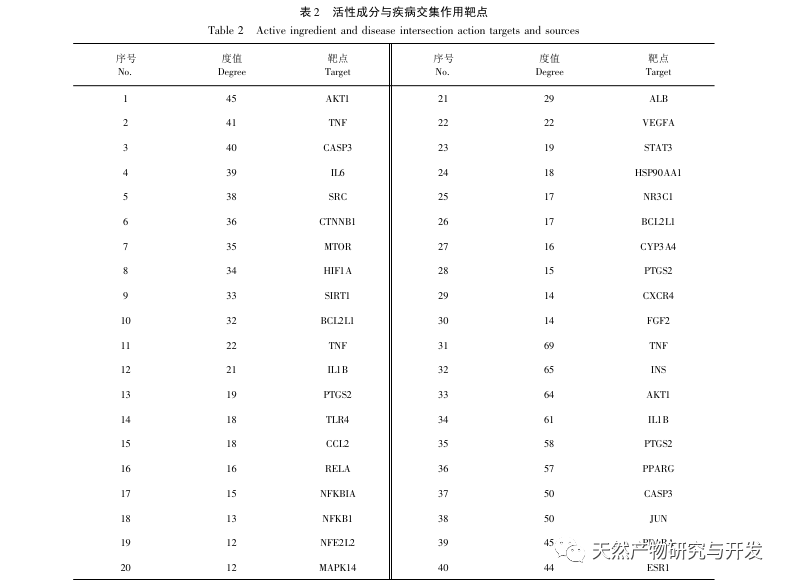
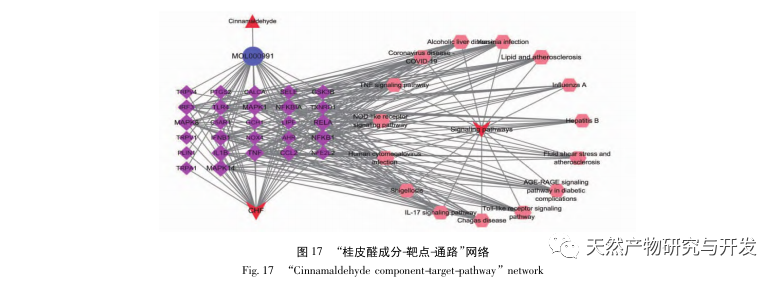
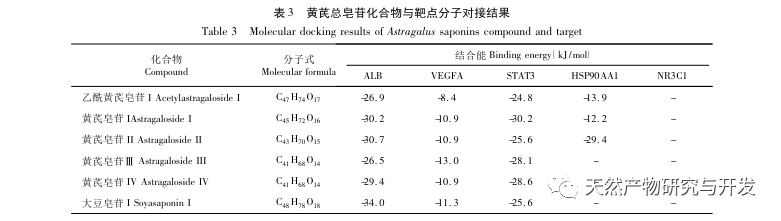
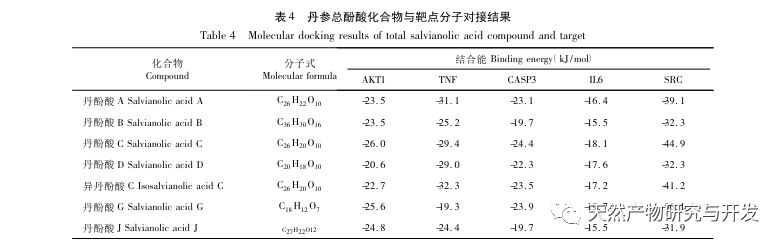
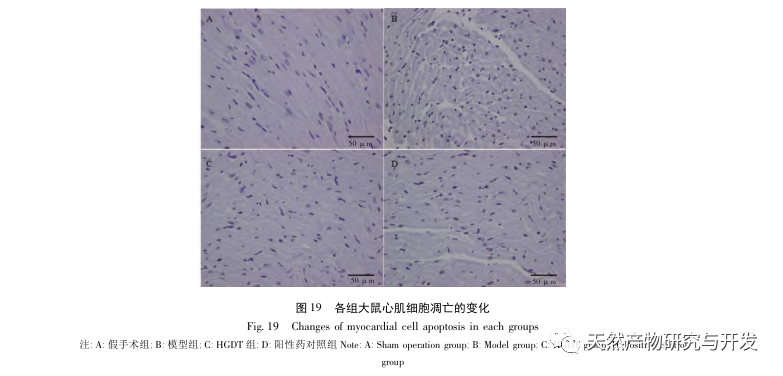
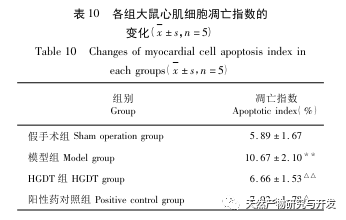
This study found that the four component targets with high degree of intersection with disease targets are AKT1, TNF, PPAR, CASP3, BCL2L1, HIF1A, MTOR, IL6, etc. Research has found that AKT achieves signal regulation by inhibiting pro apoptotic proteins or transcription factors, thereby reducing cardiomyocyte apoptosis. The activation of AKT in myocardial cells can inhibit cell apoptosis, alleviate myocardial infarction after I/R injury, and protect cardiac function. At the same time, AKT1 participates in processes such as cell apoptosis and ventricular remodeling by regulating the key expression of transforming growth factor – β (TGF – β 1). AKT regulates myocardial cell apoptosis and plays a role in reducing inflammation by activating the AKT/mTOR pathway. The classic apoptosis factors Bcl-2 and Caspase-3 are downstream factors of AKT/mTOR. Research has found that NFkB can be activated in the early stages of myocardial injury, inducing the expression of chemokines and adhesion molecules, leading to myocardial inflammation and damage.
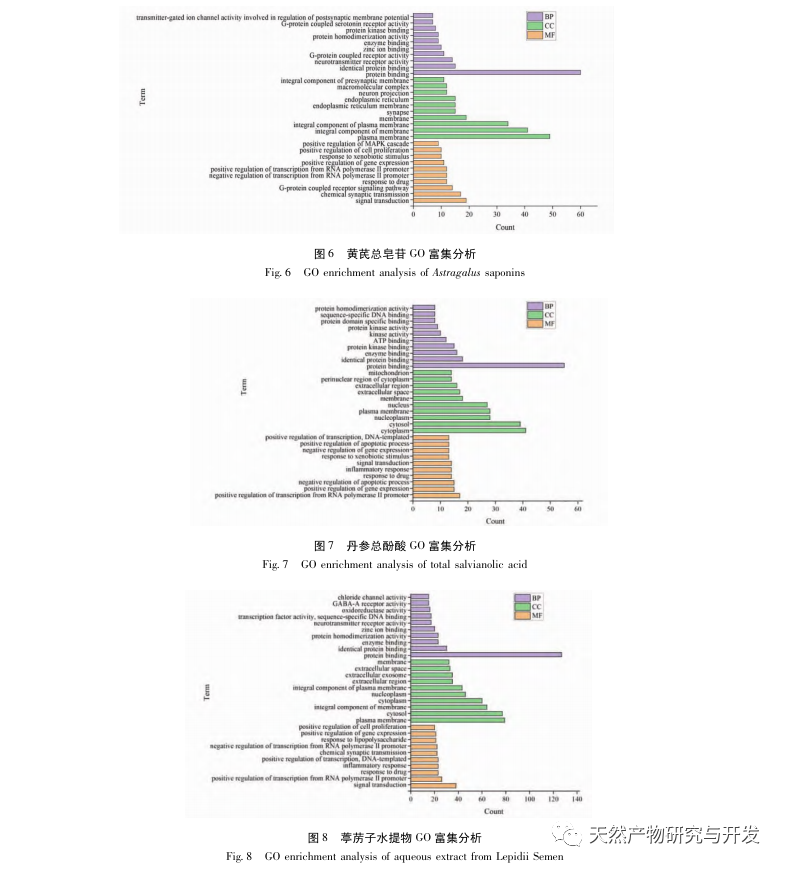
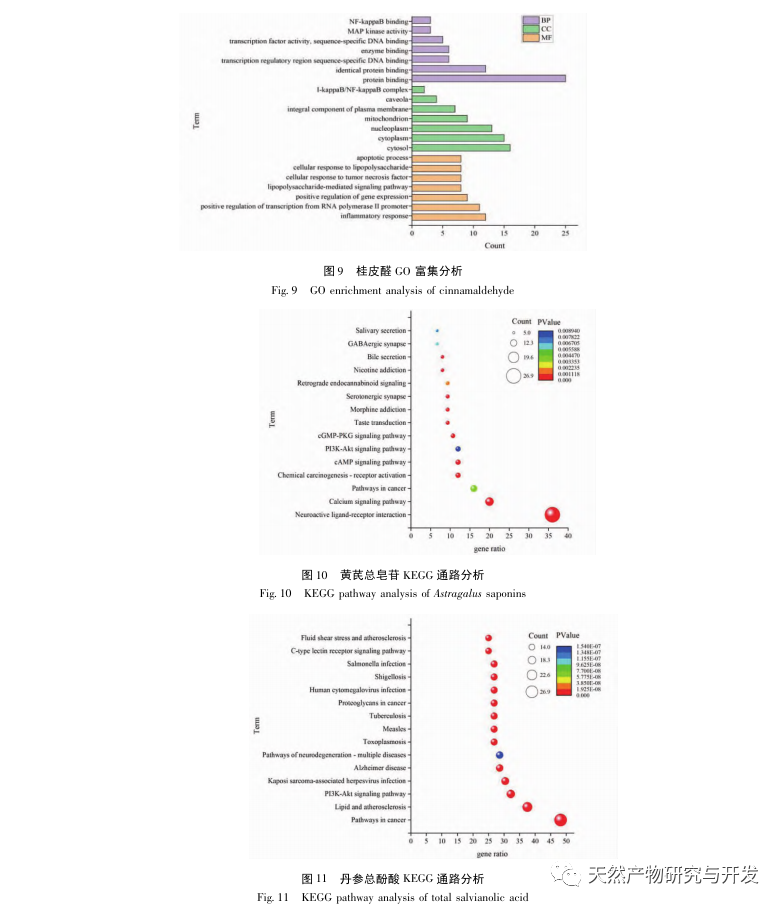
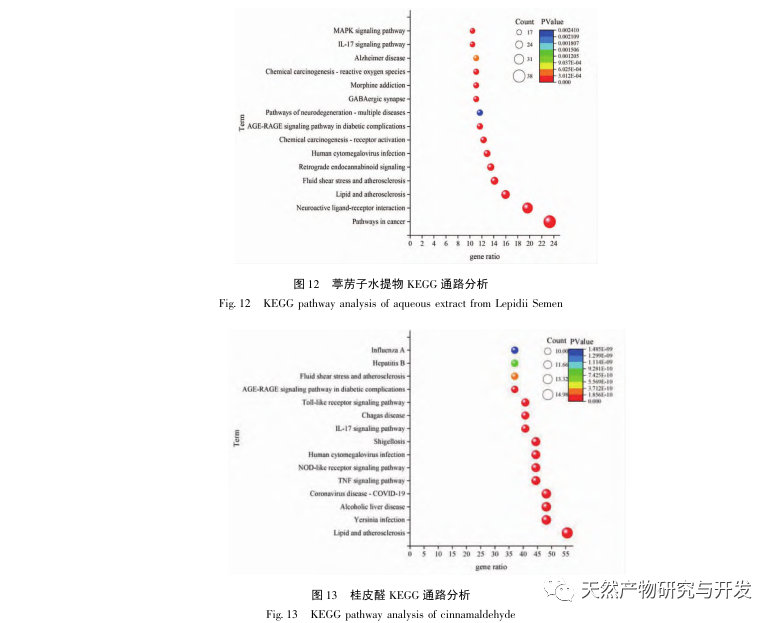
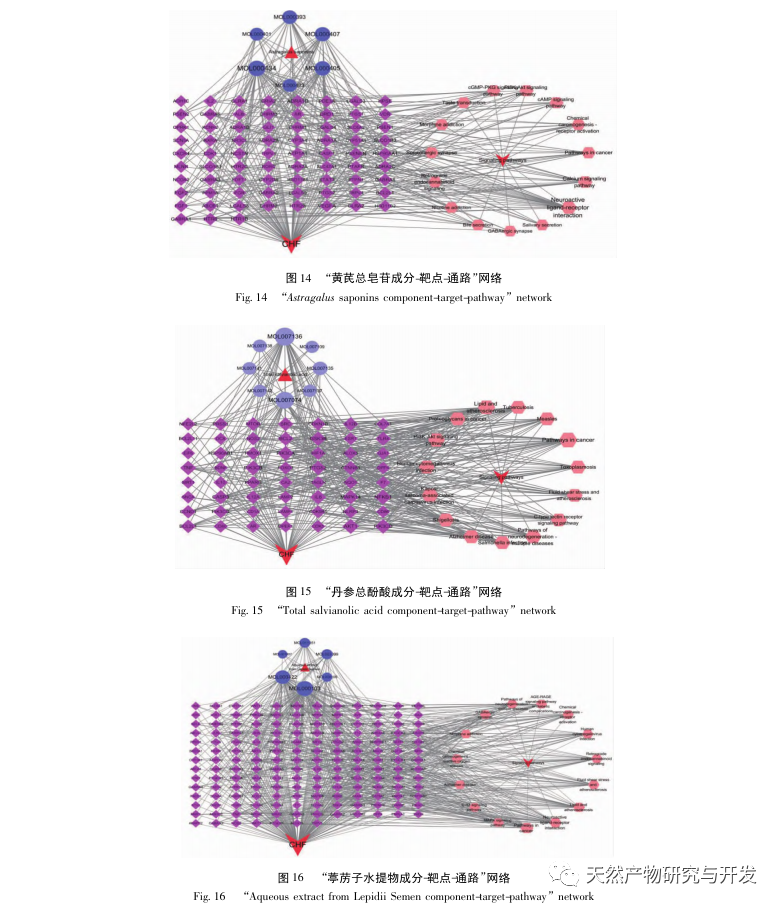
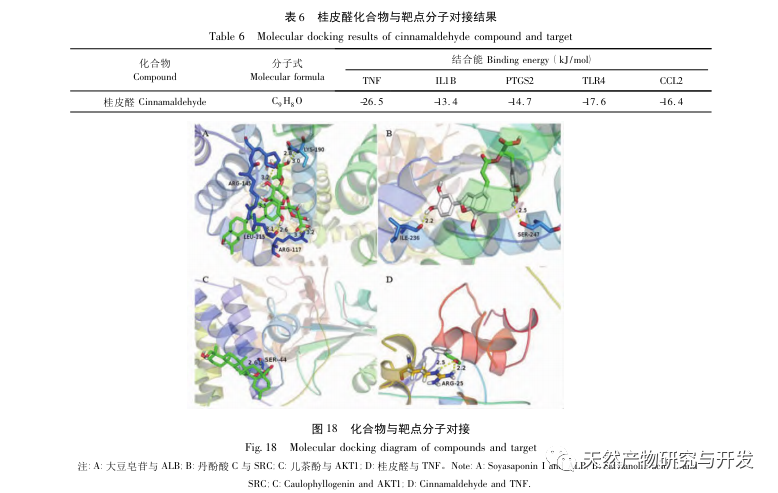
Huangqi total saponins are mainly enriched in the calcium signaling pathway, cGMPPKG, PI3K Akt, cAMP signaling pathway, etc. Previous experiments have shown that total saponins of Astragalus membranaceus can alleviate oxidative stress in rat myocardium, inhibit cardiomyocyte apoptosis, and improve cardiac function by regulating the AKL/p38MAPK pathway. Huangqi IV glycoside can inhibit platelet aggregation and play a role in preventing vascular restenosis, further suggesting that the traditional Chinese medicine principle of “qi circulation leads to blood circulation” is reasonable. Danshen total phenolic acids are mainly enriched in the PI3K Akt signaling pathway, and studies have shown that Danshen phenolic acid A alleviates lipopolysaccharide induced apoptosis and oxidative stress in H9c2 cardiomyocytes by activating the AKT/mTOR/4EBP1 pathway. The water extract of Scutellaria baicalensis is enriched in the MAPK signaling pathway, calcium signaling pathway, etc. Studies have found that Scutellaria baicalensis extract can activate the MAPK signaling pathway, inhibit cell apoptosis, and protect against myocardial injury. Cinnamaldehyde is enriched in Toll like receptors, TNF signaling pathways, etc. Cinnamaldehyde can reduce ROS content in myocardial tissue, alleviate myocardial cell autophagy, and protect the myocardium, partially confirming the network prediction results of this study.
In summary, this study used network pharmacology methods to screen the active ingredient targets corresponding to CHF disease in Huangqi total saponins, Danshen total phenolic acids, Tangzi water extract, and cinnamaldehyde, and obtained intersecting targets. The targets with high degree values were AKT1, TNF, INS, IL1B, PTGS2, PPAR, CASP3, MTOR, etc. The key pathways involved are PI3K Akt, MAPK, Toll like receptor signaling pathway, calcium signaling pathway, cGMP PKG, etc., which are related to multiple biological processes such as cell cycle, apoptosis, autophagy, oxidative stress, and inflammatory response, and are potential mechanisms for treating CHF. This study used network pharmacology molecular docking technology to predict the material basis and mechanism of action of HGDT components in the treatment of CHF, and experimentally verified the network prediction results, laying the foundation for the study of the mechanism of traditional Chinese medicine components in the treatment of CHF.

 English
  Danish
  German
  Hungarian
  French
  Russian
  Spanish
  Turkish