
The effect of magnolol regulating the SIRT3/AMPK/mTOR signaling pathway on the Th17/Treg immune balance in ulcerative colitis mice
Ulcerative colitis (UC) is a chronic inflammatory bowel disease associated with dysbiosis of the gut microbiota. At present, although drug therapy (including 5-aminosalicylic acid, corticosteroids, immunosuppressants, biologics, and probiotics) can alleviate symptoms, these treatments are limited by high recurrence rates and inevitable side effects (such as nausea, vomiting, bone marrow suppression, infection, and cancer risk). Therefore, there is an urgent need to develop new and effective therapies for UC. Genetic factors, intestinal environment, immune response, cell apoptosis, and infection are all associated with UC. According to reports, UC patients exhibit impaired gut microbiota, leading to increased permeability of the intestinal epithelial cell barrier and triggering intestinal inflammatory responses; And in the progression of UC, T helper 17 cells (Th17) that cause inflammation usually increase, while regulatory T cells (Treg) that inhibit inflammation decrease. Regulating Th17/Treg balance by modulating gut microbiota can treat UC. Therefore, regulating Th17/Treg balance has become an important target for the treatment of UC.
Osmanthus extract is a natural product widely found in various plants such as chrysanthemums, peppers, and perilla. It has anti-inflammatory, antioxidant, anti-tumor, and antiviral effects. More and more evidence suggests that magnolol can reduce the secretion of pro-inflammatory cytokines such as TNF – α and IL-6, thereby inhibiting inflammatory responses. It has been applied in the treatment of inflammation related diseases, including UC. According to reports, luteolin has a regulatory effect on the gut microbiota and can have an effective impact on the treatment of UC by adjusting the composition and structure of the gut microbiota. However, it is still unclear whether magnolol can regulate the Th17/Treg balance in UC.
The dynamic balance between Treg and Th17 is regulated by multiple signaling pathways, among which the AMP activated protein kinase (AMPK)/mammalian target of rapamycin (mTOR) signaling pathway is one of its important regulatory pathways. Research has shown that by enhancing the phosphorylation level of AMPK and reducing the phosphorylation level of mTOR, human Th17/Treg cell differentiation can be regulated, and this effect can be blocked by AMPK signaling inhibitor Compound C; In the dextran sulfate sodium (DSS) – induced UC rat model, enhanced AMPK phosphorylation can reduce mTOR expression and levels of various inflammatory cytokines, leading to reduced Th17 cell differentiation. Silent information regulator 3 (SIRT3) is an anti-inflammatory and tumor suppressor gene that interacts with the gut microbiota during colon tumorigenesis. It has been reported that SIRT3 deficient mice are highly sensitive to colitis and tumor development. Tip: SIRT3 may be associated with the progression of UC. Meanwhile, SIRT3 is also an upstream regulator of the AMPK/mTOR pathway, and its overexpression can upregulate AMPK phosphorylation and downregulate mTOR phosphorylation, inhibiting inflammation. A recent study showed that magnolol can increase SIRT3 expression and prevent cerebral ischemia-reperfusion injury by regulating the SIRT3/AMPK/mTOR signaling pathway. Therefore, this study aims to explore whether the protective effect of magnolol on UC is related to the Th17/Treg immune balance, and analyze its mechanism, in order to clarify the protective effect of magnolol on UC and provide reference for the treatment of UC and the application of magnolol.
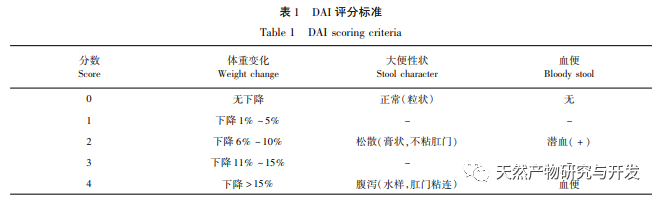
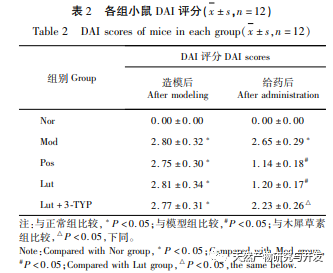
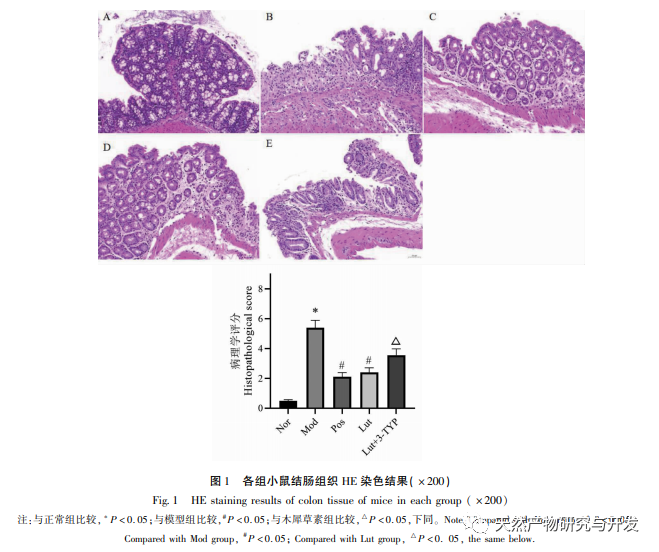
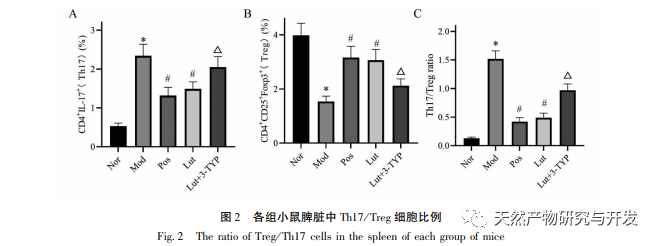
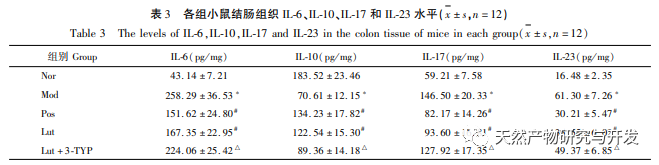
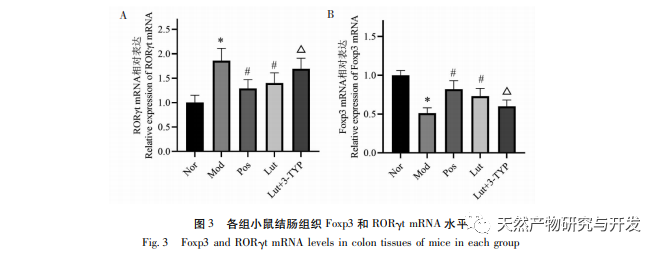
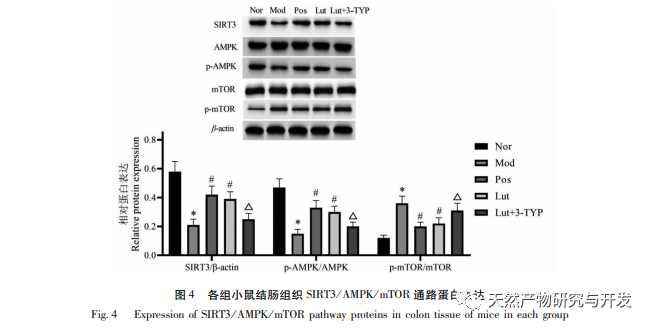 In recent years, traditional Chinese medicine has been widely used for the treatment of UC. An increasing number of studies indicate that traditional Chinese medicine plays an important role in regulating gut microbiota during the treatment of UC. Osmanthus fragrans is one of the most thoroughly studied bioflavonoids. Flavonoids are low toxicity natural compounds, and so far, their use has not been recorded with serious side effects, making them highly safe. In this study, the effect of magnolol on DSS induced UC was investigated in vivo. Our results indicate that magnolol has a significant effect on UC, which can be demonstrated by weight loss, DAI score, reduction of mucosal necrosis, and infiltration of inflammatory cells. This is consistent with early research, once again confirming the protective effect of magnolol on UC.
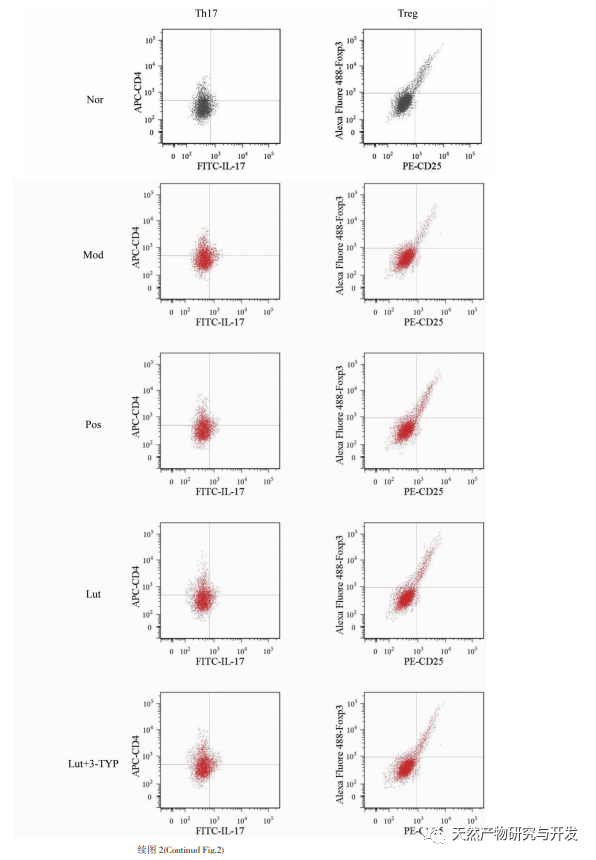
Previous studies have shown that luteolin can inhibit Th17 response in T cell-mediated autoimmune diseases; And it can exert anti-inflammatory effects by inducing CD4+CD25- to transform into Treg cells. There are also reports that luteolin can inhibit the production of pro-inflammatory cytokines such as TNF – α, IL-1 β, IL-6, and IL-17 in UC model mice; Osmanthus derivatives can exert in vivo protective effects in DSS induced UC models by reducing the levels of Th1, Th2, and Th17 cells. We further investigated the effect of magnolol on Th17/Treg balance, which is one of the important mechanisms underlying the progression of UC. In this study, we found a significant decrease in the percentage of Treg cells and a significant increase in the percentage of Th17 cells in splenic lymphocytes of UC mice. The Th17/Treg ratio in UC mice is severely imbalanced. The spleen is an important immune organ, and DSS can induce immune dysfunction in UC mice, leading to compensatory splenomegaly; And luteolin can reduce spleen index and alleviate DSS induced colitis in mice. This study further confirms the significant Th17/Treg imbalance in splenic lymphocytes of UC mice, which is consistent with human UC.
The differentiation process of Th17 cells is mediated by the transcriptional regulation of ROR γ t. Th17 cells produce pro-inflammatory cytokines, including IL-17, IL-21, IL-22, IL-23, and IL-25, which contribute to the progression of UC. The differentiation of Tregs is regulated by Foxp3, and mature Tregs express high levels of Foxp3. In addition, Tregs secrete inhibitory cytokines, including IL-10, IL-35, and TGF – β, which can suppress adaptive and innate immune responses. Research has shown that increased Th17 cells produce high levels of IL-17 and IL-23, thereby promoting inflammation. However, the differentiation of Treg is inhibited, leading to a decrease in immunosuppressive cytokines, including IL-10. Improving Th17/Treg imbalance can help rebuild intestinal immune homeostasis and reduce UC. This study showed that the anti-inflammatory cytokine IL-10 was increased and the pro-inflammatory cytokines IL-6, IL-17, and IL-23 were decreased in the luteolin group; Tip: The intervention of magnolol improved the Th17/Treg imbalance in DSS induced UC model, consistent with previous studies; In addition, further analysis showed that magnolol significantly downregulated ROR γ t and upregulated Foxp3 in UC mice. Due to the positive correlation between ROR γ t and Th17 cell differentiation, and the positive correlation between Foxp3 and Treg cell differentiation, our research results further demonstrate that magnolol contributes to the balance of Th17/Treg cell differentiation.
Th17/Treg cell differentiation is regulated by two main nutrient sensing pathways, AMPK and mTOR. SIRT3 is an effective deacetylase, which has been shown to activate the AMPK/mTOR pathway to promote autophagy, while SIRT3 deficiency can inhibit the AMPK/mTOR pathway. In this study, we observed that the levels of SIRT3 protein and p-AMPK/AMPK ratio in the colon tissue of UC mice were significantly lower than those of normal mice, while the p-mTOR/mTOR ratio was significantly higher than that of normal mice, indicating a deficiency of SIRT3 in UC mice and inhibition of AMPK activation. Osmanthus fragrans can regulate AMPK activity by modulating the expression of silencing regulatory proteins. Liu et al.’s study showed that magnolol can increase the transduction of SIRT3, activate the SIRT3/AMPK/mTOR pathway, and alleviate cerebral ischemic injury. Therefore, we speculate that the effect of magnolol on Th17/Treg balance in UC mice may be related to the SIRT3/AMPK/mTOR pathway. The Western blot results showed that magnolol can increase the level of SIRT3 protein in the colon tissue of UC mice, enhance the phosphorylation level of AMPK, and downregulate the phosphorylation level of mTOR, which confirms our hypothesis. 3-TYP is a selective inhibitor of SIRT3 and has been reported to inhibit SIRT3 expression. In this study, in order to further clarify the protective mechanism of magnolol on UC mice, we combined the intervention of magnolol with 3-TYP. The results showed that 3-TYP could significantly inhibit the activation of AMPK and significantly weaken the effect of magnolol on the differentiation balance of Th17/Treg cells in UC mice. Tip: Osmanthus extract may promote Th17/Treg balance in UC mice by activating the SIRT3/AMPK/mTOR pathway.
In summary, magnolol can improve the Th17/Treg imbalance in DSS induced UC mouse models, and its mechanism of action may be related to the activation of the SIRT3/AMPK/mTOR pathway. This study preliminarily explored the protective mechanism of magnolol on UC mice from the perspective of Th17/Treg balance, indicating that magnolol may be an effective candidate ingredient for treating intestinal inflammation, providing a promising treatment method for UC and providing direction for further research on the mechanism of magnolol improving UC. For example, the SIRT3/AMPK/mTOR pathway regulates autophagy, and whether the role of magnolol in UC is related to autophagy will be further explored in future research. In addition, animal experiments are a key link in preclinical research, and in future studies, in-depth analysis of the toxicity and safety of magnolol will be conducted, laying the foundation for promoting preclinical research and achieving clinical translation of drugs.
 English
  Danish
  German
  Hungarian
  French
  Russian
  Spanish
  Turkish