
Exploring the Differences in Amino Acid Content and Potential Mechanisms of Anti Osteoporosis in Turtle Shell Adhesive from Different Manufacturers Based on UHPLC-QTRAP-MS/MS Combined with Network Pharmacology
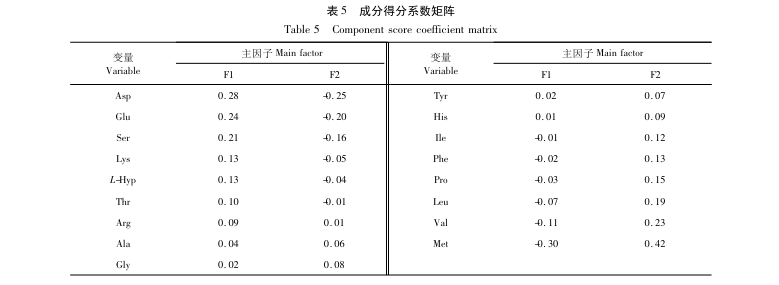
Testudinis Carapacis et Plasti Colla (TCPC) is a traditional Chinese nourishing medicine, which is a solid gel made by boiling and concentrating the turtle shell of the turtle family animal Chinemys reevesii (Gray) in water. It was first recorded in the “Compendium of Materia Medica”. It has a cool nature, a salty and sweet taste, and is suitable for the liver, kidney, and heart meridians. It is commonly used in the treatment of osteoporosis in clinical practice. Classic formulas mainly composed of turtle shell glue, such as the Guilu Erxian series formula, Zuogui Wan, Huqian Wan, etc., have significant effects in nourishing essence, filling marrow, strengthening tendons and bones. Turtle shell glue is rich in collagen, keratin, and free amino acids. The amino acids obtained from protein hydrolysis are the main active ingredients in turtle shell glue that are ultimately absorbed and utilized by the human body. In traditional Chinese medicine diagnosis and treatment, osteoporosis is mostly classified as “bone obstruction”, “bone necrosis”, and “bone fistula”. The “Essential Prescriptions for Urgent Care” states: “For those with extreme bone conditions… they may experience pain in their hands and feet, inability to stand for a long time, and difficulty in bending and stretching, which can lead to body obstruction, brain and spinal cord dysfunction. The kidney stores essence and controls bone marrow production. If insufficient, the marrow will decrease and the bone will atrophy. The loss of bone marrow will lead to increased bone fragility and osteoporosis. Modern research has shown that turtle shell glue and its classic formulas have good activities in bone health, immune enhancement, anti-tumor, and other aspects. Glycine and proline in turtle shell glue can serve as potential biomarkers for diagnosing postmenopausal osteoporosis. Amino acids themselves are signaling molecules and can also synergistically activate calcium sensitive receptors with calcium ions, increase bone density, promote osteoblast differentiation, and enhance bone calcification. To explore the differences in amino acid content of turtle shell glue from different manufacturers, this study selected 15 batches of turtle shell glue samples from 4 different manufacturers. Liquid chromatography-mass spectrometry was used to determine 17 amino acids after acid hydrolysis of turtle shell glue. Multivariate statistics were used to compare the composition differences of hydrolyzed amino acid components in turtle shell glue from different manufacturers, providing reference for quality control of turtle shell glue. And combined with network pharmacology to analyze the amino acid components in turtle shell glue, providing a basis for further predicting the main active ingredients and targets of turtle shell glue in anti osteoporosis.




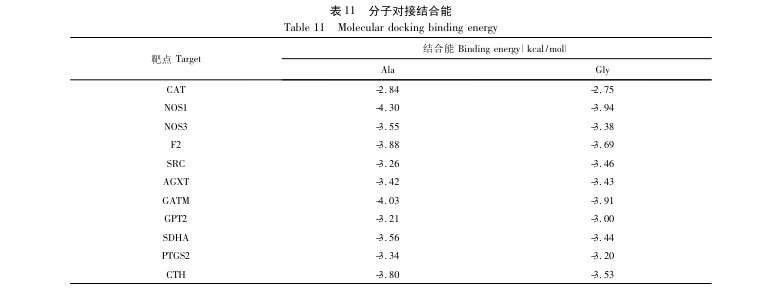
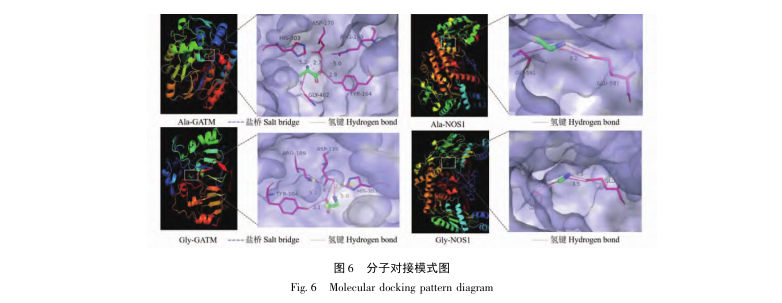 The overall amino acid content of hydrolyzed turtle shell glue from various manufacturers and batches in this article is lower than the pharmacopoeia level. The reason for this may be related not only to the quality of the sample itself, but also to the testing method. We use liquid chromatography-mass spectrometry to detect the characteristic ion pairs of hydrolyzed amino acids, which have high sensitivity and specificity; The HPLC method used in pharmacopoeia detects the absorbance signals of characteristic functional groups of compounds, making it difficult to distinguish compounds with similar structures. The liquid chromatography-mass spectrometry (LC-MS) method is more accurate and can eliminate the interference of non-specific components, so the content of hydrolyzed amino acids may be lower than that in the pharmacopoeia. The results of network pharmacology show that the key components of turtle shell glue in treating osteoporosis are Ala and Gly. Ala can help with the metabolism of sugars and organic acids, and improve postmenopausal osteoporosis. Gly is directly related to the risk of fractures in men, and mutations in collagen can cause osteogenesis imperfecta. The key targets for treating osteoporosis with turtle shell glue include CAT, NOS1, NOS3, F2, etc. Catalase (CAT) can increase bone density and bone mineral content in mice by inhibiting oxidative stress; Neuronal nitric oxide synthase (NOS1) is associated with bone healing and is mainly expressed in the fibrocartilage region between fibrous tissue and callus; Endothelial nitric oxide synthase (NOS3) is also associated with bone healing and is mainly expressed in chondrocytes and perivascular cells; Prothrombin is a specific agonist in osteoblasts that can stimulate bone resorption in organ culture. The KEGG and GO enrichment analysis results suggest that turtle shell gum may be involved in a series of biological functions such as vitamin binding, pyridoxal phosphate binding, organic acid binding, and amino acid synthesis metabolism in bone cells; It works by affecting signaling pathways such as insulin signaling, calcium signaling, cyclic guanosine monophosphate protein kinase G (cGMP PKG) signaling, carbon metabolism, and amino acid synthesis. The insulin signaling pathway can stimulate skeletal muscles to uptake 80% of the body’s glucose; The cGMP PKG signaling pathway can regulate bone formation and promote osteoblast mineralization and maturation, exhibiting bidirectional and complex regulation of osteogenesis.
In summary, this article uses UHPLC-QTRAP-MS/MS combined with multivariate statistical analysis to find that among the four manufacturers, A manufacturer has stable quality of turtle shell adhesive and high content of hydrolyzed amino acids; Turtle shell glue may regulate 68 core targets of osteoporosis, including CAT, NOS1, NOS3, etc., through components such as alanine and glycine, thereby affecting 212 signaling pathways such as amino acid synthesis, arginine and proline metabolism, and carbon metabolism to exert therapeutic effects on osteoporosis.

 English
 Danish
 German
 Hungarian
 French
 Russian
 Spanish
 Turkish