
Research progress on the influence of processing on the chemical composition of Tianma
Gastrodia elata is a perennial herbaceous plant of the Orchidaceae family, which is known for its dried tubers. It has the effects of relieving wind and spasms, calming liver yang, dispelling wind and promoting blood circulation. It is often used as a traditional Chinese medicine and herbal tea to treat symptoms such as convulsions, headaches, dizziness, vertigo, and insomnia. Modern pharmacological research has found that Tianma extract or its characteristic components can effectively exert sedative hypnotic, analgesic, anticonvulsant, anti-inflammatory, antioxidant, antidepressant, memory improvement, blood pressure lowering, anticoagulant and other effects in various animal/cell models, even in normal subjects and patients. This may be related to its regulation of oxidative stress, central nervous system, cardiovascular, immune and metabolic systems. Tianma contains abundant phenolic substances such as gastrodin (GAS), p-hydroxybenzylcohol (HBA), p-hydroxybenzaldehyde (HB), and palishins (P), which are also the main active ingredients and quality indicators of Tianma. Gastrodia elata is mainly produced in Yunnan, Guizhou, Sichuan, Xizang, Shaanxi, Chongqing, Anhui, etc. The relevant research mainly focuses on the pharmacological components and effects of Gastrodia elata, especially the research on gastrodin, balison glycosides and gastrodia elata polysaccharide is relatively common, but the research on the nutritional components, storage and processing of Gastrodia elata is still lacking, which seriously restricts the development of the industry of Gastrodia elata.
A large number of literatures show that the content of effective ingredients, biological activity and quality of gastrodia elata mainly depend on such factors as varieties, cultivation regions and processing methods of gastrodia elata, among which processing is considered to be the most critical factor affecting its quality and efficacy. Traditional gastrodia elata needs to be solidified before drying to increase its active ingredients and efficacy. Proper processing can transform the raw materials of gastrodia elata elata into drugs and Tonic Diet suitable for its ingredients and functions, so as to achieve the purpose of enhancing efficiency and reducing toxicity. At the same time, considering the influence of food chemical composition (nutritional and functional components) and microstructure on its quality and efficacy, there is currently no systematic literature summarizing the relevant research on the nutritional and functional components of Tianma processed in the past 5 years, as well as the microstructure of Tianma slices. Therefore, based on the review of China’s current pilot policies for material management of Tianma, which is both a food and a traditional Chinese medicine, this article focuses on the common processing methods and the latest processing technologies in the past five years. It analyzes the recent domestic and foreign research on Tianma from different perspectives, such as the main nutritional components, functional components, and microstructure of Tianma slices. By analyzing the relationship between Tianma components and Tianma processing, it aims to reveal the scientific connotation of Tianma processing; Finally, the current status and trends of Tianma utilization were summarized, aiming to provide a basis and reference for the research and development of Tianma products.
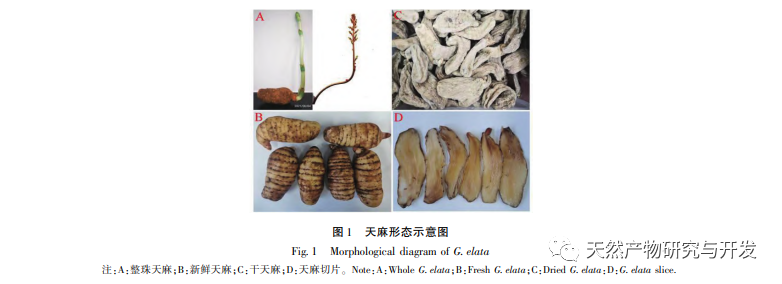
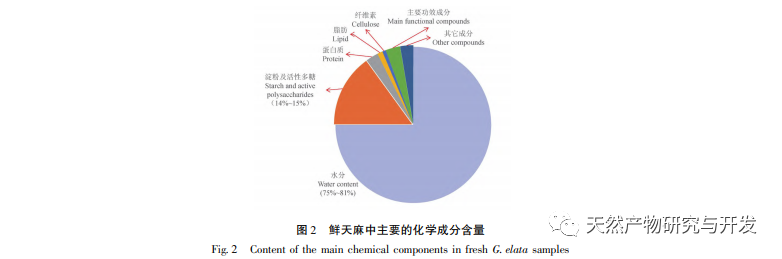
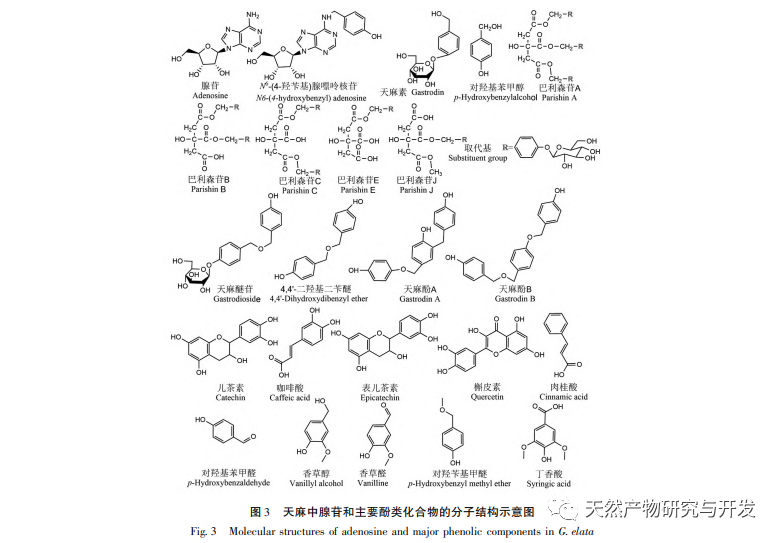
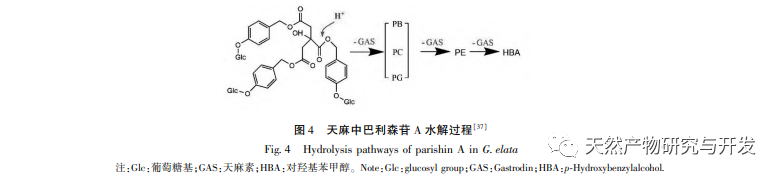
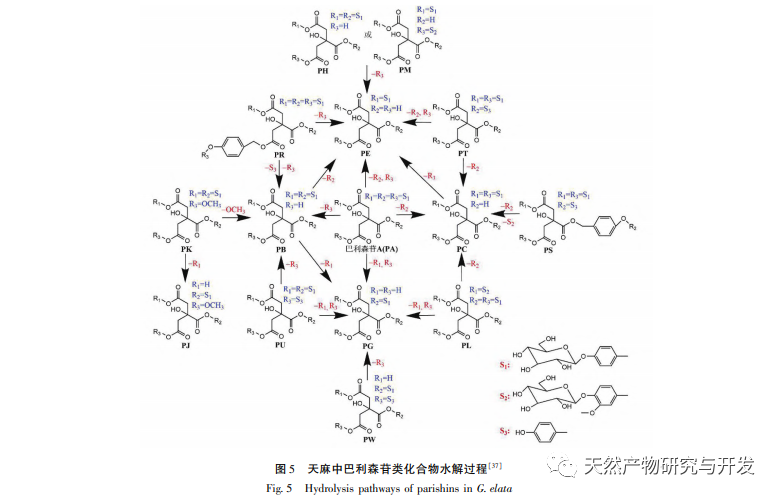
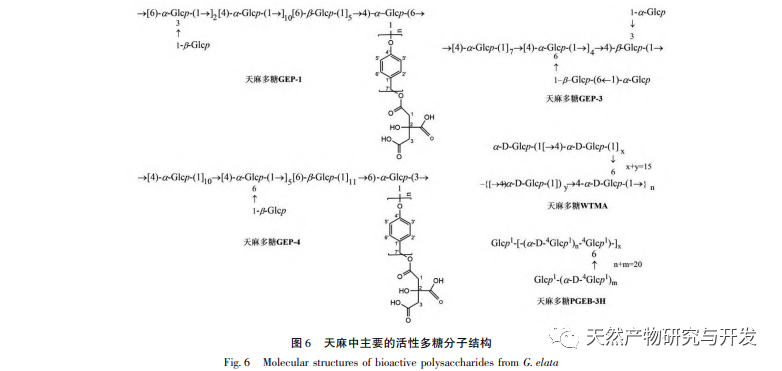
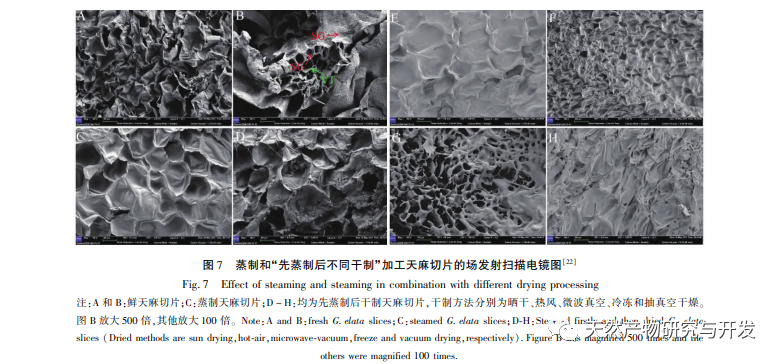 At present, a large number of scholars have analyzed and summarized the research on Tianma from different perspectives. For example, Wy et al. analyzed the research progress of Tianma sample pretreatment methods, analysis techniques, absorption, distribution, and metabolism from the perspective of pharmacokinetics. Zhu et al. summarized the research situation of Tianma active polysaccharides in detail from the perspective of pharmacology. Liu et al. summarized the research progress of Tianma from the perspectives of Tianma component analysis, Tianma cultivation, and molecular biology. Snan et al. sorted out the development history of Tianma in detail from the perspective of medical herbal medicine. Guo et al. analyzed the development status of Tianma health food from the perspectives of Tianma related health food (approved registration) and authorized patents. They not only provided decision-making basis for the comprehensive utilization of Tianma, but also for… The subsequent development of Tianma laid the foundation.
The research of Gastrodia elata focuses on the traditional processing technology, processing parameters, chemical composition, efficacy changes, and the application of drugs and Tonic Diet. Due to the gradual maturity of artificial cultivation technology for Tianma, the net income from planting is relatively high, and its yield will rapidly increase in the future; However, its consumption as a decoction piece is limited, and the proportion of direct medicinal use is slightly lower. It is still mainly consumed fresh (as a dish), dried and powdered for consumption, and roughly processed. Moreover, the form of Tianma products is single and its efficacy value is not highlighted; More importantly, the lack of deep processing technology and high-value products for Tianma seriously hinders the scale and sustainable development of the Tianma industry. Therefore, it is still necessary to conduct in-depth research from a multidisciplinary perspective on the impact mechanism of processing on the composition, efficacy, and quality of Tianma, in order to lay the foundation for its subsequent application. Firstly, considering the abundance of nutrients and functional components in Tianma, the complexity of its composition, difficulty in controlling its quality, and difficulty in exploring its influencing mechanisms, most studies only focus on the effective monomer components and their interactions. The potential synergistic or antagonistic effects of Tianma multi-component mixtures need to be studied, and the glycosylation of Tianma phenolic functional components and their impact on their function and quality also require in-depth research; Second, the research focuses on the effects of various food processing technologies and storage conditions on the processing adaptability and quality of Gastrodia elata, laying the foundation for its Tonic Diet product development; Thirdly, research the hierarchical extraction technology of various components of Tianma, develop extract products, and achieve innovative utilization of Tianma extract; Fourthly, evaluate and identify the safety and potential risk factors of Tianma processing, while clarifying the consumption amount, scientific consumption methods, and product forms of Tianma, in order to correct unpleasant odors (such as gamey and bitter flavors), improve product quality and safety, and ultimately achieve quality and efficiency improvement. In the face of the requirements of “inheriting the essence, preserving integrity and innovation” of traditional Chinese medicine, we will carry out in-depth research on the impact of modern processing technology on the chemical composition of gastrodia elata (and the related microstructure of gastrodia elata), reveal the material basis of the efficacy of processing changes and clarify its influencing factors, which will lay the foundation for the utilization of gastrodia elata and the development of its functional products.
In short, studying the effects of processing on the composition and structure of Tianma can reveal the scientific connotation of traditional processed Tianma. On the basis of sorting out the current pilot policy of gastrodia elata medicine and food homology in China, this paper summarized the research status of the latest processing methods in the past five years, and from the perspective of the impact of processing on the nutritional components, functional components and microstructure of gastrodia elata slices, analyzed the correlation between processing methods and these three in detail, to a certain extent, summarized the scientific connotation of modern gastrodia elata processing, hoping that this paper could provide a basis and reference for the efficient application of gastrodia elata medicine and Tonic Diet, as well as their quality and efficiency improvement, and also provide a reference for the inheritance and innovation of gastrodia elata.
 English
  Danish
  German
  Hungarian
  French
  Russian
  Spanish
  Turkish