
Study on the components, antibacterial activity, and cytotoxicity of three volatile oils from thyme on human liver cancer cells
Thyme is a small semi shrub of the Lamiaceae family, widely distributed in Inner Mongolia, Heilongjiang and other regions. Thyme volatile oil is a unique volatile substance of thyme, and its content varies depending on the growth environment and type. It is mostly composed of terpenes and aromatic compounds, with thymol and carvacrol having the highest content. Thyme volatile oil is widely used in food additives and beauty and skincare products due to its excellent antioxidant properties. It also has strong inhibitory effects on pathogenic bacteria such as Streptococcus pneumoniae, Staphylococcus aureus, Candida albicans, and Salmonella typhimurium. Therefore, it has attracted considerable attention in the field of medicine. Although there have been many literature reports on the mechanism of plant volatile oil inducing cancer cell apoptosis, there are few research reports on the volatile oil of Thyme plants, and there are few reports on how it leads to cancer cell necrosis and apoptosis, as well as a lack of systematic research.
This study used Thymus citriodorus, Thymus mongolicus, and Thymus vulgaris as materials to extract three volatile oils from thyme using steam distillation. Combined with gas chromatography-mass spectrometry (GC-MS) analysis of their chemical components, the antibacterial effect and toxicity to liver cancer cells were studied, providing more basic theoretical basis for further comprehensive development of thyme volatile oils.
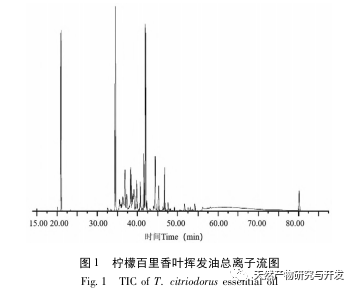
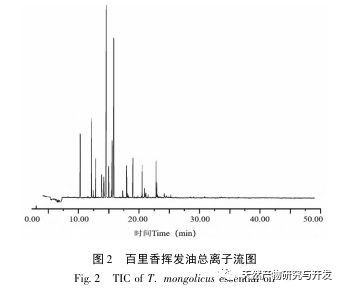
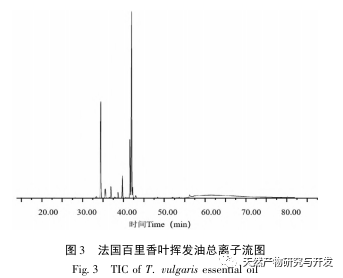
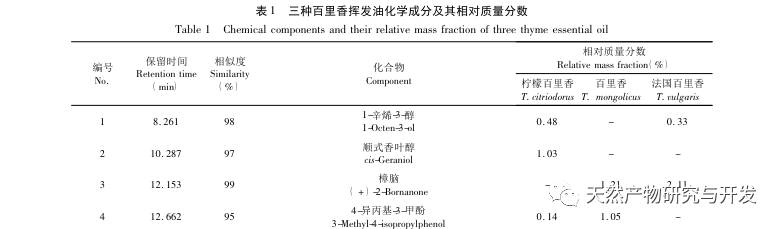
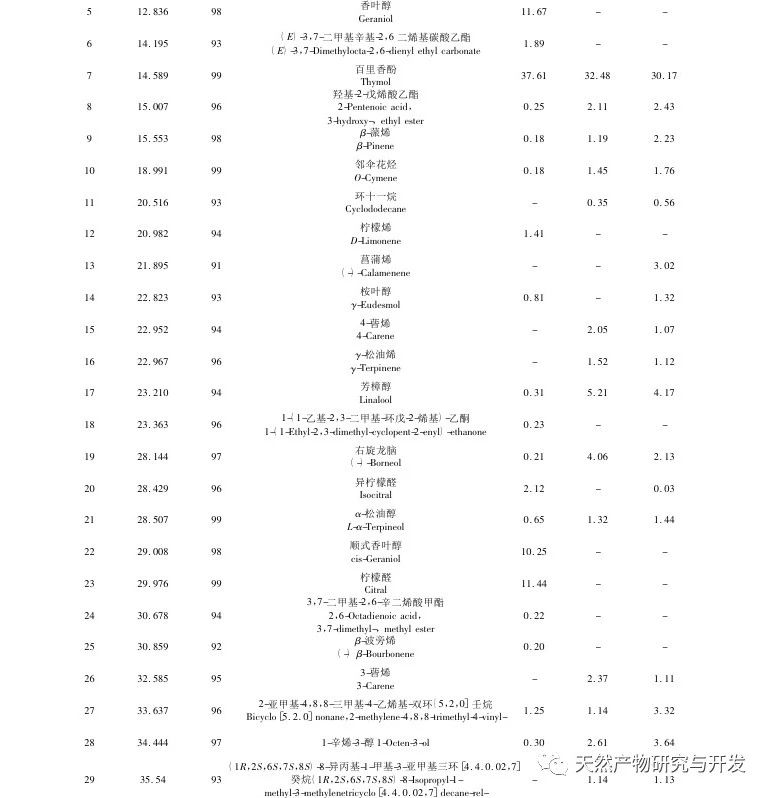
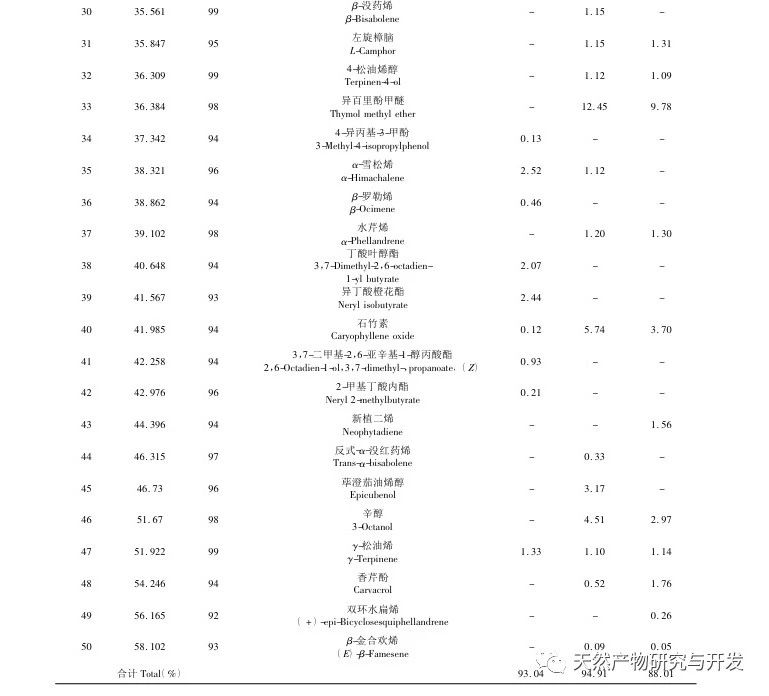
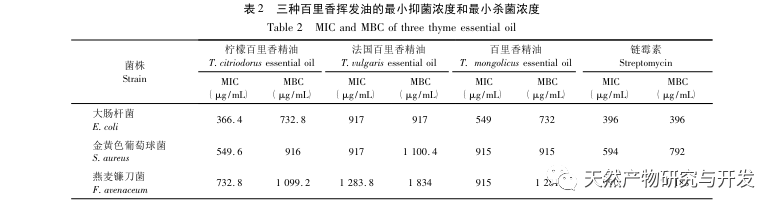
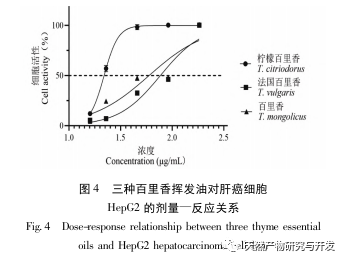
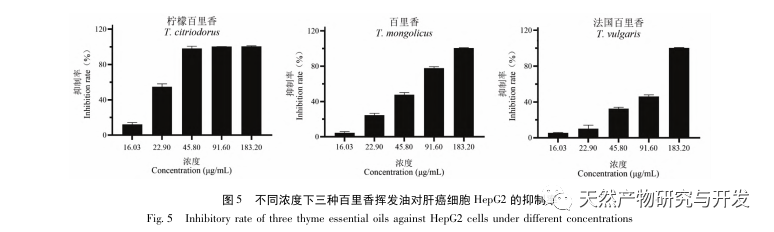
Extracting plant volatile oils from aromatic plants is an effective alternative to chemical fungicides and cancer suppressants due to its relatively safe, low toxicity, easy degradation, and environmentally friendly characteristics. The composition of volatile oils varies among different medicinal plants, generally containing various terpenoids, aromatic compounds, aliphatic compounds, and nitrogen-containing and sulfur-containing compounds. At present, there is limited research on the anti-tumor effects of the active ingredients in thyme volatile oil. This study used traditional steam distillation to obtain three types of thyme volatile oil, and analyzed their differences in composition through GC-MS. The most obvious one was that lemon thyme volatile oil contained two compounds, citral and isocitral, while the other two volatile oils did not contain these two substances. The experiment used three types of thyme volatile oil to treat different plant pathogens and found that they exhibited different abilities in antibacterial activity. Among them, lemon thyme volatile oil had the best antibacterial effect, especially on Escherichia coli. In contrast, the antibacterial ability of French thyme volatile oil is weaker, followed by thyme volatile oil. The experiment also analyzed its effects on the proliferation and apoptosis of liver cancer cell lines using CCK-8 method. The results showed that three types of thyme volatile oils could significantly inhibit the proliferation of liver cancer cell HepG2 and induce its apoptosis, which has certain research potential in the development of anti-tumor drugs. This antibacterial and anticancer function is closely related to the composition of volatile oils in the thyme genus. Thymol, which has the highest content, not only has significant therapeutic effects on plant fungi, dermatophytes, and human inflammation, but also shows good anti-tumor pharmacological activity. For example, thymol can induce apoptosis in liver cancer cells, prostate cancer cells, and gastric cancer cells from mitogen activated protein kinase (MAPK), extracellular regulated protein kinase (ERK), and apoptotic gene Bax, and exert anticancer effects by reducing mitochondrial transmembrane induction of ROS, enhancing Caspase expression, and downregulating Bcl-2 expression. In addition, citral can induce apoptosis of leukemia cells by inducing oxidative stress reaction, increasing the level of intracellular malondialdehyde, reducing reduced glutathione, and inducing apoptosis of leukemia cells. It can also inhibit the proliferation of lymphoma cells by up regulating the expression of pro apoptotic protein BAK and down regulating the expression of anti apoptotic protein Bcl xL, and block the cell cycle to inhibit the proliferation of breast cancer cells. Zhao et al. used lavender essential oil to inhibit the growth of human liver cancer cell line HepG2. The results showed that lavender essential oil could significantly inhibit the proliferation of HepG2 cells in a concentration dependent manner. After treatment, different concentrations of lavender essential oil showed significant apoptosis and necrosis in HepG2 cells. Jia et al. found that limonene can increase the content of Bax and cytochrome, reduce the expression of Bcl-2, and induce apoptosis in human colon cancer cell line LS174T; Jaganathan et al. confirmed that phenol can induce apoptosis in colon cancer cells by activating p53 and Caspase-3.
Natural plant volatile oils are a highly potential biological resource. With the deepening of research on the volatile oils of thyme plants, more possibilities will be provided for clinical medicine, pharmaceutical care, and food safety, opening up new avenues for the development of new natural antioxidants and anti-tumor drugs.
 English
  Danish
  German
  Hungarian
  French
  Russian
  Spanish
  Turkish