
Comparative Study of Red Osmanthus Rubbing and Non Rubbing Samples Based on Character Microscopic Fingerprint Atlas
Hedysari Radix, also known as Dugen, Heiqi, and Mianqi, is one of the main characteristic medicinal herbs produced in Gansu Province. It is derived from Hedysarum polybotrys Hand, a plant of the genus Hedysarum in the legume family- Dry roots of Mazz. The commodity Hongqi is mainly cultivated and distributed in Longnan and Dingxi areas of Gansu Province. Among them, Hongqi produced in the Micangshan area of Wudu enjoys the reputation of “Micangshan Hongqi”. Origin processing is an important link in the formation of comprehensive quality of medicinal materials, and its history can be traced back to the Eastern Han Dynasty. The Pharmacopoeia of the People’s Republic of China (hereinafter referred to as the “Chinese Pharmacopoeia”) stipulates that the processing method of Hongqi is to “pick and dig in spring and autumn, remove the fibrous roots and root heads, and dry it in the sun”. With the emergence of the hometown of Hongqi in China and the development of Hongqi industry, Wudu and other local real estate areas have formed a unique and relatively systematic production processing method and technology system. After field research, the processing method for the production area of Hongqi medicinal herb is as follows: digging in spring and autumn, removing soil, removing roots and tips, sun drying until half dry, and when the fresh skin is soft, bundling it into small handles and rubbing it 2-3 times to make the skin tightly adhered and straight. Rub while sun drying, and accumulate and sweat at night until completely dry. Compared with the processing methods described in the Chinese Pharmacopoeia, the “kneading” step has been added, and kneading is the key step for Hongqi to become “bundle Huangqi”. By “rubbing strips”, not only does it timely eliminate the moisture in fresh red astragalus medicinal materials, prevent the occurrence of texture looseness and bubbles, but it also makes the medicinal materials compact, oily, and soft, ensuring the quality of the medicinal materials. Therefore, explaining the scientific connotation of processing red astragalus sticks has practical significance for the transformation and application of authentic characteristics.
Through literature review and field investigation, it was found that Chinese medicinal materials processed by kneading or rolling include Hongqi, Mongolian Astragalus, Baitiao Codonopsis, Su Hua Codonopsis, Chuan Codonopsis, Baxian Codonopsis, Luo Codonopsis, Fang Dang, Lu Codonopsis, Sanqi, Guangshan Medicine, etc. This indicates that the medicinal materials that need to be “kneaded” have a certain universality, and analyzing the scientific connotation of kneading and processing Hongqi and other medicinal materials is the key issue in their quality control. The processing of Hongqi in its place of origin has the characteristic of combining two unique processes: rubbing and sweating. The processing process needs to repeat both processes until the processing is complete. The scientific issues involve mechanics, temperature, etc. In order to control experimental variables and study the impact of processing in the place of origin on the quality of Hongqi, the rubbing process was given priority in the experimental design. To this end, methods such as trait description, scanning electron microscopy, microscopic identification, and fingerprint analysis were used to compare the differences between kneaded and unrolled samples of red astragalus, and to study the relationship between kneaded and red astragalus quality, providing scientific support for explaining the scientific connotation of red astragalus kneaded processing.
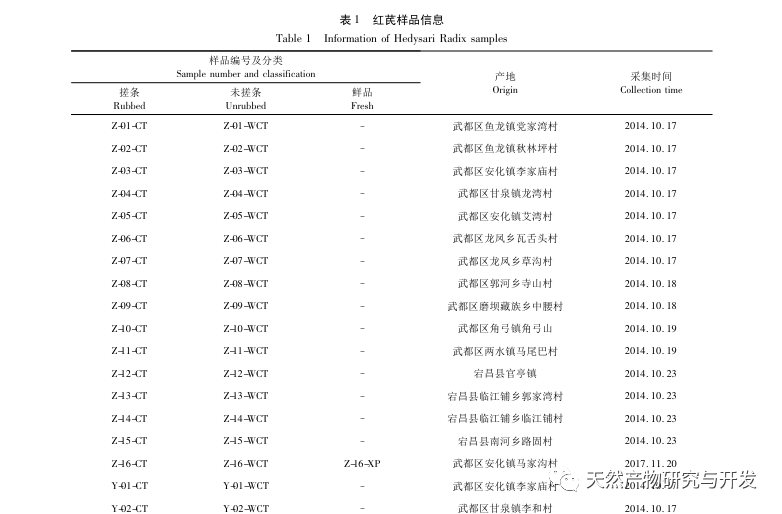
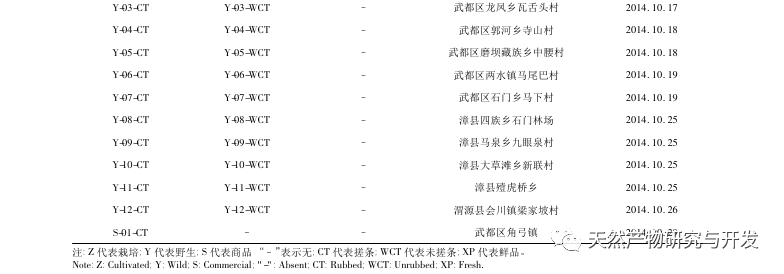
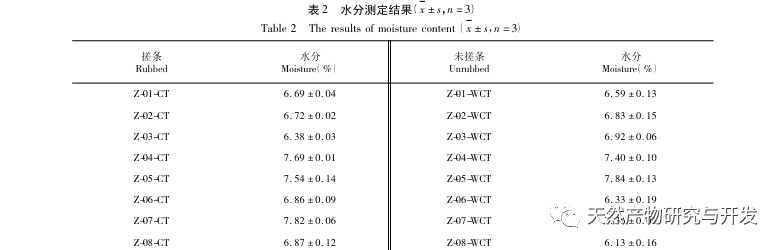
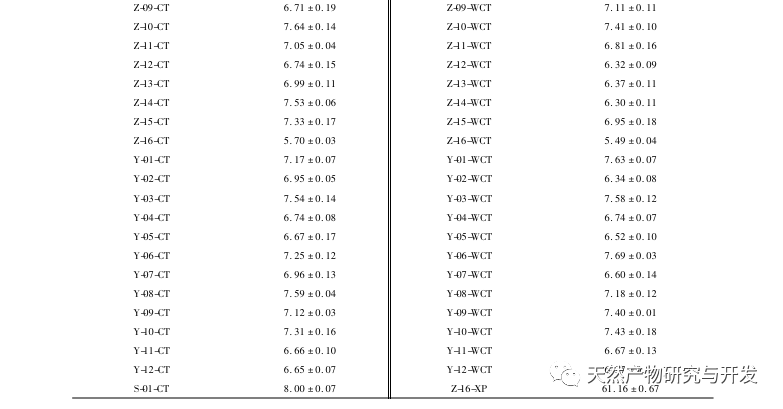
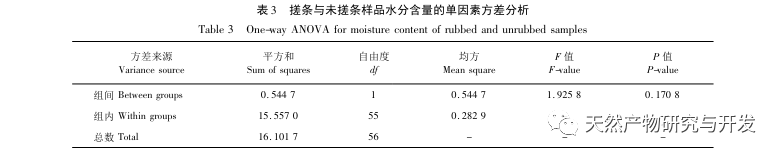
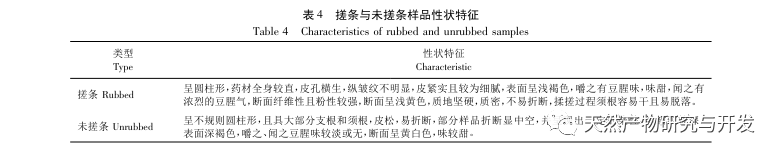
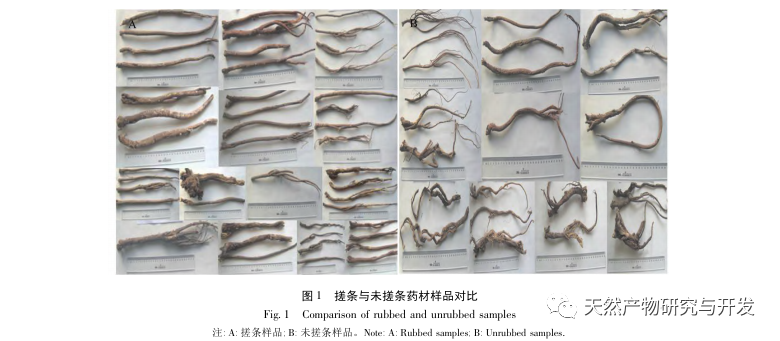
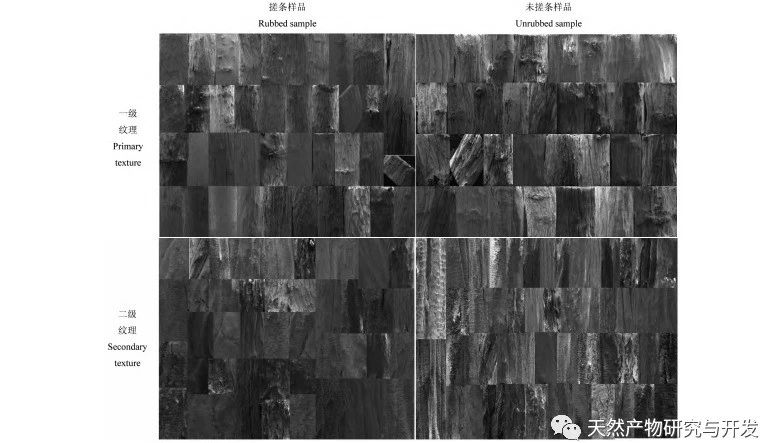
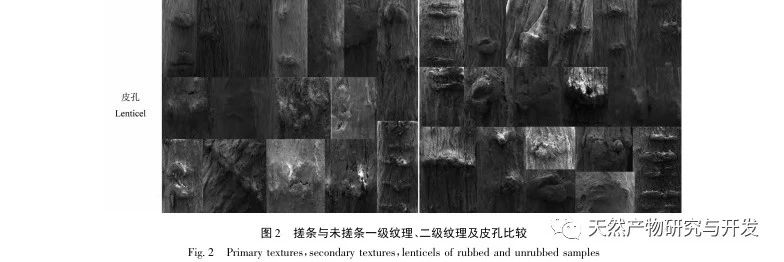
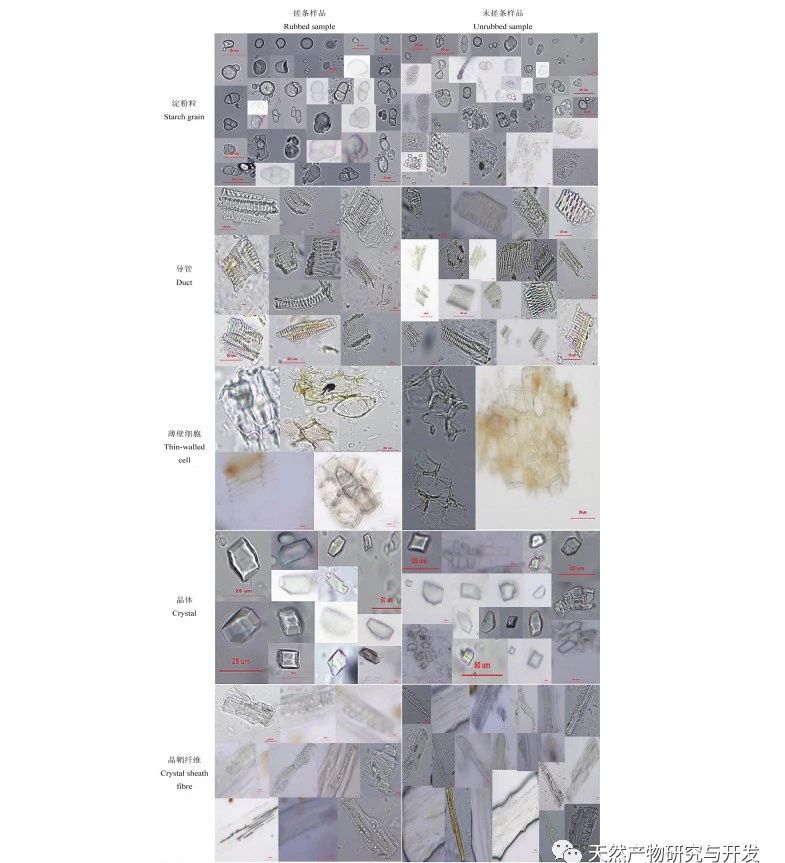
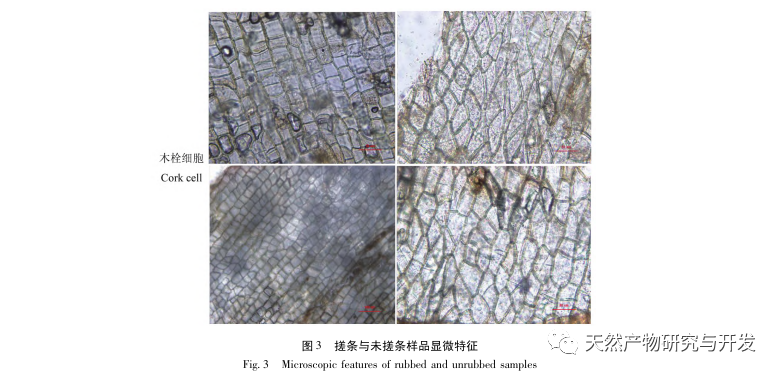
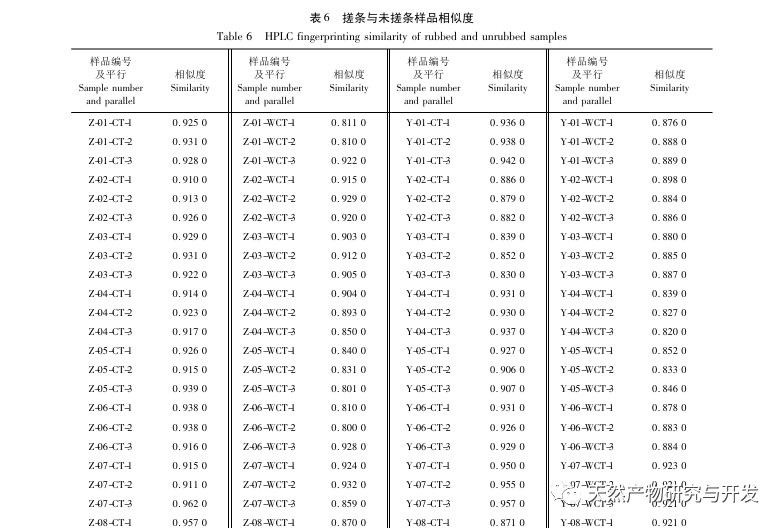
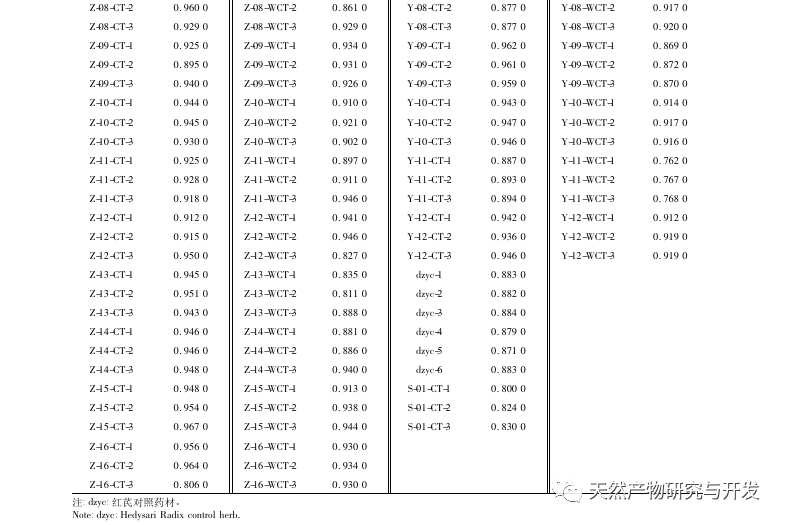
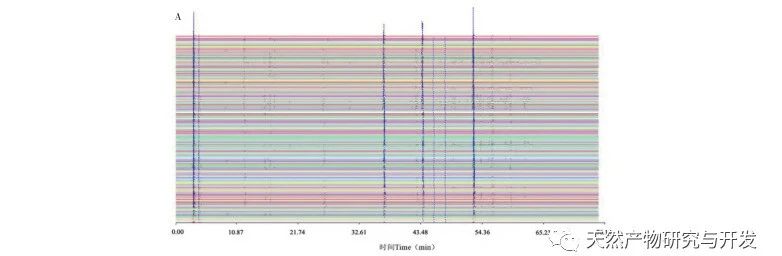
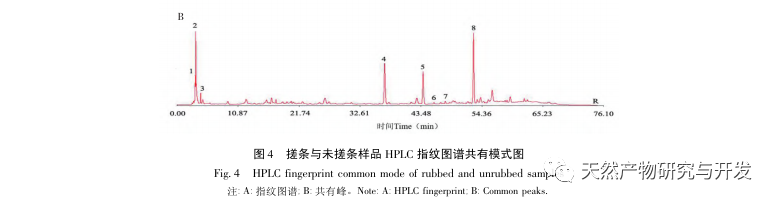
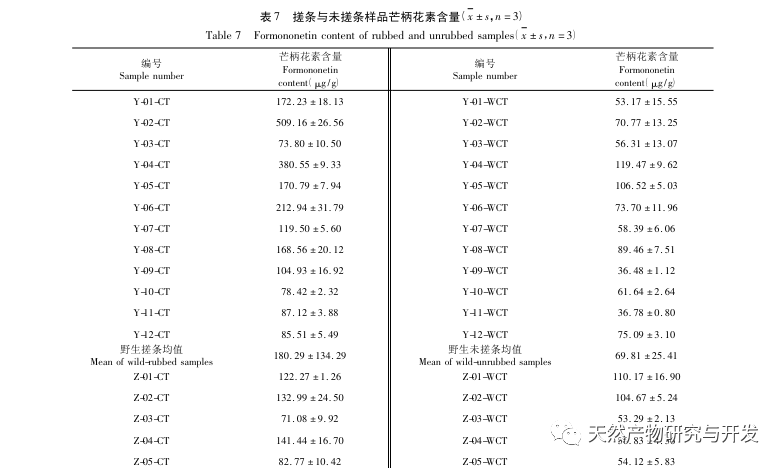
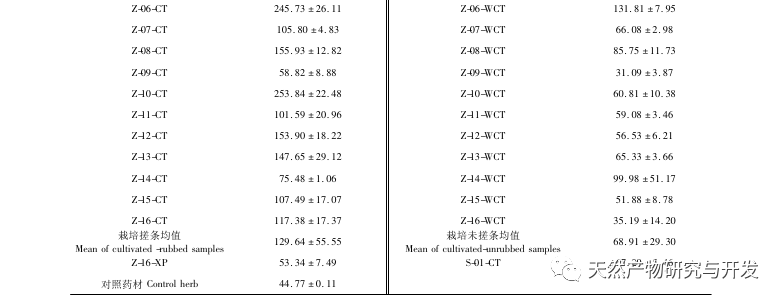
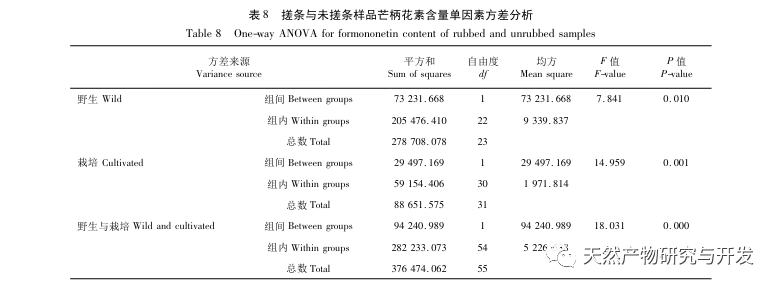 Through identification studies, it has been found that the rolled sample is cylindrical in shape, with a tight and delicate skin, a light brown surface, a bean like odor when chewed, a sweet taste, and a strong bean like odor when smelled. The cross-section is fibrous and powdery, with a hard and dense texture that is not easily broken. The fibrous roots are easy to dry and fall off during the rolling process, and the primary texture is relatively delicate. The surface of the medicinal material has small and shallow grooves, and most of the skin pores are flat. There are more single grain starch and compound grain starch, and the morphology is more obvious. The arrangement of cork cells is relatively neat, and the cell morphology is mostly rectangular; Unrolled samples have irregular cylindrical shapes with branches, pine bark, and are easy to break. Some samples show hollow characteristics after breaking, and exhibit a certain degree of wood like texture. The longitudinal wrinkles are deep, the surface is dark brown, and the bean smell is light or absent when chewed or smelled. The primary texture is rough, and the grooves are large and deep. Most of the skin holes of the unrolled samples protrude from the surface of the medicinal material, and the starch granules are mostly clustered together. There are few single and complex starch granules, and the cork cells are arranged in an irregular state. The cell morphology is irregular. The differences in secondary texture, ducts, thin-walled cells, crystals (square crystals), and crystal sheath fibers between the rolled and unrolled samples are small or cannot be characterized under these conditions. In terms of fingerprint spectra and the content of mangiferin, there is a certain difference in the similarity between the rubbed and unrolled samples of red astragalus. The average similarity of the rubbed samples is higher than that of the unrolled samples, and there is a significant difference in the content of mangiferin between the rubbed and unrolled samples. The content of mangiferin in the rubbed samples is higher than that of the unrolled samples. The average content of mangiferin in the wild rubbed samples is 2.58 times that of the unrolled samples, and the average content of mangiferin in the cultivated rubbed samples is 1.87 times that of the unrolled samples. The above studies indicate that there are certain differences in the morphological characteristics, primary texture and pores, starch granules, cork cells, fingerprint similarity, and mangiferin content between the rolled and unrolled samples, and that the content of mangiferin increases after rolling with Hongqi.
Through field investigation and observation of the experimental process, it was found that kneading processing is not only a key step in ensuring quality, but also involves important links such as the “staged variable temperature drying (kneading while drying)” process of the traditional Chinese medicine Hongqi, which has physical characteristics such as friction and force. The active ingredients of traditional Chinese medicine generally have thermosensitive and easily oxidizable properties. The kneading and drying process is affected by temperature, which can easily cause changes in appearance, active ingredients, and biological activity. Their physical properties (color, odor, morphology, volume, microstructure) and chemical properties (polysaccharides, flavonoids, other components) change. Therefore, the kneading and drying process is accompanied by the occurrence of phenomena such as water reduction, energy conversion, and chemical changes in the medicinal materials. The process of moisture reduction to the pharmacopoeia specified value in Chinese medicine, such as Hongqi, after harvesting is a “slow metabolism” process. As the kneading and drying process progresses, the impact of kneading and drying on the moisture content of traditional Chinese medicine will break the dynamic balance of the internal chemical composition and molecular structure of traditional Chinese medicine. Causing changes in its morphology, microstructure, and active ingredients. After the water content drops to a certain level (after kneading and drying), traditional Chinese medicine as a complex whole is in a static equilibrium process. After processing into Chinese herbal medicine slices, the balance of the herbs is transferred from one equilibrium to another, or some herbs maintain the balance of the original herbs. This may be similar to the process of energy and chemical changes in the decoction of traditional Chinese medicine after compatibility, which forms a new equilibrium system after decoction. In addition, the kneading process in the production area of Hongqi mainly relies on manual kneading, so the development of kneading mechanism and “kneading machine” is one of the important directions for future research.
In terms of kneading mechanism, kneading serves as a mechanical force or mechanical stimulus that applies mechanical signals to the surface of slow-moving medicinal herbs and transmits the mechanical signals to the interior of the herbs (surface to interior, extracellular to intracellular), causing changes in their properties, microscopic characteristics, and chemical composition. The possible reason for the changes in chemical composition may be due to the conversion of mangiferin or flavonoid components contained in Hongqi medicinal herbs into mangiferin during the kneading process. The mechanism may be related to the following hypothesis: (1) Mechanical signals affect plant cell walls and other tissue structures, transducing extracellular stimuli into intracellular signals, causing changes in tissue structure or secondary metabolites. (2) Mechanical signals affect mechanosensitive ion channels or mechanosensitive proteins in plants. The “molecular or structural” perception or mechanical signals of sensory mechanical signals in Hongqi medicinal materials are transmitted through the neurotransmitters of sensory mechanical signals in plants, causing the opening and closing of mechanosensitive channels. Small molecule substances exchange or transform with each other, ultimately leading to changes in secondary metabolites. (3) Mechanical signals stimulate the electrical signals in the medicinal herb Hongqi. Phytoelectric signals widely exist in plants, which have fast response and conduction speed. After being stimulated, medicinal materials regulate the physiological response of Hongqi in the shortest possible time. Intermittent mechanical signals may cause changes in electrical signals in traditional Chinese medicine, leading to physiological responses and changes in tissue structure or secondary metabolites. (4) After the mechanical force of kneading is applied to medicinal herbs, it produces changes similar to “mechanochemistry” (mechanochemistry: in a narrow sense, it refers to chemical reactions caused by the action of mechanical force on solid substances, and in a broad sense, it refers to all chemical phenomena caused by mechanical force), which may produce thermal or non thermal unique effects (such as the generation of plasma like substances and the influence of chemical bonds in molecules) or mechanical signals. As a mechanical energy, it is converted into chemical energy through some device in the plant body, causing changes in the tissue structure and secondary metabolites of medicinal herbs. (5) The mechanical force of kneading applied to medicinal herbs produces a biomechanical effect. The mechanical signals generated after kneading medicinal herbs are transmitted to the cell nucleus, causing the expression or silencing of related genes. During the kneading process, the force induces the expression or silencing of key enzyme genes (such as isoflavone synthase genes) in the phenylalanine pathway, leading to changes in the content of secondary metabolites. The results of this study showed that the mean content of mangiferin in wild rolled samples was 2.58 times higher than that in non rolled samples after rolling, and the mean content of mangiferin in cultivated rolled samples was 1.87 times higher than that in non rolled samples. The possible reason is that during the rolling process, the medicinal materials are stimulated by mechanical force from fresh to dry, and the mechanical force is transmitted, causing the expression or silencing of key isoflavone synthase genes, phenylalanine deaminase genes, cinnamic acid hydroxylase genes, coumarin CoA ligase genes, chalcone synthase genes in the mangiferin synthesis pathway, leading to the expression or silencing of key isoflavone synthase genes, phenylalanine deaminase genes, cinnamic acid hydroxylase genes in the mangiferin synthesis pathway. The expression or silencing of enzyme genes, coumaric acid CoA ligase genes, chalcone synthase genes, etc., leads to an increase in the content of mangiferin, The specific mechanism needs further in-depth research.
In summary, we have established a three-dimensional characterization system based on macroscopic phenotype characteristics, microscopic structural characteristics, and overall chemical characteristics analysis. We conducted a comparative study of red astragalus processed by rubbing and non rubbing samples based on trait microscopic fingerprint spectra, and found significant changes in the traits, microscopic, fingerprint spectra, and active ingredients of red astragalus before and after rubbing. We have analyzed the scientific connotation of rubbing processing. Rubbing and processing is an indispensable step in ensuring the quality and authentic formation of Hongqi, and is one of the technologies to increase the content of active ingredients in Hongqi medicinal materials. It can serve as a starting point for the application of authentic characteristics of Hongqi and provide ideas for improving the content of active ingredients in other medicinal materials. The study of kneading mechanism needs to be further explored on the basis of combining traditional Chinese medicine with physics, chemistry, molecular biology, mechanochemistry, biomechanics, electrophysiology, structural biology and other disciplines.
 English
  Danish
  German
  Hungarian
  French
  Russian
  Spanish
  Turkish