
Research progress of natural products improving atherosclerosis by regulating autophagy
Cardiovascular diseases (CVDs) are a kind of heart and vascular diseases, including stroke, heart failure, arrhythmia, myocardial infarction, cardiac hypertrophy, hypertension and angina pectoris, which have become the main cause of death in China. Atherosclerosis (AS) is a complex vascular inflammatory disease. The basic pathological feature is that yellow atherosclerotic plaques are deposited in the intima of arteries, leading to the gradual thickening of vascular walls, narrowing of vascular lumens, and reduced elasticity. The formation of AS is closely related to hypertension, dyslipidemia, diabetes, obesity and endothelial dysfunction in metabolic syndrome. Aging, smoking, daily diet, and lifestyle are all important factors that affect the formation and occurrence of atherosclerosis.
Over the past 40 years, approximately 50% of cardiovascular disease drugs have been based on natural products. Traditional Chinese medicine has also played an important role in the treatment of cardiovascular diseases, such as Shexiang Baoxin Pill, Xuezhikang Capsule, Tongxinluo Capsule and other traditional Chinese patent medicines and simple preparations preparations. Many studies have shown that autophagy, as an important mechanism for maintaining cellular energy balance and survival, plays a crucial role in improving cardiovascular health. The occurrence of heart diseases such as myocardial infarction and heart failure is related to the dysfunction of autophagy in myocardial cells. In the process of improving cardiovascular disease, natural products often involve the regulation of autophagy function. This article will briefly review the natural products that have improved AS by regulating autophagy function in recent years.
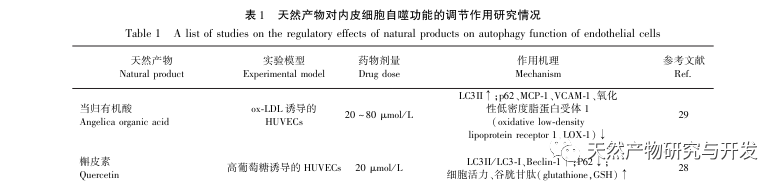
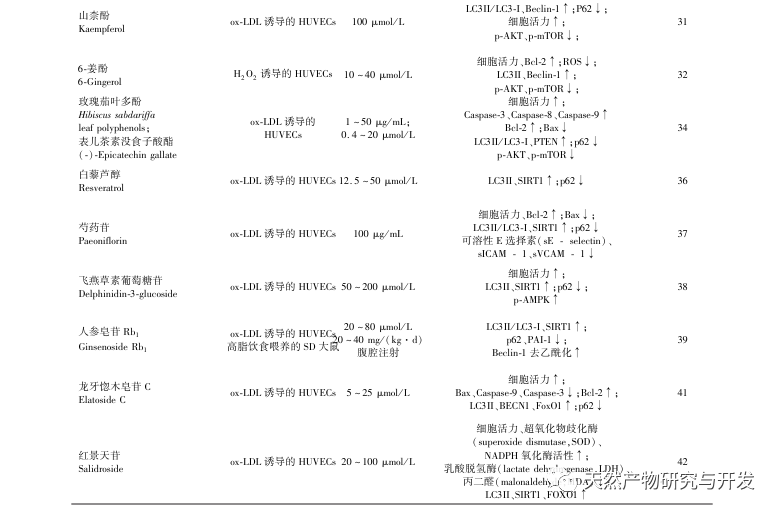
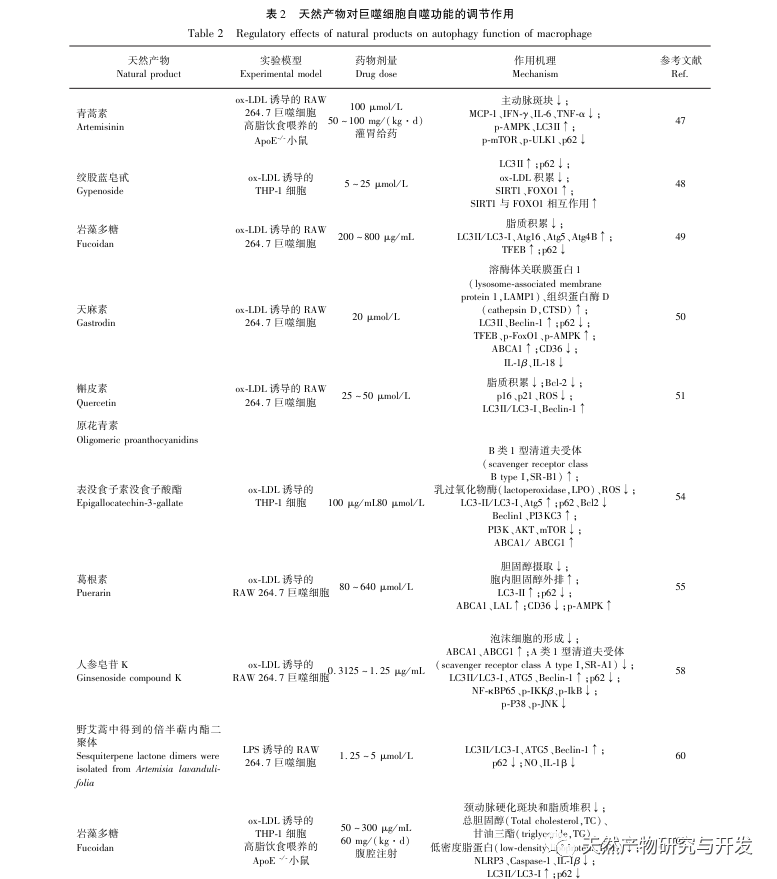
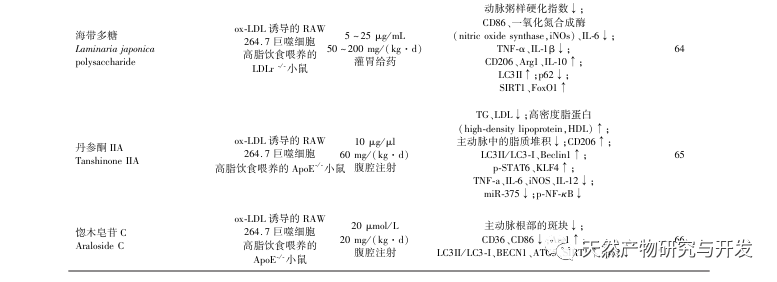
Faced with the high mortality rate caused by cardiovascular disease, it is crucial to search for and develop drugs that can more effectively treat AS. Autophagy, as a fundamental physiological regulatory mechanism of eukaryotic cells, has been proven to play a role in many diseases, and drugs developed targeting autophagy have also been gradually introduced into clinical treatment. Autophagy is involved in the development of AS through multiple pathways (see Figure 1). In addition to the three types of cells mentioned above, studies have shown that autophagy in monocytes, fibroblasts, and dendritic cells can also affect the development of AS. However, there are currently few research reports on these cells. As a disease with complex formation mechanisms, it is important to explore the impact of autophagy on AS on a broader scale. Although most studies have shown that activating cellular autophagy can improve AS, excessive activation of autophagy can also lead to cellular aging and apoptosis, thereby exacerbating the development of AS. Therefore, we should explore the role of autophagy in AS more objectively and comprehensively.
Natural products are an important source of drugs and play an irreplaceable role in cardiovascular and cerebrovascular diseases, neurological diseases, diabetes and other diseases. Compared with chemical synthetic drugs, natural products tend to have lower side effects in long-term use. So far, many natural products such as RSV, hydroxysaffron yellow pigment A, and BBR have been undergoing clinical trials for related diseases. At present, more research on natural products improving AS by regulating autophagy is based on cell or animal models, which often face more complex metabolic regulation processes in humans different from experimental environments. The clinical efficacy and potential toxic side effects of natural products still need further exploration. In addition, previous studies have shown that the regulation of cellular autophagy levels by natural products can alleviate the toxic side effects of existing drugs. Therefore, whether the combination of natural products and existing drugs for treating AS will have a positive impact on the therapeutic effect is also a promising direction for future research.
In summary, understanding the regulatory mechanism of autophagy in AS and clarifying the impact of natural products on autophagy during the occurrence and treatment of AS is of great practical significance for future research and development of drugs for treating AS.
 English
  Danish
  German
  Hungarian
  French
  Russian
  Spanish
  Turkish