
Efficient separation and purification of novel fibrinolytic enzyme from the fruiting body of velvet antler mushroom
Thromboembolic diseases have a high disability and mortality rate. Fibrin is the main component of blood clots, therefore, promoting fibrin degradation is a common means of preventing and treating thrombotic diseases. Exogenous fibrinolytic enzymes, such as urokinase (UK) and streptokinase (SK), are widely used in the clinical treatment of thromboembolic diseases due to their ability to indirectly or directly hydrolyze fibrin. Although they have significant thrombolytic efficacy, they also have certain application limitations such as short half-life and significant side effects. Therefore, the search for novel fibrinolytic enzymes with strong specificity, good safety, and low side effects has become a current research hotspot.
Edible mushrooms are rich in proteins, polysaccharides, terpenes, amino acids, sterols, nucleosides, and other substances, which have various physiological functions such as antioxidant, anti-tumor, immune regulation, and neural regulation. At present, the research on fibrinolytic enzymes derived from edible fungi and their functional properties has received widespread attention. It has been reported that fibrinolytic enzymes have been isolated and extracted from various edible mushrooms, such as Lentinus edodes, Cordyceps Militaris, Agrocybe aegerita, Tricholoma sejunctum, Lepista nuda, Pleurotus ferulae, etc.
Deer antler mushroom is a wood decaying edible and medicinal fungus widely distributed in temperate regions of the Northern Hemisphere. It has physiological functions such as antioxidant, immune enhancement, tumor suppression, and blood lipid lowering. In the preliminary experiments, it was found that the extract of velvet antler mushroom fruiting body contained high activity plasmin, which was significantly higher than the reported plasmin from other edible mushroom sources. This article introduces the separation and purification method of fibrinolytic enzyme in the fruiting body of velvet antler mushroom, and preliminarily identifies the enzyme. Currently, our research group has not seen any other reports related to fibrinolytic enzyme in velvet antler mushroom. This study can provide a basis for conducting thrombolytic and antithrombotic functional tests of velvet antler mushroom fibrinolytic enzyme, and also lay a theoretical foundation for its use in the development of functional foods.
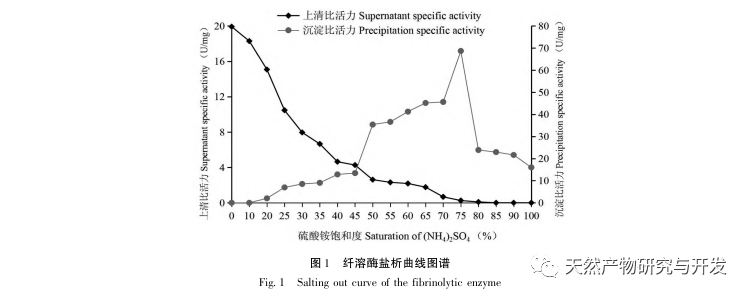
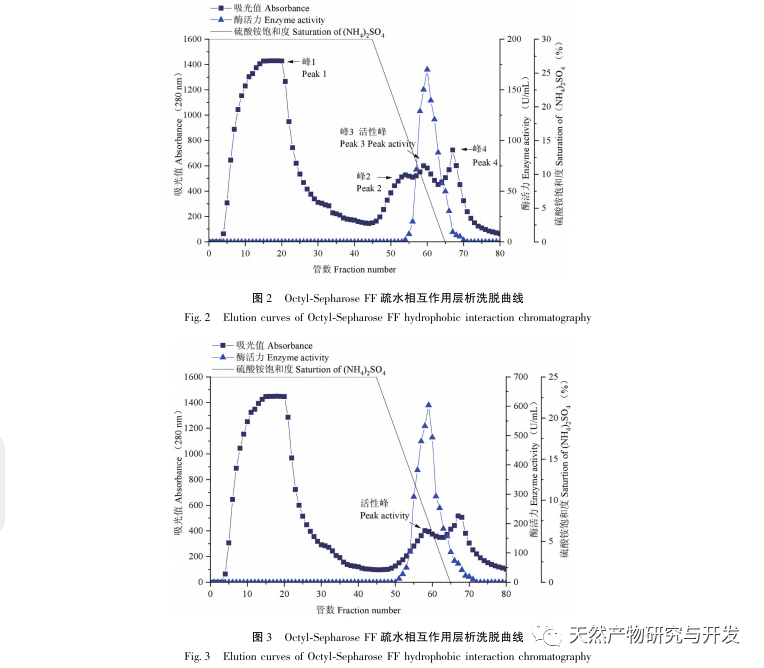
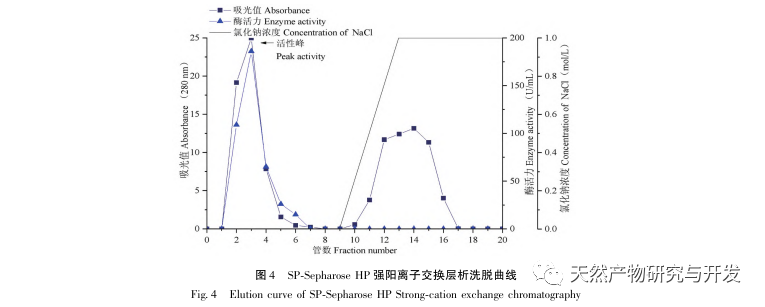
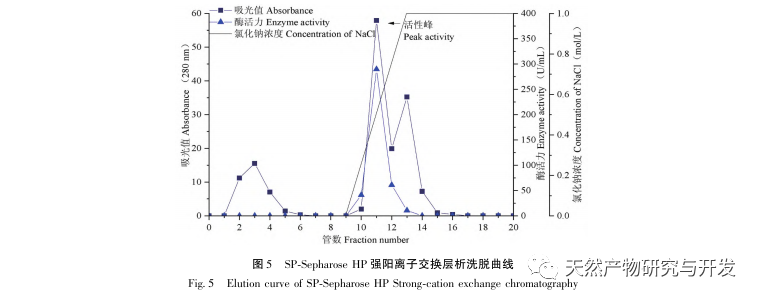
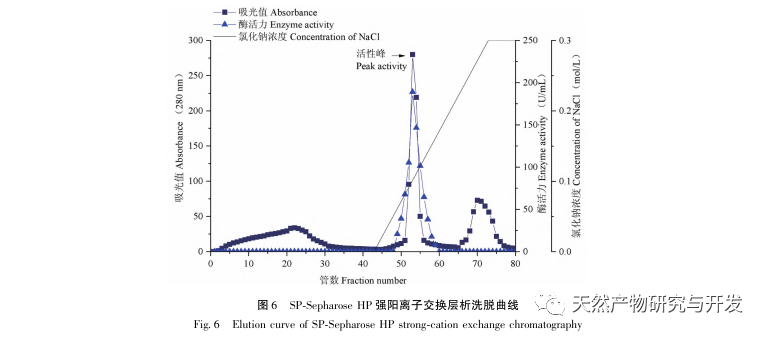
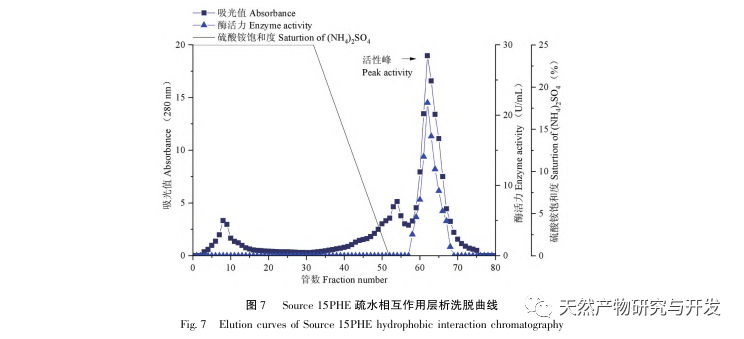
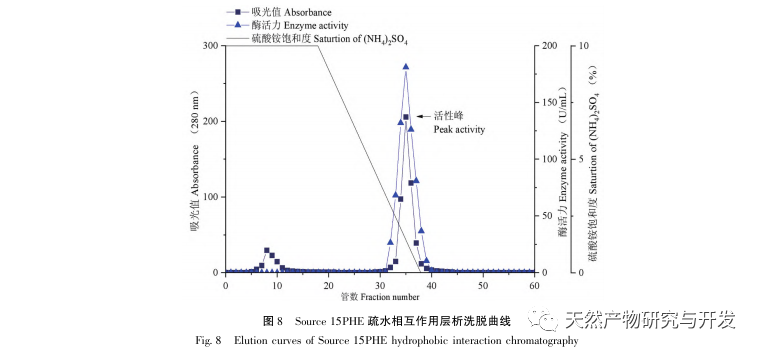
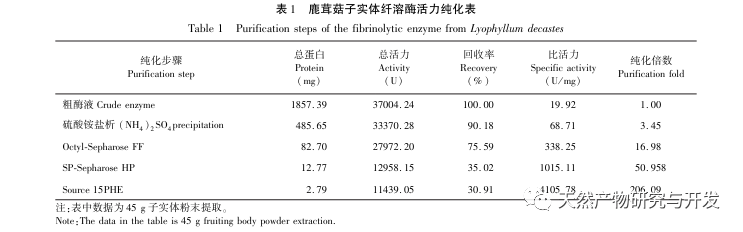
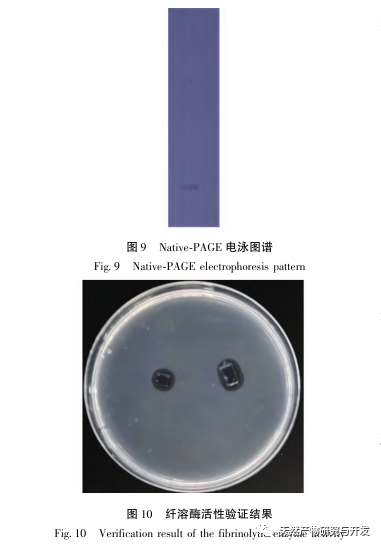
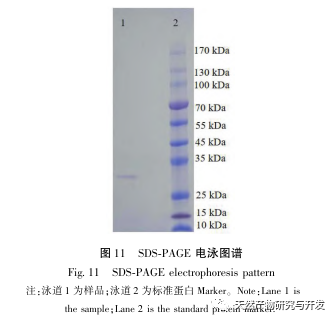
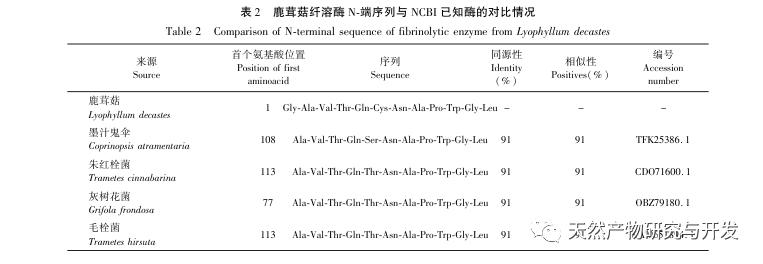 In this study, a fibrinolytic enzyme was isolated and purified from the fruiting body of velvet antler mushroom using modern chromatographic separation technology. The N-terminal twelve amino acid sequence of the fibrinolytic enzyme is Gly Ala Val Thr Gln Asn Ala Pro Trp Gly Leu. After comparison with NCBI database, the fibrinolytic enzyme was identified as a novel fibrinolytic enzyme. The specific activity of the fibrinolytic enzyme is 4105.78U/mg, the purification factor is 206.09, and the activity recovery rate is 30.91%. Through Native PAGE electrophoresis and SDS-PAGE electrophoresis detection, it was found that the relative molecular weight of the fibrinolytic enzyme was 30.9 kDa. The above results indicate that the new fibrinolytic enzyme derived from the fruiting body of velvet antler mushrooms has good thrombolytic potential and can be used for the development of functional foods to reduce thrombophilia tendency.
 English
  Danish
  German
  Hungarian
  French
  Russian
  Spanish
  Turkish