
Study on the characteristic maps and determination of phenolic and flavonoid contents in Huangjingzi and Wanjingzi
Huangjingzi, also known as Bujingzi or Huangjinzi, is a dry and mature fruit of the plant Vitex negundo L. var. cannabis (Sieb. et Zucc.) Hand Mazz. or Huangjingzi Vitex negundo L. in the family Verbenaceae. It grows on slopes, roadsides, or in shrubs and is mainly produced in various places south of the Yangtze River. Wanjingzi, also known as Wanjingzi or Wanjingzi, is a dry and mature fruit of the single leaf Vitex trifolias L. var. simplicfolia Cham. or Vitex trifolias L. in the family Verbenaceae. It prefers to grow on coastal beaches and lakeside areas, and is also cultivated. It is distributed in Hebei, Liaoning, Jiangsu, Guangdong and other places. Due to the similarity in characteristics between the two fruits of different species of plants in the family Verbenaceae, there are occasional instances of mixing them in the market; In terms of medicinal effects, the vine vine has the ability to disperse wind heat, clear and benefit the head, and is commonly used for wind heat, cold, headache, gum swelling and pain, red eyes with tears, unclear eyes, dizziness and vertigo; Huangjingzi has the effects of sweating, coughing, relieving asthma, regulating qi, relieving pain, and dispersing wind in the stomach. It is commonly used for cold cough, chronic phlegm wheezing, hiccups in the epigastric region, and joint rheumatism. The efficacy and clinical application of the two are different, and they should not be mixed together. Therefore, it is of great significance to establish a method that can effectively distinguish between the two.
The chemical composition of Polygonatum sibiricum mainly includes volatile oils, flavonoids, lignans, diterpenes, triterpenes, steroids, alkaloids, and small molecule phenols. There is little research on its chemical composition, while the chemical composition of Polygonatum sibiricum is basically the same as that of Polygonatum sibiricum, mainly composed of terpenes, flavonoids, and phenolic acids. However, as a commonly used traditional Chinese medicine in clinical practice, research on the quality analysis of Polygonatum sibiricum is relatively mature. At present, research on the identification of the two mainly focuses on physical and chemical identification as well as thin-layer identification. Some literature has also reported comparative studies on content determination, but there are few reports on characteristic spectra. In addition, Huangjingzi is only included in the medicinal standards and processing specifications of local medicinal products in various provinces, and is not included in the 2020 edition of the Pharmacopoeia of the People’s Republic of China. The standards and processing specifications of various regions only stipulate some basic items such as its characteristics, identification, and processing. The current legal standards cannot objectively judge the authenticity of Huangjingzi based on its appearance, nor can they evaluate its advantages and disadvantages. In addition, new types of traditional Chinese medicine decoction pieces such as broken wall decoction pieces, ultrafine powders, and formula granules have lost their original appearance shape compared to traditional decoction pieces. Therefore, it is of great significance to conduct more in-depth research on the quality evaluation of Huangjingzi. In recent years, establishing characteristic/fingerprint spectra and combining them with high-resolution mass spectrometry to study their material basis has become a common method for establishing a quality evaluation system for traditional Chinese medicine. Therefore, this study intends to use this method to compare and study Huangjingzi and Wanjingzi, in order to provide theoretical basis for their clinical use.
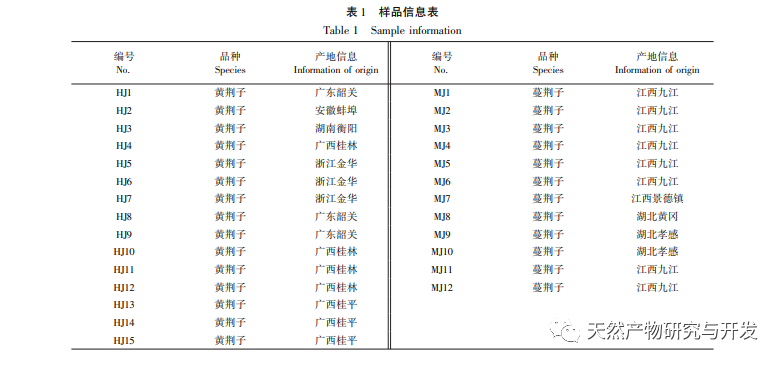
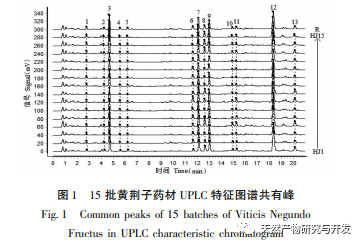
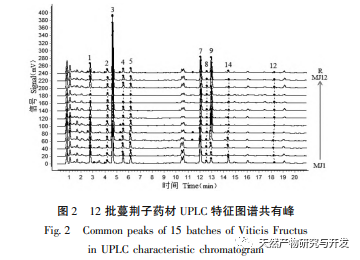
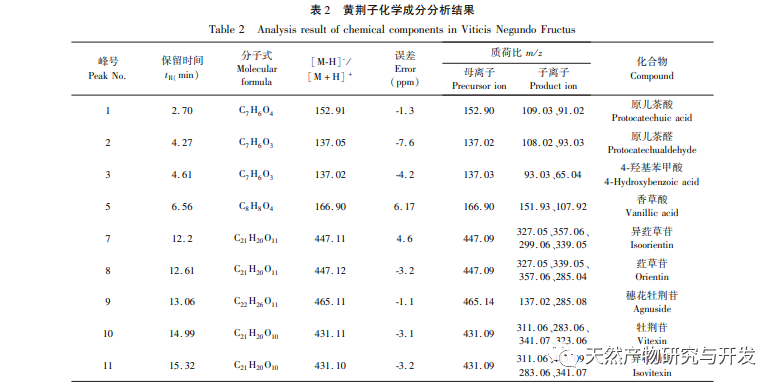
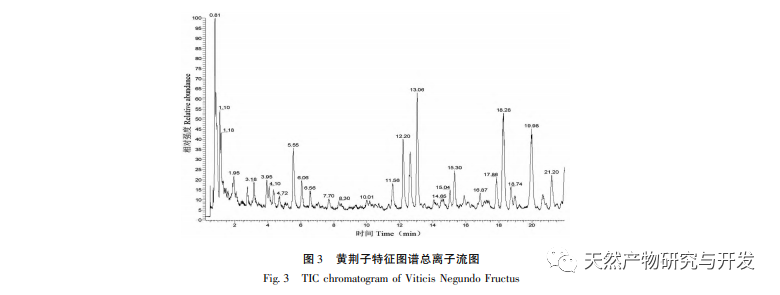
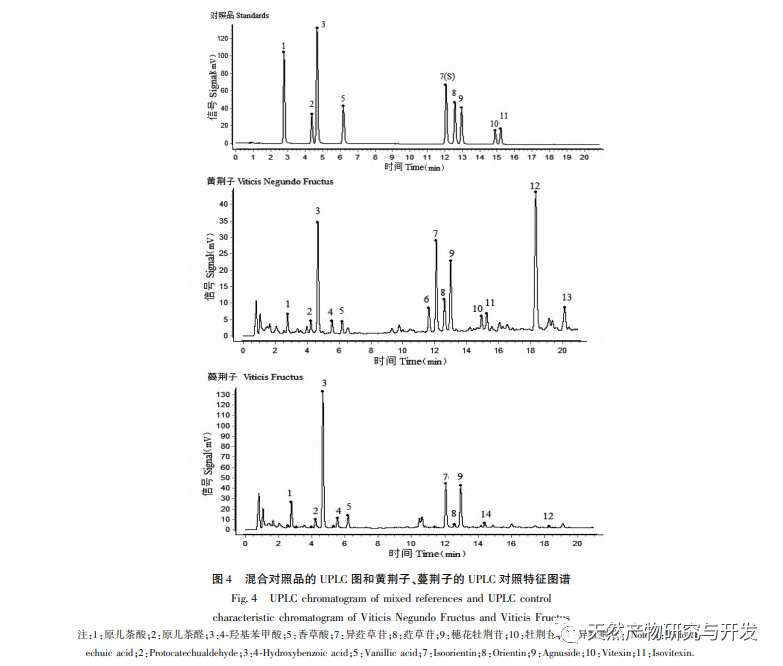
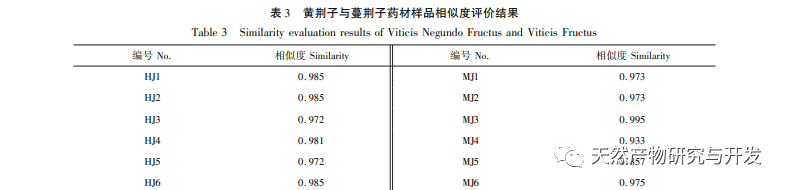
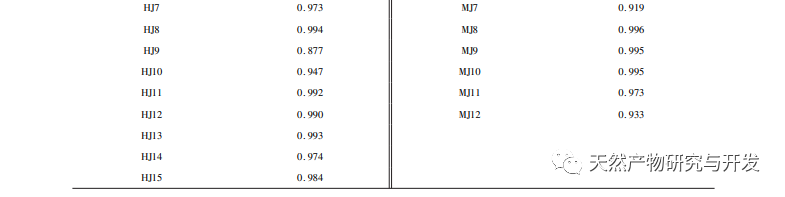
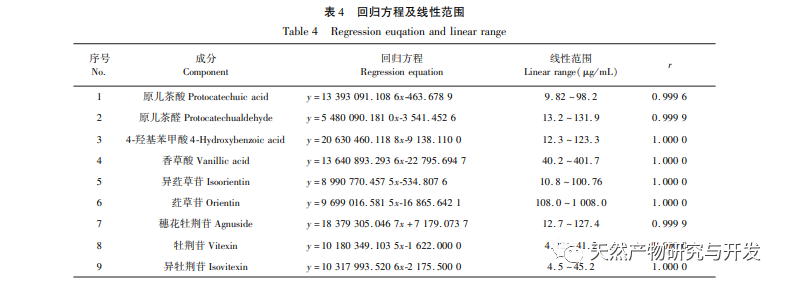
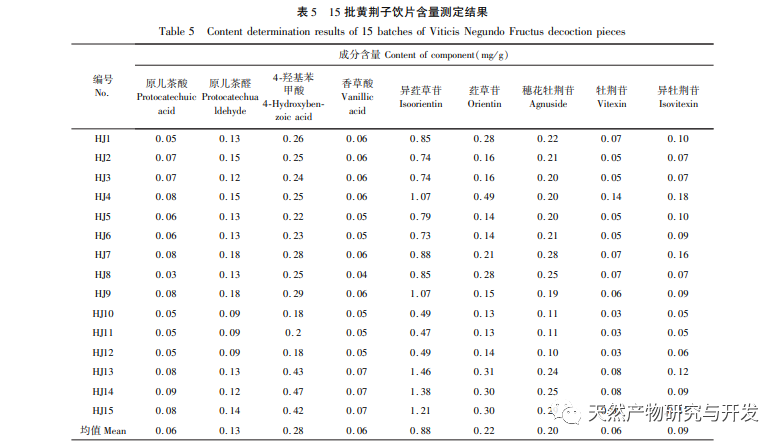
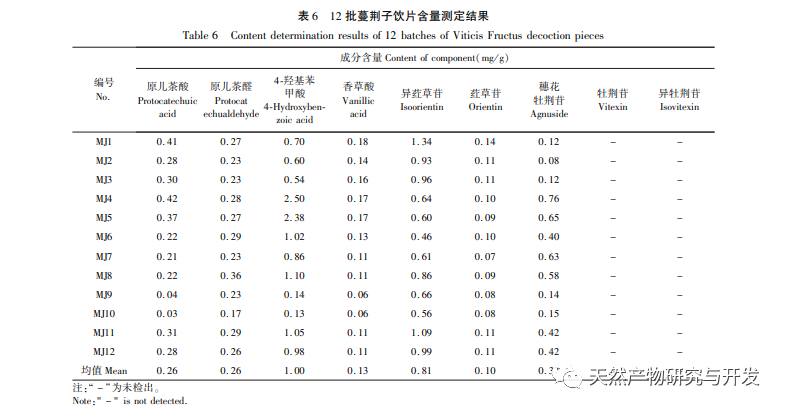
This study focuses on the organic acid and flavonoid chemical components of Huangjingzi and Wanjingzi, and establishes a UPLC characteristic map method for their organic acid and flavonoid chemical components. Nine components were identified by high-resolution mass spectrometry, namely the organic acid components protocatechuic acid, protocatechuialdehyde, 4-hydroxybenzoic acid, and flavonoid components paeoniflorin, isopaeoniflorin, tassel vitexin, vitexin, and isopaeoniflorin. This indicates that organic acids and flavonoids are the main chemical components of Huangjingzi and Wanjingzi, which is consistent with literature reports. However, the components of the two have some differences and each has its own unique components. In addition, multi index content determination indicates that organic acids and flavonoids are the main chemical components of Huangjingzi and Wanjingzi. The results showed that the common components also have differences in quantity, and the inconsistent material basis between the two may be the reason for the inconsistent efficacy and clinical use of these components, Among them, the vitexin and isovitexin contained in Huangjingzi are flavonoid components. Some literature suggests that these components have shown good pharmacological effects in combating myocardial ischemia, antioxidation, anti-inflammatory, hypoglycemic, anti-tumor and other aspects. At the same time, there are also literature reports that vitexin has various pharmacological effects such as brain protection, myocardial protection, bone protection, anti-tumor, antiviral, anti-inflammatory, etc. In clinical practice, in addition to being used for colds, coughs, chronic bronchitis, and asthma like vitexin, it can also be used to treat epigastric hiccup and joint rheumatism. It is speculated that this may be related to the pharmacological activities of its unique components vitexin and isovitexin. In addition, vitexin and isovitexin were not detected in Fructus Polygoni Multifaceus, which are specific components of Fructus Polygoni Multifaceus and can reflect the differences in Fructus Polygoni Multifaceus medicinal materials from different origins. It is recommended to choose vitexin and isovitexin indicators as specific evaluation indicators for Fructus Polygoni Multifaceus, and combine them with other components with higher content for comprehensive evaluation. This can not only distinguish the authenticity of Fructus Polygoni Multifaceus, but also reflect the evaluation of the quality of Fructus Polygoni Multifaceus from different sources.
The UPLC feature map method established in this study comprehensively reflects the chemical composition of Polygonatum sibiricum and determines 9 assigned characteristic components using the same method. The analysis method is fast and simple, and can effectively distinguish between Polygonatum sibiricum and Sophora japonica. The organic acid and flavonoid components were studied, providing a basis for further research and quality control of Polygonatum sibiricum.
 English
  Danish
  German
  Hungarian
  French
  Russian
  Spanish
  Turkish