
Study on the Chemical Composition and Inhibition Activity of Grass Fruit on α – Glucosidase
Amomum tsao ko Crevost&Lemarie are perennial herbaceous plants of the ginger family and cardamom genus, mainly distributed in provinces such as Yunnan, Guangxi, and Guizhou in China. Fruits used as medicine have the functions of drying dampness, invigorating the spleen, removing phlegm, and intercepting malaria; It can also be used as a seasoning spice to extract aromatic oils, and is a type of medicinal and edible dual-use variety. As a common medicinal and edible variety in China, the chemical composition and pharmacological effects of grass fruit have been widely studied. In terms of chemical composition, in addition to volatile oil components, it mainly includes flavonoids, phenols, and diphenylheptanes. Among them, flavonoids are mostly reported for their anti-inflammatory and antioxidant activities, phenols are mostly reported for their antioxidant activities, and diphenylheptanes are widely reported for their anti-tumor and α – glucosidase inhibitory activities.
Diabetes is a metabolic disease characterized by hyperglycemia and multiple complications. In recent years, it has become the third “health killer” after cardiovascular and cerebrovascular diseases and cancer. α – glucosidase inhibitor can control the development of diabetes, especially the occurrence of complications, by reducing the peak of postprandial blood glucose. It is a promising drug for the treatment of diabetes. Acarbose, voglibose and miglitol are currently the most widely used α – glucosidase inhibitors in clinical practice, but they are expensive, have side effects such as digestive tract disorders, hypoglycemia leading to shock, and can not effectively treat diabetes complications. It is of great significance to explore new α – glucosidase inhibitors. Research has shown that the dry powder and extract of grass fruit have hypoglycemic functions and inhibit α – glucosidase related activities, but there is no relevant study on the hypoglycemic effects of its monomer components. This study systematically extracted and separated grass fruit, and found that the monomer components enriched the chemical diversity of the species. Compounds that inhibit alpha glucosidase were also discovered, which is expected to provide new ideas for the clinical use of traditional Chinese medicine.
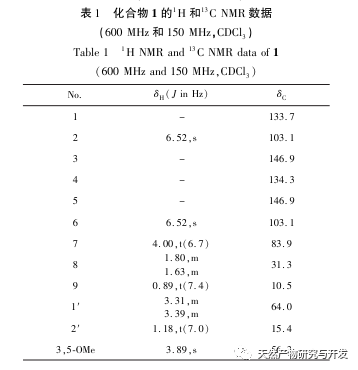
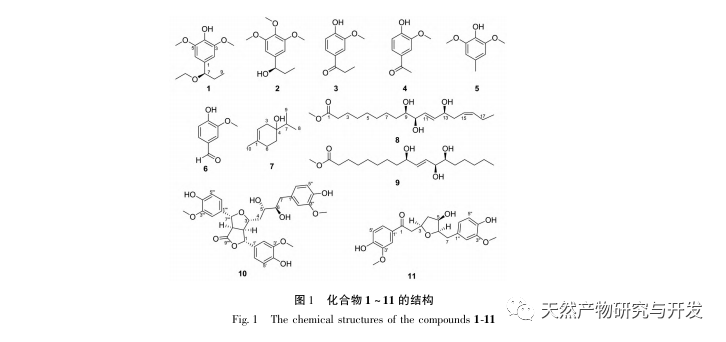
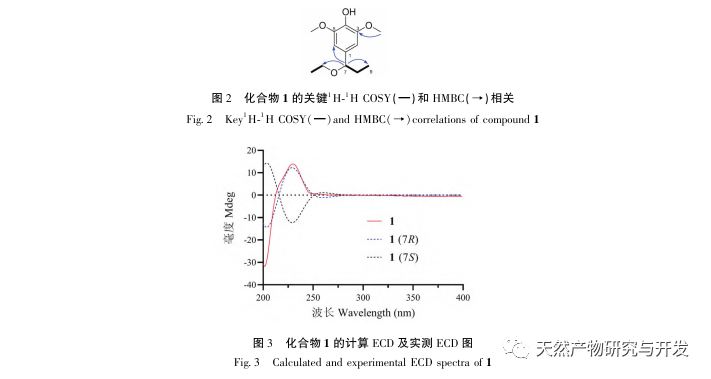
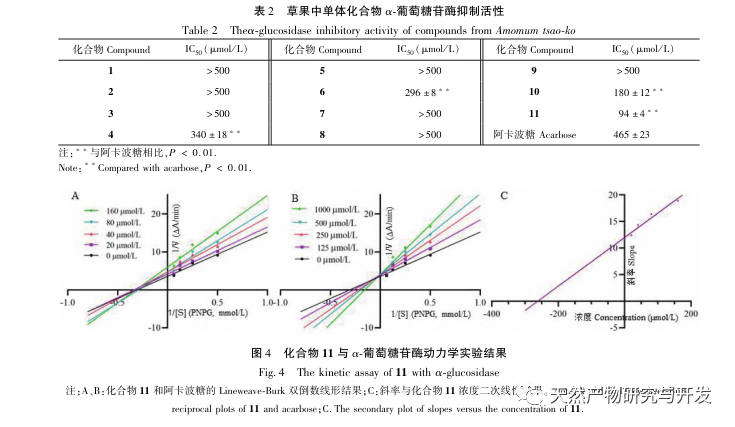
In this study, 11 compounds were isolated from the fruit of traditional Chinese medicine grass fruit. Compound 1 is a phenolic compound, which was first reported as a natural product. Compounds 2, 8, and 9 are phenolic and fatty acid compounds isolated from the cardamom genus for the first time; Through α – glucosidase inhibition activity testing, it was found that two diphenylheptane compounds have stronger activity than the marketed drug acarbose. Previous studies have shown that the alcohol extract of grass fruit has inhibitory activity against α – glucosidase, while the other monomer components in this study did not show significant inhibitory activity. It is speculated that these diphenylheptane compounds are one of the material bases for the hypoglycemic effect of grass fruit in vitro. α – glucosidase inhibitor has been widely concerned in recent years as a drug for clinical treatment of type 2 diabetes. This study not only enriches the diversity of components of Caoguo, a traditional Chinese medicine, but also is expected to further discover a new clinical application path of Caoguo, a traditional Chinese medicine, by inhibiting the activity of α – glucosidase with its monomer components.
 English
  Danish
  German
  Hungarian
  French
  Russian
  Spanish
  Turkish