
Analysis of Differences in Antioxidant Active Components in Goji Berry Callus Tissue Based on Metabolomics Technology
Lycium barbarum L., a plant belonging to the Solanaceae family and the Lycium genus, is a traditional Chinese medicinal plant included in the 2020 edition of the Pharmacopoeia of the People’s Republic of China (hereinafter referred to as the “Chinese Pharmacopoeia”). Due to its high content of active substances such as polyphenols and alkaloids, it has good antibacterial and anti-inflammatory effects, and high edible and medicinal value. It has been included in the first batch of drug food homologous catalogs by the China Food and Drug Administration and is highly favored in the domestic and foreign health product markets. Due to the influence of meteorological factors such as temperature and humidity on the quality of goji berries, Ningxia, Qinghai and other provinces have always been the main production areas of goji berries. However, traditional agricultural production still faces prominent problems such as long growth cycles and difficult manual regulation. Plant tissue culture technology provides a solution to this problem.
Plant tissue culture is a technique that regenerates or transforms isolated plant organs, cells, etc. into complete plants on suitable culture media under sterile and artificially controlled conditions. Callus tissue is a thin-walled cell in an amorphous state that is easily induced from isolated plant organs. According to the pluripotency of plant cells, the callus tissue of wolfberry has the same genetic information as natural wolfberry plants, and its chemical composition and biological activity will also have a high degree of similarity. Compared with traditional agricultural cultivation, the conditions for inducing goji berry callus tissue through plant tissue culture technology are more controllable, and the growth cycle of callus tissue is shorter than that of artificially planted goji berries. Therefore, inducing goji berry callus tissue through plant tissue culture broadens the access to goji berry resources and is conducive to meeting the growing demand of the goji berry market. Metabolomics is a science that studies the types, quantities, and changes of metabolites with a molecular weight of less than 1500 Da in living organisms. It is widely used in the composition analysis of medicinal and edible natural plants such as Astragalus membranaceus and ginseng. However, the current analysis of goji berry components is still limited to goji berry fruits, flowers, leaves, etc. grown under natural conditions.
This study established a stable goji berry callus culture system starting from goji berry seeds, compared the antioxidant activity of callus tissues induced by different combinations of plant growth regulators, and conducted metabolomics analysis to analyze the composition and metabolic pathways of callus tissues. The study explored the sources of antioxidant metabolites in goji berry callus tissues, providing reference for the in-depth development and diversified application of goji berry resources.
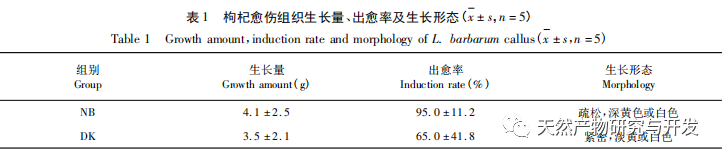
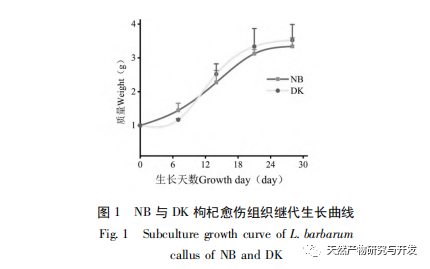
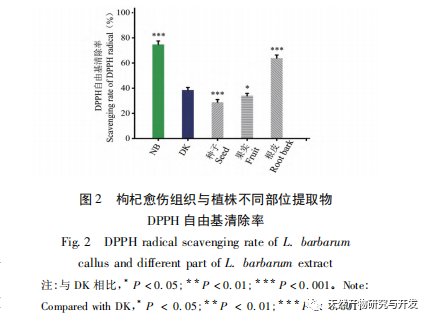
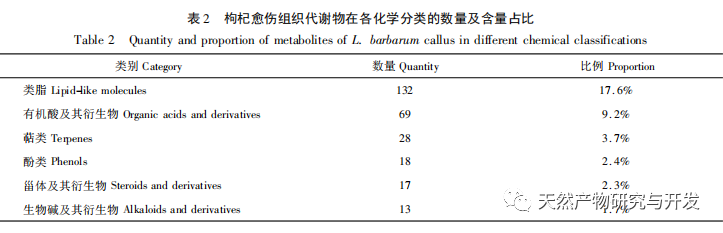
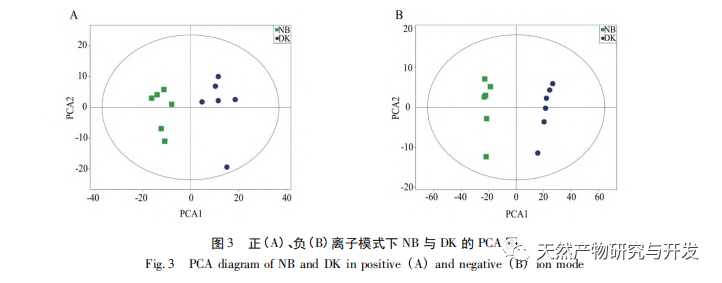
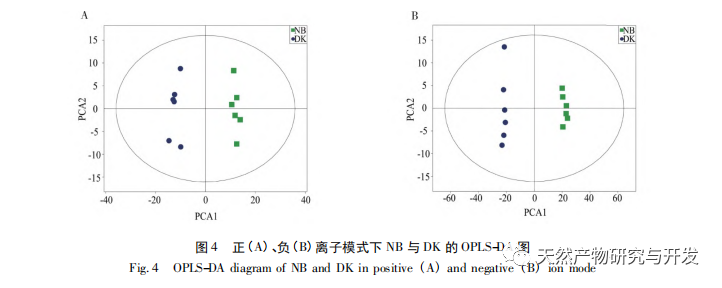
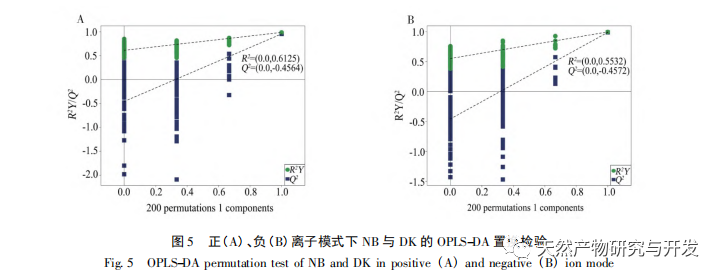
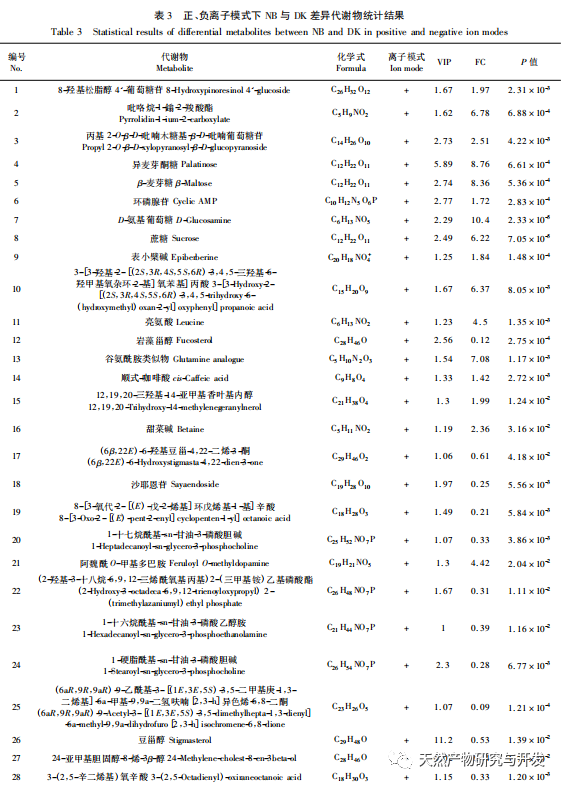
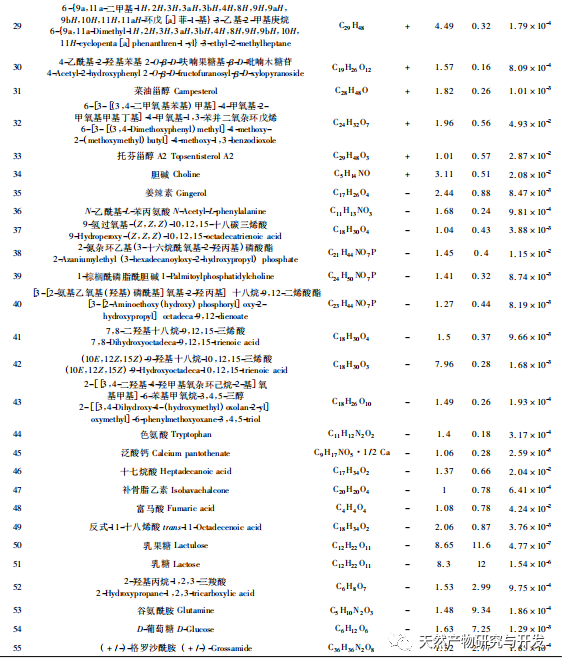
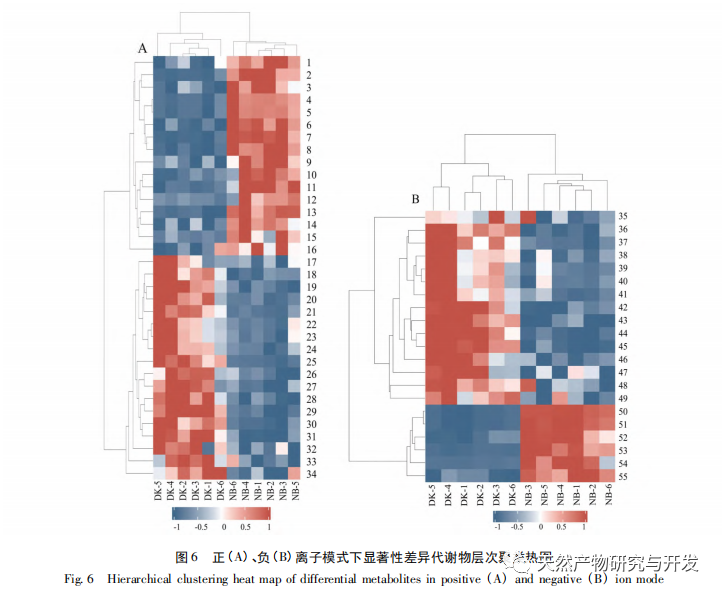
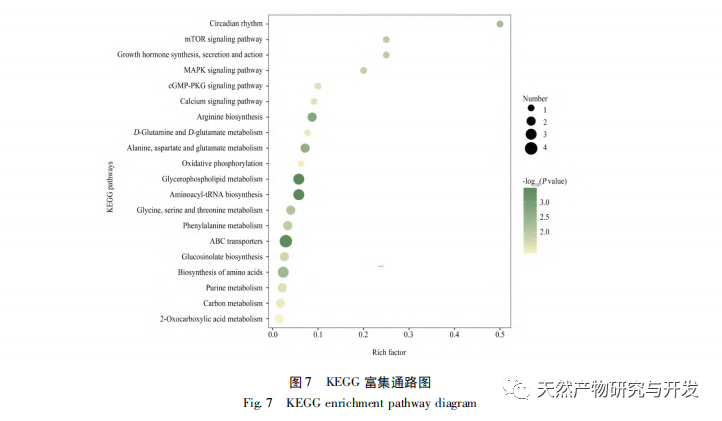
A stable goji berry callus culture system was established by using stem segments obtained from sterile seedlings of goji berry seeds as explants for inducing callus tissue, and high antioxidant activity goji berry callus tissue NB was obtained. Through untargeted metabolomics analysis, the material composition and metabolic pathway differences of goji berry callus tissue were found to contain 752 compounds, which are similar in active ingredients to natural plants and have better antioxidant activity than natural plants. Compared with DK, there were significant differences in 55 metabolites in NB, among which 22 metabolites were upregulated, including secondary metabolites such as betaine with good antioxidant activity. In addition, the lactose and lactulose in NB are 11 times higher than those in DK. These sugars, as primary metabolites, can be converted into monosaccharides through glycosidase hydrolysis, and important antioxidant precursors such as glutamine can be generated through gluconeogenesis, indirectly promoting the generation of secondary metabolites and enhancing antioxidant capacity in goji callus tissue. The KEGG results showed that significantly different metabolites were enriched in 20 metabolic pathways, mainly through ABC transporters, glycerophospholipid metabolism, aminoacyl tRNA biosynthesis, and amino acid biosynthesis pathways, directly or indirectly regulating the growth and metabolite synthesis of goji berry callus tissue.
Among the 55 detected differential metabolites, betaine and organic acids have been extensively studied, while secondary metabolites such as berberine have been rarely studied. Epiberberine has a good effect on reducing lipid accumulation and is highly beneficial to human health. At present, by controlling external conditions for targeted induction of metabolites in callus tissue, specific metabolites can be enriched and safe and reliable plant derived natural active substances can be obtained through separation and purification methods. Khanam et al. increased the yield of peppermint oil by adding plant growth regulators with different chemical structures, indicating the feasibility of regulating secondary metabolites in plants. Plant tissue culture is expected to become an important way to obtain goji resources, providing reference for the development of goji resources, especially the industrial production of secondary metabolites.
 English
  Danish
  German
  Hungarian
  French
  Russian
  Spanish
  Turkish