
Comparative Analysis of the Composition of Forsythia suspensa Essential Oil in Different Regions of China
Forsythia suspensa is a traditional bulk medicinal herb that refers to the dried fruit of the plant Forsythia suspensa. Forsythia suspensa is commonly used in traditional Chinese medicine treatment and has pharmacological effects such as antibacterial, anti-inflammatory, and anticancer properties. According to the maturity and harvesting time of the fruit, Forsythia suspensa can be divided into green Forsyth iae Fructus (GF) and ripe Forsythiae Fructus (RF). Depending on the climate conditions, GF is usually harvested from late July to early September, when the fruit is almost ripe but still green, and most GF fruits have not yet cracked. RF is usually harvested in October, when the fruit is fully ripe, yellow in color, and cracked. According to the 2020 edition of the Pharmacopoeia of the People’s Republic of China, both GF and RF are referred to as Forsythia suspensa in their applications.
Forsythia suspensa is widely distributed in China. According to the historical acquisition of Forsythia suspensa resources, Shanxi, Henan, and Shaanxi provinces account for 40%, 30%, and 20% of the total supply, respectively. Forsythia suspensa resources are also distributed in Anhui and Hubei provinces. Forsythia suspensa is mostly a wild resource, and locals will pick it at a reasonable time (late July to early September) to compete with the green season. This phenomenon leads to a higher number of GF on the market than RF. In recent years, Forsythia suspensa essential oil has received considerable attention. Jiao et al. discovered 21 essential oil compounds in Forsythia suspensa, which exhibited relatively good antibacterial activity. Olefins, alcohols, and esters are the main components in Forsythia suspensa essential oil that exert pharmacological effects. However, there has not been a quantitative and systematic evaluation of the effects of differences in the growth environment and harvesting time of Forsythia suspensa essential oil in the main production areas. It is still worth studying the use of GC-MS technology to analyze the components of Forsythia suspensa essential oil in different regions, in order to promote the comprehensive utilization of Forsythia suspensa.
This study collected 13 batches of Forsythia suspensa from five provinces (major production areas) in China, and analyzed and evaluated the essential oil components using GC-MS combined with principal component analysis (PCA) and cluster analysis (CA). Among them, the PCA based quality evaluation model is used for comprehensive quality assessment of different batches of Forsythia suspensa, while CA is used for unsupervised classification analysis of different batches of Forsythia suspensa.
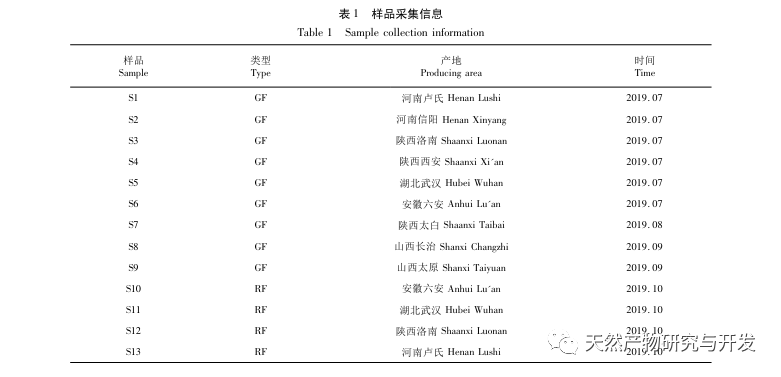
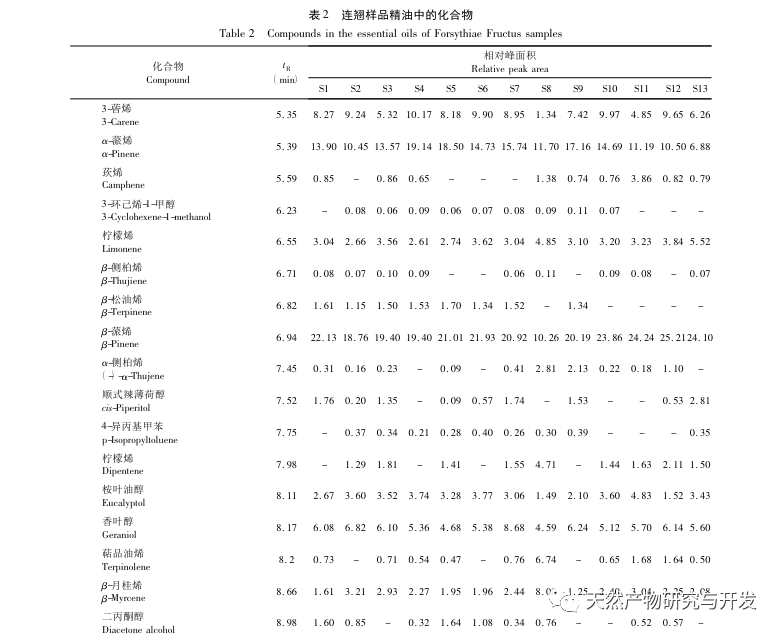

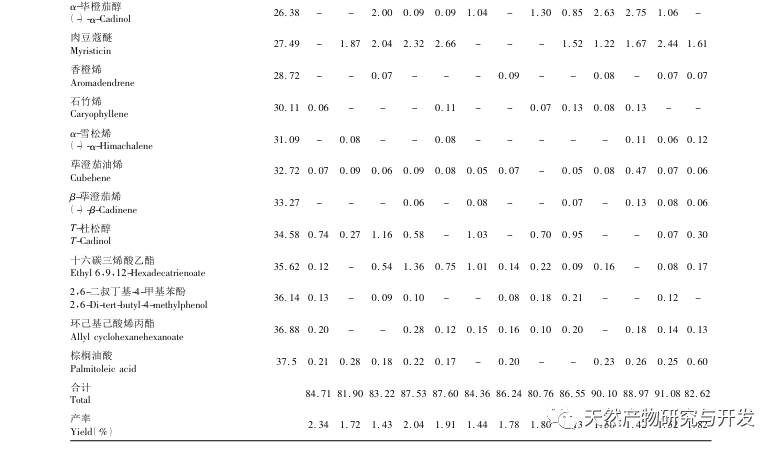
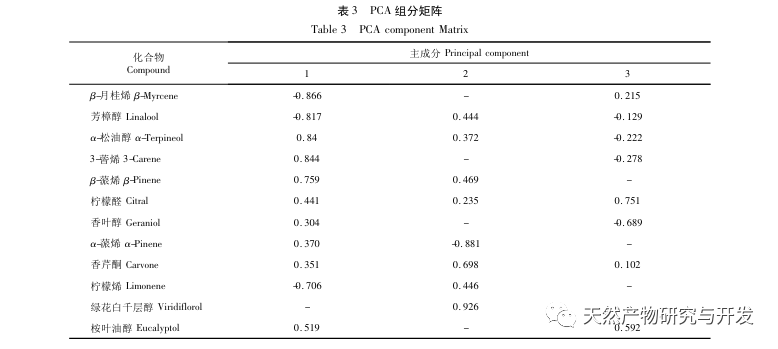
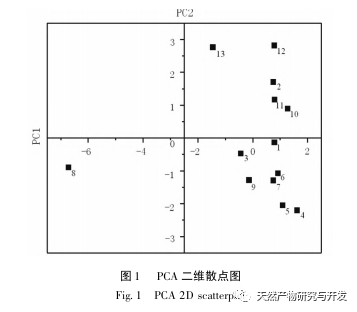
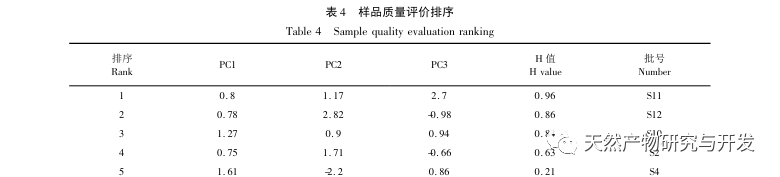

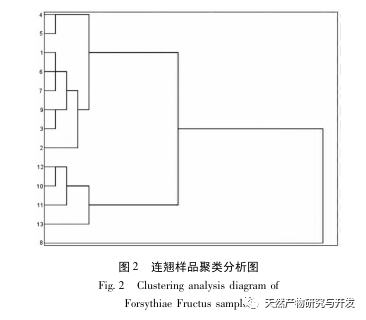 This study focuses on the essential oil components and systematically compares and analyzes the composition and content of essential oil components in Forsythia suspensa fruits from different regions and harvesting periods. The results show that both regional environment and harvesting period jointly affect the essential oil composition of Forsythia suspensa. This study provides preliminary data on the changes in the chemical composition of Forsythia suspensa essential oil, which directly determines its various biological activities. Therefore, in order to further determine the changes in Forsythia suspensa essential oil composition and guide the development and utilization of Forsythia suspensa essential oil resources in the fields of healthcare and food industry, it is necessary to conduct extensive and in-depth experimental research on larger scale and more accurate sampling conditions.
 English
  Danish
  German
  Hungarian
  French
  Russian
  Spanish
  Turkish