
Prediction and analysis of quality biomarkers in Eucommia ulmoides based on HPLC fingerprint and network pharmacology
Eucommia ulmoides Oliv is a plant species belonging to the Eucommiaceae family and the Eucommia genus. It is mainly produced in Shaanxi Province, Sichuan Province, Henan Province, Hunan Province, Hubei Province, Chongqing City, Guizhou Province, Shandong Province, Gansu Province, Jiangsu Province, and Shanxi Province. Among them, Cili in Hunan Province is the hometown of Eucommia ulmoides, with abundant Eucommia resources. Eucommia ulmoides is traditionally used as medicine from tree bark, with a history of over two thousand years of medicinal use in China. It has a sweet taste, warm nature, and has the effects of nourishing the liver and kidneys, strengthening muscles and bones, and stabilizing pregnancy. Eucommia ulmoides leaves were newly included in the Pharmacopoeia of the People’s Republic of China in 2015 and are now a pilot variety for medicinal and edible products. Common products in the market include Eucommia ulmoides tea. Eucommia ulmoides male flowers are also commonly used as tea in Eucommia ulmoides production areas; Eucommia ulmoides pods are generally used as raw materials for extracting gum.
The quality of Eucommia ulmoides products in the market varies greatly. In the 2020 edition of the Pharmacopoeia of the People’s Republic of China, the content determination of Eucommia ulmoides bark and leaves only controls the content of turpentine glucoside and chlorogenic acid. The chemical composition of Eucommia ulmoides is complex, and it is urgent to develop reasonable Eucommia ulmoides quality standards to ensure its quality.
Academician Liu Changxiao proposed the concept of traditional Chinese medicine quality markers (Q-markers) in 2016, and later experts summarized quality markers into the “five principles”, providing scientific basis for the quality control of traditional Chinese medicine. Network pharmacology is based on the theory of systems biology, using mathematical methods such as statistics and complex networks to emphasize network analysis of biological systems and reflect the physicochemical and biological properties of traditional Chinese medicine medicinal ingredients. It interprets the network interaction relationship between multiple components of traditional Chinese medicine and the body at the molecular level, providing a new perspective for exploring the complex modes of action of traditional Chinese medicine; Fingerprint spectrum is currently a mature method for discovering common components in different batches of products.
Based on this, this study used high-performance liquid chromatography (HPLC) to establish a fingerprint of Eucommia ulmoides (bark, leaves, fruit pods, male flowers), and then used network pharmacology methods to organize and analyze Eucommia ulmoides components, targets, and pathways to predict potential Q-markers in different parts of Eucommia ulmoides. Therefore, a quality control research method for Eucommia ulmoides (bark, leaves, fruit pods, male flowers) was established, in order to provide reference for the quality control and mechanism of action research of Eucommia ulmoides (bark, leaves, fruit pods, male flowers).
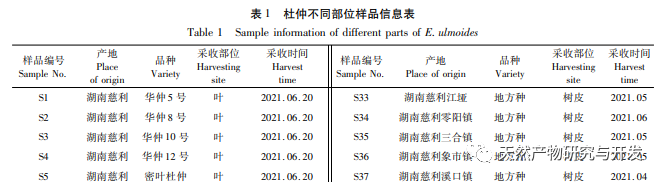
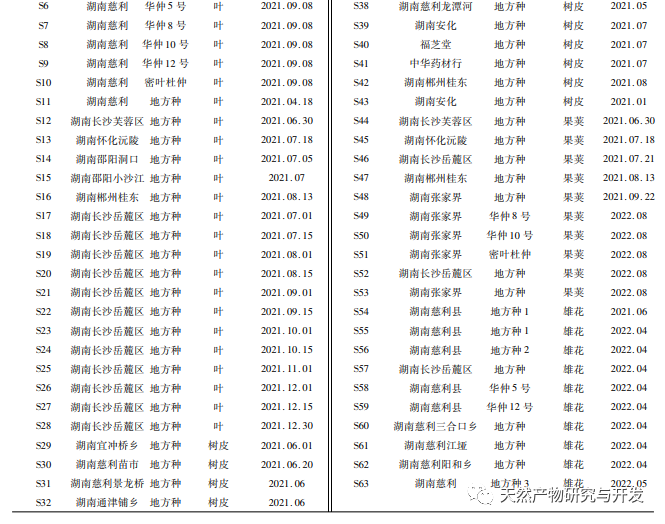
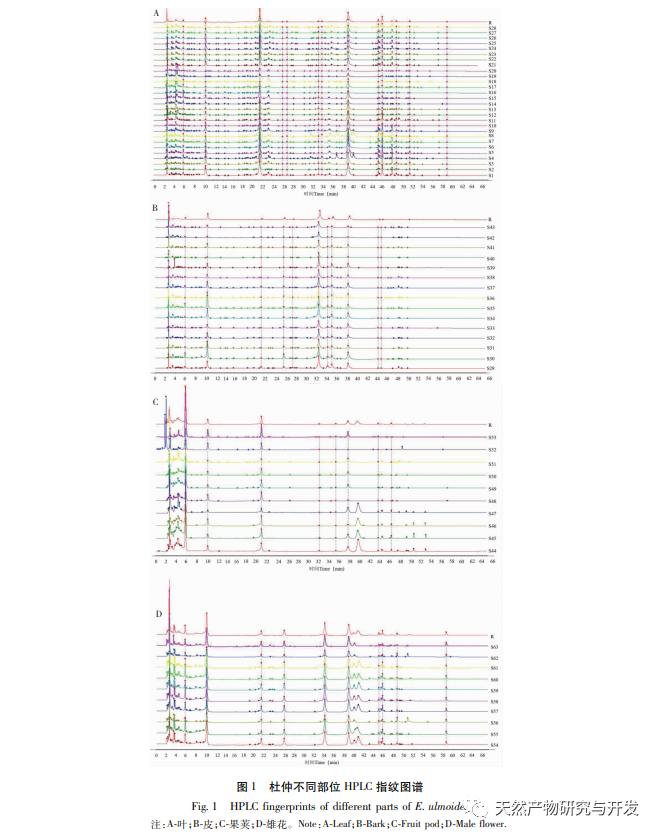
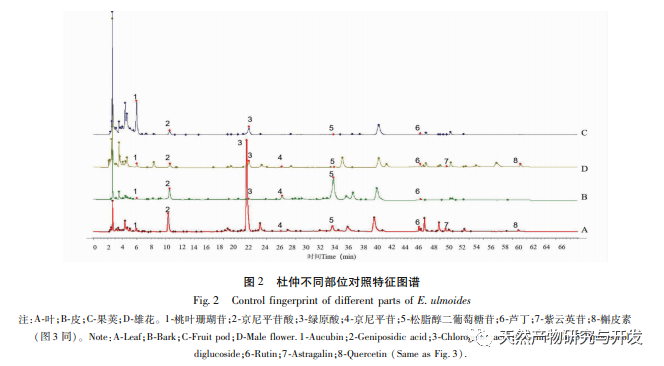
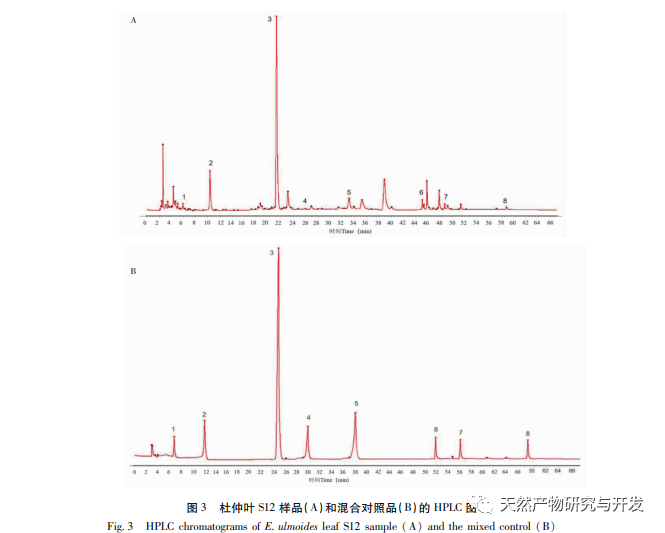
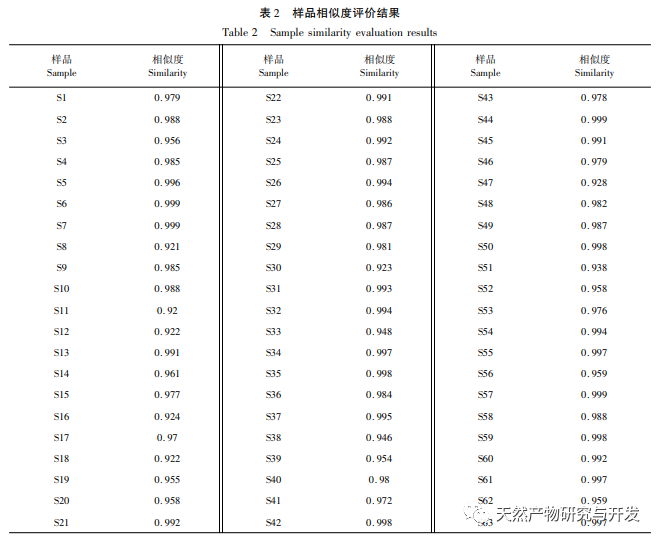
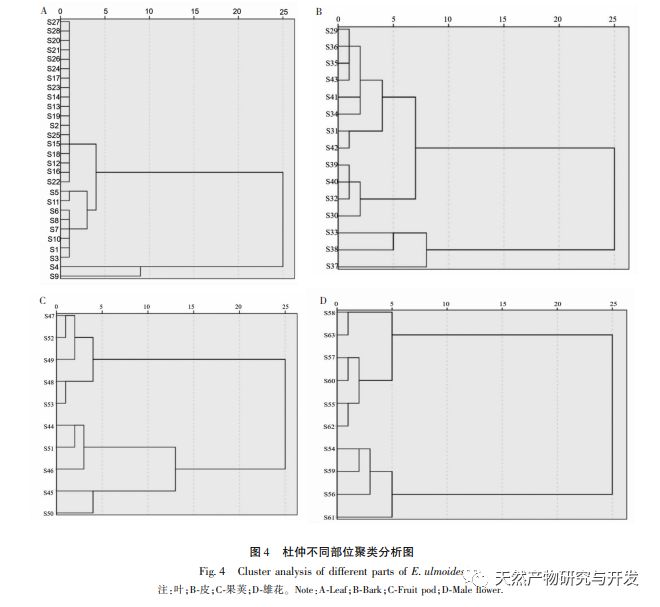
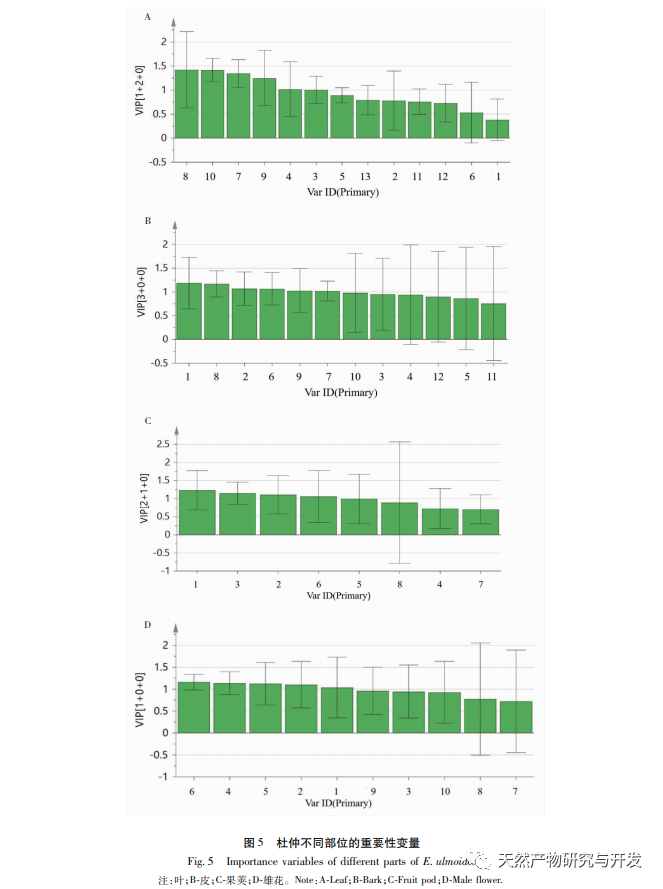
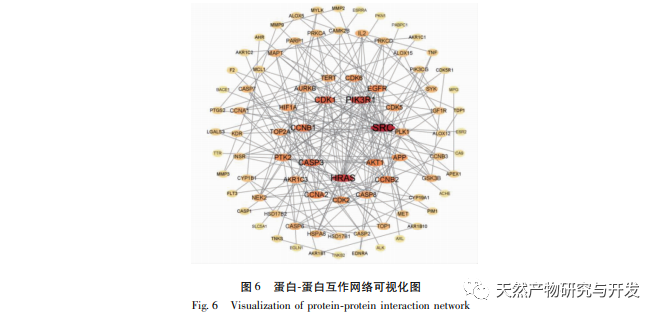
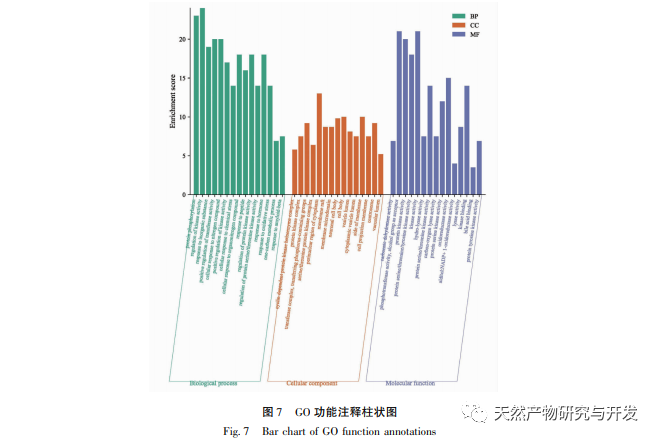
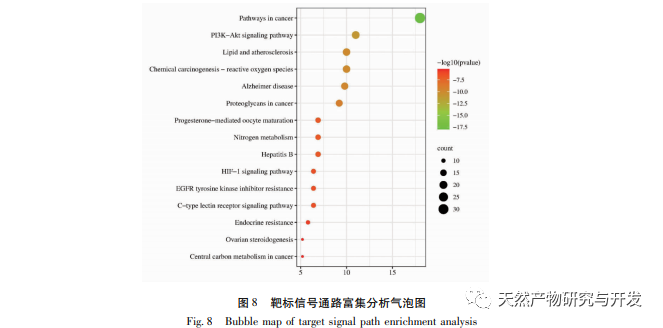
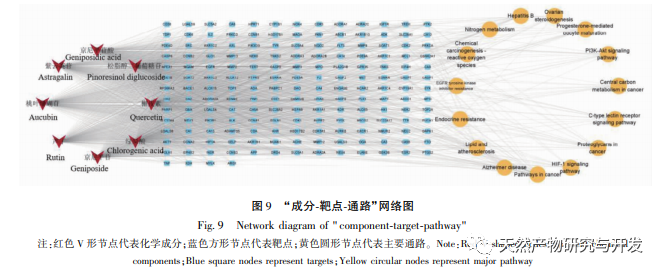
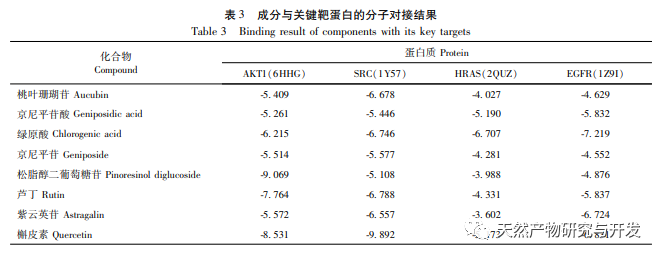
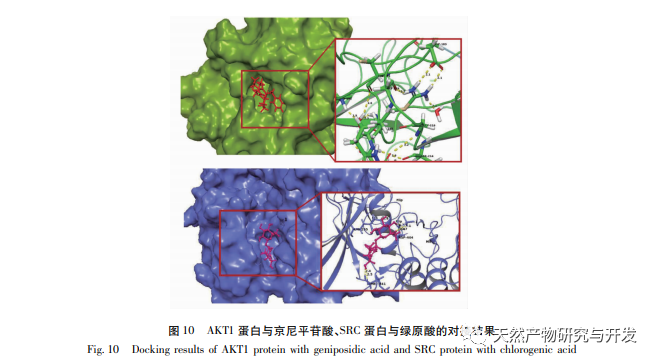
Traditional Chinese medicine has the characteristics of multi-component, multi target, integrity, etc. Quality is the key to ensure its clinical efficacy, but quality standards and quality control research are still the bottleneck problems that restrict the development of traditional Chinese medicine industry. Based on the Q-Marker concept proposed by Liu Changxiao, this study combined with empirical conclusions and literature research to screen the Q-Marker compounds that may exist in different parts of Eucommia ulmoides Oliv. The network pharmacology analysis of the screened compounds shows that these eight compounds can act on nitrogen metabolism, cancer pathway, lipid and atherosclerosis, cancer proteoglycan, PI3K-Akt and other targets through SRC, HRAS, PIK3R1, CDK1, CASP3, CCNB1, etc. Key pathways such as ovarian steroid production play a role, Huo et al. found that the total flavonoids in Eucommia ulmoides leaves can significantly reduce the total cholesterol content in the serum of hyperlipidemic rats, achieving the effect of lowering blood lipids; Similarly, some scholars have found that polysaccharides in Eucommia ulmoides leaves can significantly reduce the arteriosclerosis index, coronary heart index, and total cholesterol and triglyceride content in liver tissue, thereby exerting the role of Eucommia ulmoides in regulating blood lipids; Eucommia bark inhibits the progression of osteoarthritis by suppressing the PI3K/Akt pathway; Yuan et al. found that total flavonoids from Eucommia ulmoides leaves have strong anti-tumor effects in vivo, which is consistent with the results of this study. Therefore, the selected aucubin, geniposide, chlorogenic acid, geniposide, sitosterol diglucoside, rutin, puerarin, and quercetin can be used as quality markers for different parts of Eucommia ulmoides.
As one of the commonly used traditional Chinese medicinal materials in clinical practice, Eucommia ulmoides bark has a history of more than two thousand years in China and has high medicinal value. The chemical composition of Eucommia ulmoides is complex, and its pharmacological effects are extensive. The chemical composition and pharmacological effects of different parts have differences and similarities, and most existing related research is limited to a specific part, cutting off its integrity. There is a lack of methods for determining the content of integral components in the quality standard research of Eucommia ulmoides. It is necessary to establish a scientific and comprehensive quality control method. This study predicts potential Q-markers in Eucommia ulmoides through network pharmacology and fingerprint analysis, providing a reliable theoretical basis for the comprehensive establishment of Eucommia ulmoides quality evaluation methods and quality traceability systems. It also serves as a screening method for compound Q-markers containing Eucommia ulmoides.
 English
  Danish
  German
  Hungarian
  French
  Russian
  Spanish
  Turkish