
Analysis of physiological metabolism and gene expression characteristics of Dioscorea nipponica in response to low phosphorus stress
Phosphorus, as one of the essential elements for plant growth and development, participates in photosynthesis, energy conversion, signal transduction, and enzyme activity regulation, which can improve plant adaptability to the environment. The main source of phosphorus for plants is soil, but due to poor phosphorus transfer in soil, it is easily fixed, resulting in low bioavailability. Although the application of phosphorus fertilizer can alleviate the deficiency of available phosphorus, it is prone to combine with iron, aluminum, calcium ions or soil particles in the soil, making it difficult for plants to uptake. In addition, excessive application of phosphate fertilizer not only exacerbates the depletion of phosphate ore, but also causes environmental pollution problems such as eutrophication of surrounding water bodies. Therefore, it is urgent to study the response mechanism of plants under low phosphorus stress, screen and cultivate low phosphorus tolerant varieties. Under low phosphorus stress, plants respond to low phosphorus signals by regulating phenotypic traits and physiological metabolism to alter the form of phosphorus and increase plant uptake of phosphorus. The plant root system enhances the activity of acid phosphatase (ACP) in the rhizosphere soil by secreting ACP, achieving the activation and utilization of insoluble organic phosphorus in the soil. ACP is a hydrolytic enzyme that can hydrolyze monophosphate bonds to release inorganic phosphorus. Generally, the increase in ACP activity is considered one of the important mechanisms for plants to respond to low phosphorus stress. In addition, the development of plant roots and antioxidant systems also undergo changes in response to low phosphorus stress.
During the long process of growth and development, plants develop their own mechanism to resist low phosphorus. Under low phosphorus stress, plants regulate their physiological and biochemical processes by altering a series of gene expression levels, in order to quickly adapt to low phosphorus environments and prolong their survival time. Transcriptome sequencing technology (RNA Seq) can study the gene transcription, localization, and annotation of tissues under specific conditions, and is an effective means of studying the molecular mechanisms of plant physiological processes. At present, RNA Seq is widely used in the molecular mechanism research of plant response to external stress, greatly promoting the research progress of plant stress resistance molecular mechanism. Therefore, using RNA Seq to study the molecular mechanisms of plant tolerance to low phosphorus stress is of great significance for searching for metabolic pathways that respond to low phosphorus stress in plants and screening potential key genes that respond to low phosphorus stress.
Dioscorea zingiberensis C.H. Wright is a plant species in the Dioscoreaceae family, commonly known as ginger or fire root. Dioscorea opposita is a unique variety in China and the plant with the highest content of diosgenin in the world. Dioscorea nipponica is an important medicinal plant for extracting diosgenin, and also an important raw material for synthesizing steroid hormone drugs. In addition, Dioscorea opposita is also a clinical medication for treating cardiovascular and cerebrovascular diseases, which greatly promotes the development of related industries of Dioscorea opposita. Previous studies have found that long-term cultivation of Dioscorea nipponica can reduce the available phosphorus content in the soil, causing low phosphorus stress and hindering the growth and development of Dioscorea nipponica plants, affecting the synthesis of its steroidal saponins. At present, there have been no reports on the effects of low phosphorus stress on the growth and steroidal saponin metabolism of Dioscorea nipponica. Therefore, based on previous experimental results, this study selected Dioscorea nipponica from Nanyang, Henan Province as the research object, and evaluated the physiological changes and metabolic characteristics of steroidal saponin components in Dioscorea nipponica under low phosphorus stress using inorganic phosphorus grading content, root development, rhizosphere matrix acid phosphatase (S-ACP) activity, plant peroxidase (POD) and superoxide dismutase (SOD) activity, and the content of steroidal saponin components in various parts. Transcriptome sequencing technology was used to investigate the key physiological changes and metabolic characteristics of steroidal saponin components in Dioscorea nipponica under low phosphorus stress. Analyze the gene expression characteristics of different tissue parts of Dioscorea opposita during the period, providing a basis for further research on the molecular mechanism of Dioscorea opposita response to low phosphorus stress.
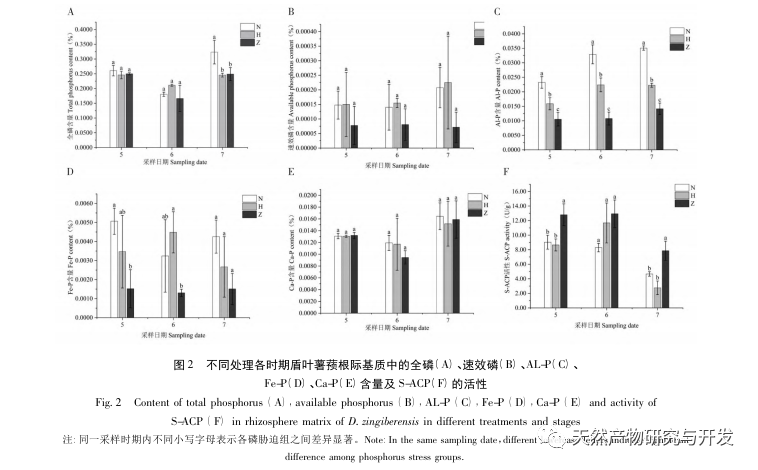
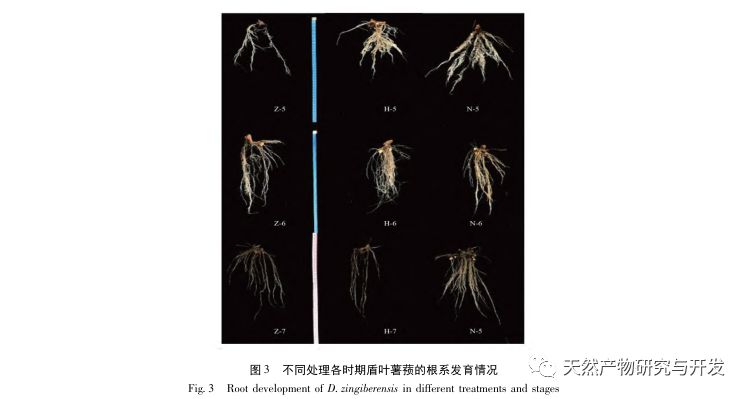

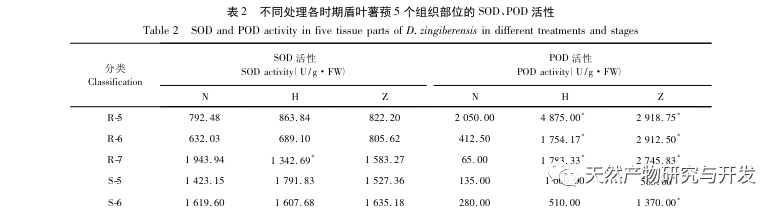


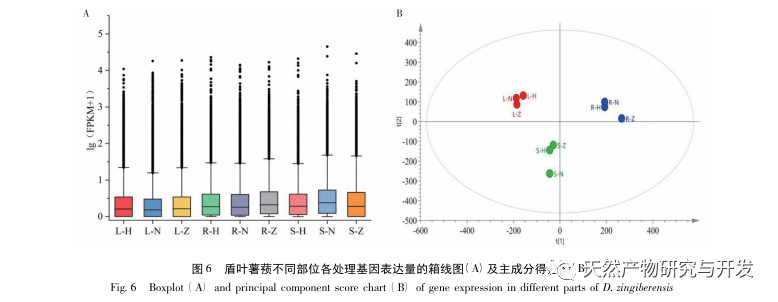


The growth of plants is the result of the joint action of genes and environment. Under low phosphorus stress, plants will obtain signals of soil phosphorus deficiency through signal receptors in their bodies. Through complex signal transduction, they will initiate the expression of genes related to low phosphorus stress in their bodies, regulate physiological and biochemical processes in plants, and ultimately exhibit a series of morphological and physiological biochemical characteristics in response to low phosphorus stress. This experiment analyzed the response characteristics of various parts of Dioscorea opposita under low phosphorus stress and different phosphorus concentrations based on multiple indicators such as the development characteristics of the underground part, SOD and POD activities in various parts, S-ACP activity in the rhizosphere matrix, and phosphorus content and morphology in the rhizosphere matrix. The study showed that the content of easily utilizable phosphorus such as Al-P, Fe-P, and available phosphorus in the normal group was higher than that in the severe stress group, especially the Al-P content decreased in the normal group, moderate stress group, and severe stress group in sequence. Moreover, the POD activity of each stress group in the five tissue parts of Dioscorea opposita was generally higher than that of the normal group, and the activity of acid phosphatase in the rhizosphere matrix of the severe stress group was significantly higher than that of the normal group at all three stages. This is consistent with the phosphorus starvation response that plants undergo when soil phosphorus is deficient; In addition, the research results indicate that the response of Dioscorea opposita to low phosphorus stress is more obvious in the early stage of growth and development. In the later stage, as Dioscorea opposita adapts to the low phosphorus stress environment, the response gradually weakens and the response characteristics tend to be consistent. This to some extent indicates that the response and regulation of Dioscorea opposita to low phosphorus stress is a complex dynamic process.
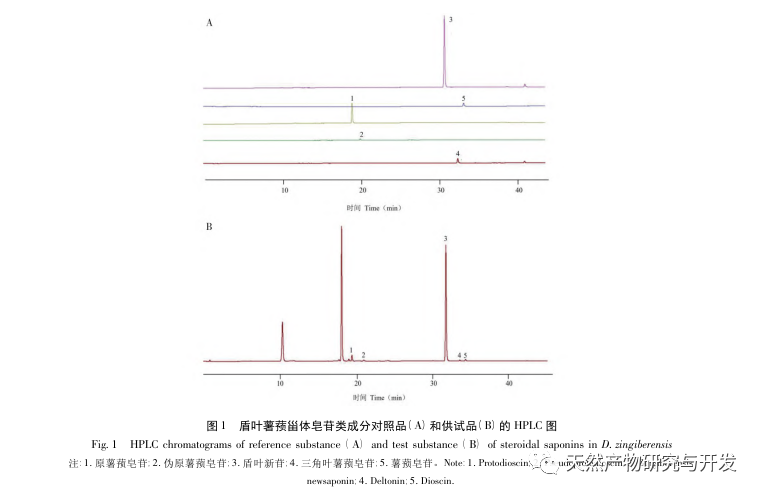
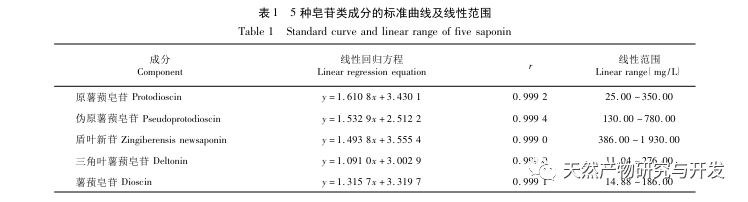
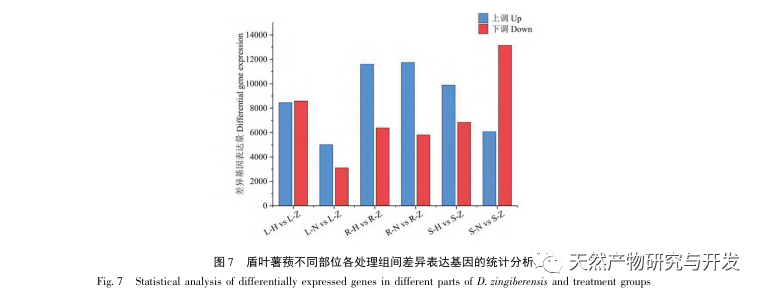
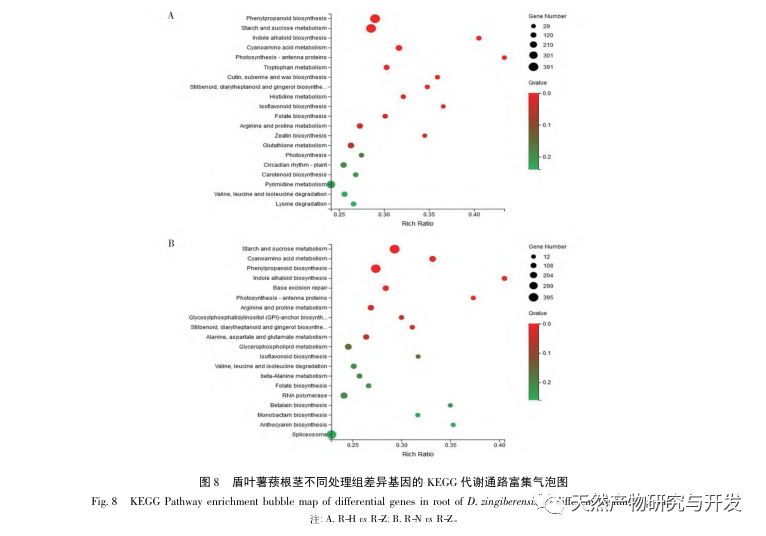
Metabolic regulation is an important mechanism for plants to adapt to low phosphorus stress, and steroidal saponins are the main secondary metabolites and active ingredients of Dioscorea opposita. The results of this study indicate that low phosphorus stress affects the synthesis of steroidal saponins in Dioscorea opposita, and similar to physiological characteristics, the differences in steroidal saponins in different parts of the plant under different treatments mainly manifest in the early stages of stress. In order to further explore the response characteristics of Dioscorea opposita to low phosphorus stress at the genetic level, this study analyzed the gene expression characteristics of different treatments of Dioscorea opposita rhizomes, leaves, and aboveground stems in the early stages of stress. It was found that potential differentially expressed genes in response to low phosphorus stress were mainly involved in the biosynthesis of organic acids, inositol, terpenoid skeletons, and multiple metabolic pathways such as phosphate. This is consistent with the enhanced activity of S-ACP in the rhizosphere matrix, the involvement of inositol in plant signal transduction and stress regulation, the important role of terpenoids in plant resistance to stress, the important role of phosphate transporter (PHT) encoding genes in regulating plant growth and development, root morphogenesis, and phosphorus balance.
Literature research reports that the diosgenin in Dioscorea opposita is mainly synthesized in the leaves, and after glycosylation, more water-soluble saponins are generated and transferred to the rhizomes for storage, indicating that the leaves may be the main synthesis site for saponin components, while the rhizomes are the storage site. In this study, the top 20 pathways with the most significant enrichment of differentially expressed genes in each treatment group after low phosphorus stress showed that the pathways with the most significant enrichment in the leaves included the pentose phosphate pathway, sesquiterpenes and triterpenoids, and inositol biosynthesis, while the pathways with the most significant enrichment in the rhizomes were starch and sucrose metabolism, indole alkaloid biosynthesis, etc. The study found that the genes involved in the synthesis of steroidal saponins are related to the mevalonic acid (MVA) pathway, 2-methyl-D-erythritol 4-phosphate (MEP) pathway, and cholesterol biosynthesis pathway involved in the synthesis of terpenoids. This further confirms that leaves may be the main site for the synthesis of saponins in Dioscorea nipponica. Therefore, how genes related to the synthesis of saponins in leaves respond to low phosphorus stress can be verified by real-time fluorescence quantitative qRT PCR technology. The expression patterns of differentially expressed genes involved in the biosynthesis of terpenoid skeletons, organic acids, and inositol in Dioscorea nipponica leaves under low phosphorus stress can be further identified, characterized, and functionally analyzed to explore their relationship with plant phosphorus starvation. The correlation between response and steroidal saponin synthesis, To provide a basis for studying the regulatory mechanism of low phosphorus tolerance in Dioscorea nipponica.
 English
  Danish
  German
  Hungarian
  French
  Russian
  Spanish
  Turkish