
Differential analysis of chemical composition and cell experiment verification of corrugated seeds and their counterfeit products based on metabolomics
Corrugated clams are shells of the Arca subcrinata Lischke, Arca granosa Linnaeus, or Arca inflata Reeve, which belong to the family of clams. They are commonly used traditional Chinese medicine for marine shellfish and have the effects of reducing phlegm, removing blood stasis, softening hardness, dispersing lumps, and relieving acid and pain. Corrugated stones are widely used in clinical practice for the treatment of gastric diseases such as gastroesophageal reflux, acute gastric ulcers, chronic gastritis, and gastric ulcers; And the treatment of thyroid cancer, thyroid nodules, tumors, ulcerative colitis, hypertension and other diseases.
Corrugated clams are a variety of original medicinal herbs, and there are also many counterfeit products, mainly including ribbed rough decorated clams, knot clams, boat clams, ball clams, and hairy clams. Like other shellfish traditional Chinese medicines, the chemical composition of corrugated seeds consists of two major categories: inorganic and organic components. The main inorganic components are inorganic salts mainly composed of calcium carbonate and trace inorganic elements. According to the 2020 edition of the Pharmacopoeia of the People’s Republic of China, the content of calcium carbonate (CaCO3) should not be less than 93.0%. The main components of organic matter are proteins, amino acids, polysaccharides, etc. Organic components generally account for about 0.3% to 5.0% of the dry weight of the shell. Due to its low organic content and complex structure, as well as limitations in research methods and ideas, the overall pharmacological substance basis research of shellfish traditional Chinese medicine is relatively weak, resulting in a lack of specialized identification and determination methods for the content of functional components in the current quality standards of shellfish traditional Chinese medicine, making it difficult to evaluate its intrinsic quality. The systematic identification and analysis of its organic components using modern research methods is a prerequisite and foundation for elucidating its material basis and improving its quality standards. This study utilized the TM Wide Targeted Metabolomics technique, which integrates the advantages of non targeted (quad bar time-of-flight mass spectrometry, QTOF) and wide targeted metabolite detection techniques (quantitative multiple reaction monitoring, MRM). This technique combines non target (high-resolution, wide coverage) with wide target (high-sensitivity, precise quantification), making it suitable for the analysis of complex samples. Identification of traditional Chinese medicine varieties is the key to quality control of traditional Chinese medicine. Metabolomics technology can be applied to quality control of traditional Chinese medicine with similar metabolic information. In recent years, metabolomics technology has been widely used in comparative studies of traditional Chinese medicine quality. Therefore, in this study, wide target technology was used to comprehensively analyze the metabolic components of corrugated clams and their counterfeit products, such as the thick ribbed clam, to identify their differential metabolites and search for potential quality markers. Research has shown that corrugated stones have a significant therapeutic effect on thyroid cancer. This study selected the human thyroid cancer cell line TPC-1, which is related to its traditional efficacy, to explore the pharmacological effects of some differential metabolites, laying the foundation for the improvement of the pharmacological substance basis and quality standards of corrugated seeds.
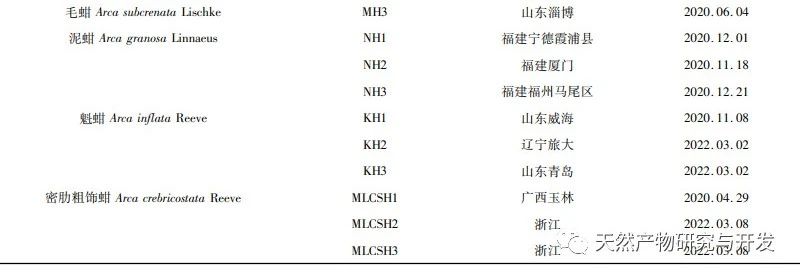
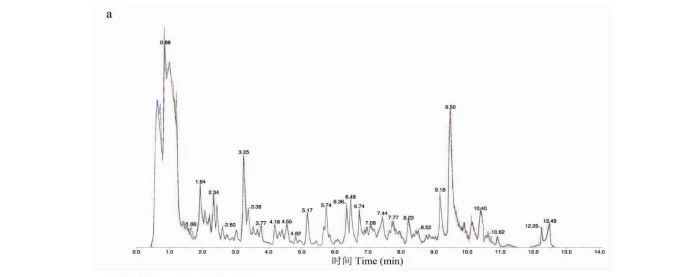
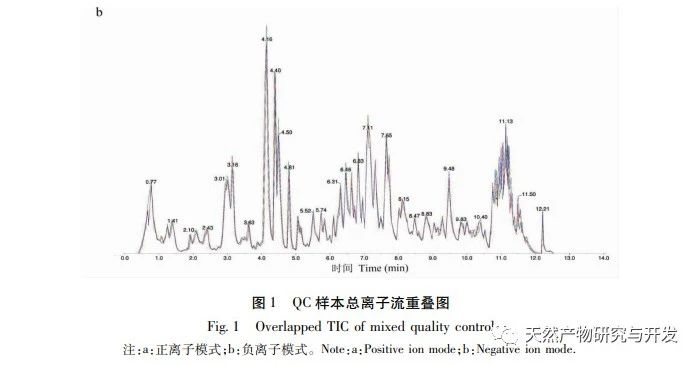
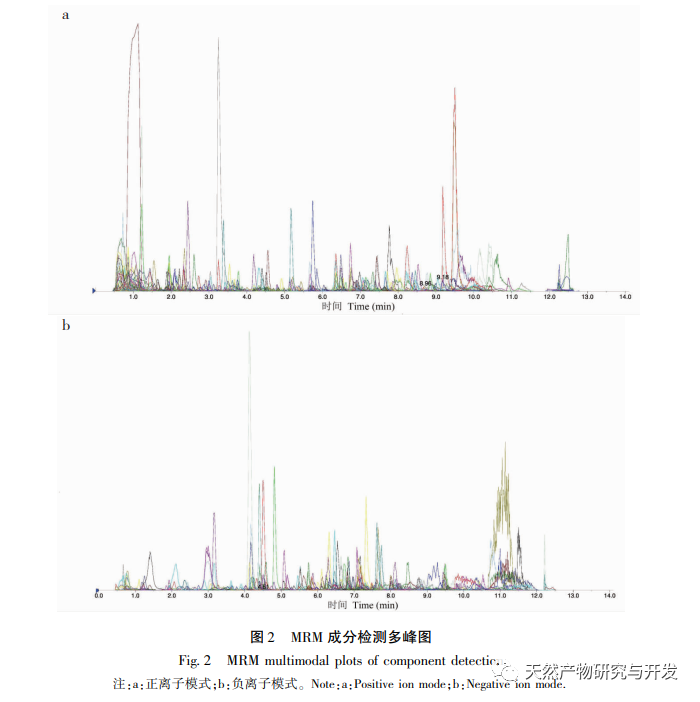
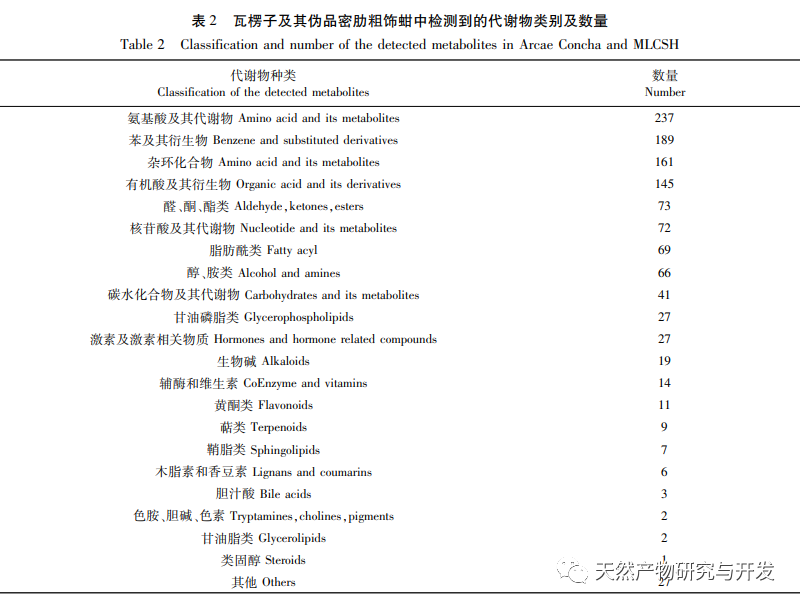
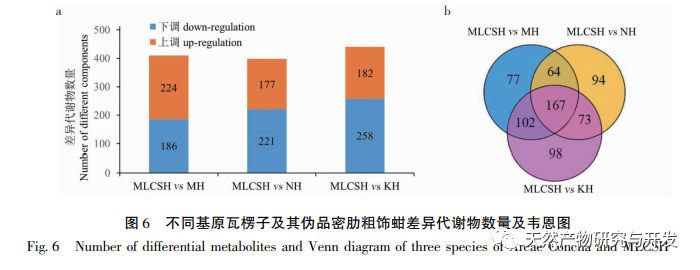
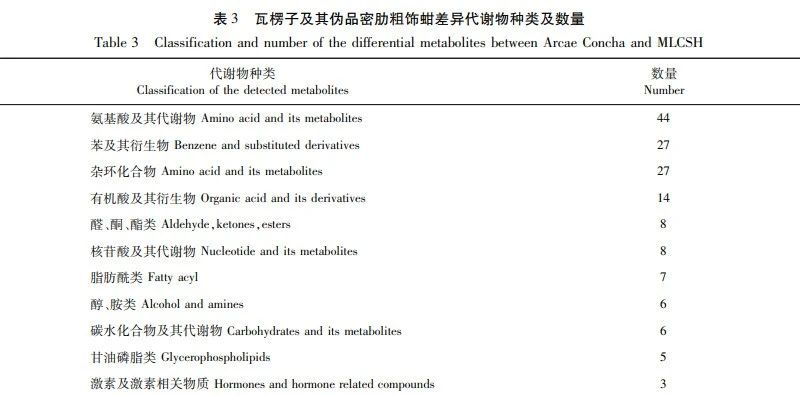
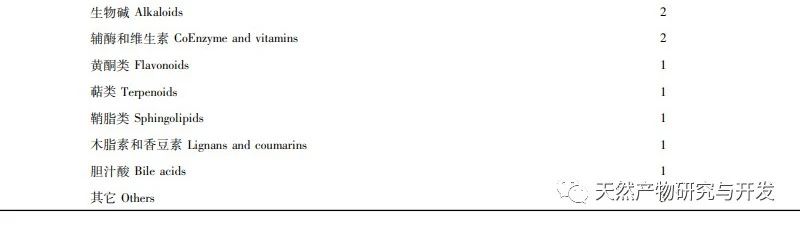
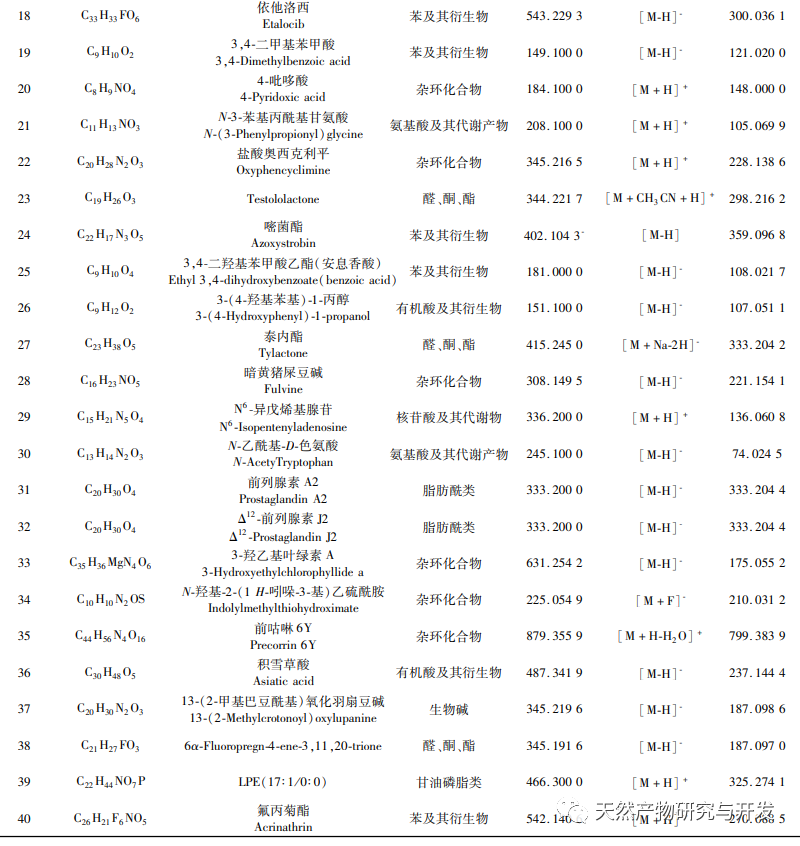
The research on the pharmacological substance basis and mechanism of action of corrugated seeds is weak. In this study, for the first time, wide target metabolomics technology was used to comprehensively analyze the metabolic components in corrugated seeds and their counterfeit products, and a total of 1208 metabolites from 22 categories were detected. Mainly including amino acids and their metabolites, benzene and its derivatives, heterocyclic compounds, organic acids and their derivatives, aldehydes, ketones, esters, nucleotides and their metabolites, etc., the material basis has been preliminarily elucidated.
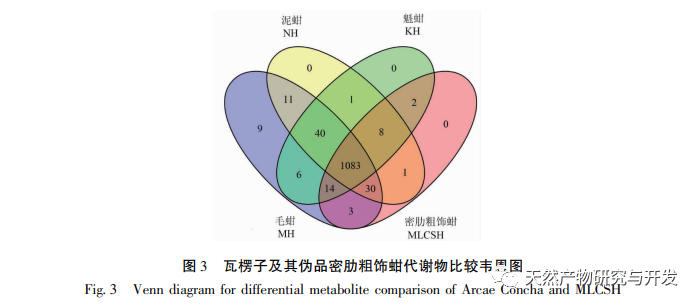
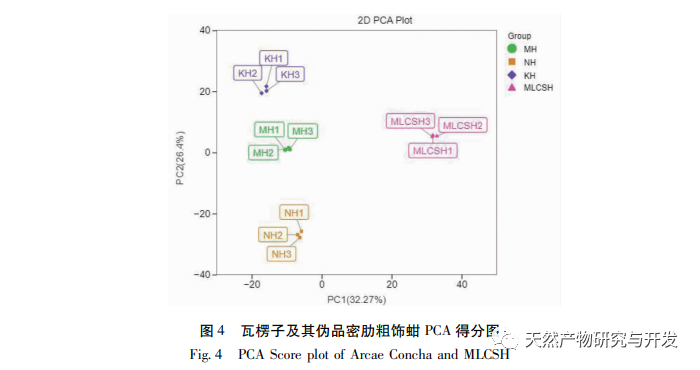
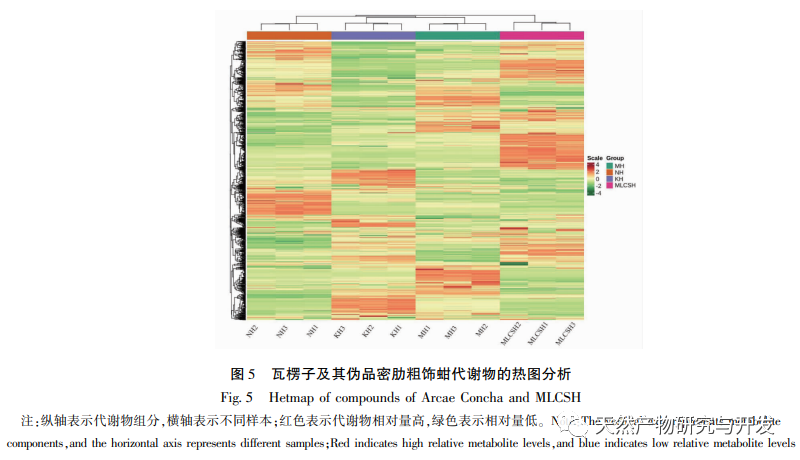
In the early stage, the research group compared traditional indicators such as calcium carbonate content, Ca2+content in decoction, water-soluble extract content, pH value of water extract, and total amino acid content of corrugated seeds and their mixed products, and the results showed no significant differences; Differential thermal analysis, X-ray diffraction, and X-ray fluorescence were used for systematic comparative analysis, and the results still showed no significant differences. This study analyzed the metabolic components of its authentic and counterfeit products, including a total of 1083 metabolic components and 167 differential metabolites, indicating that the organic components of each sample were the same, but there were also differences. PCA and clustering heatmaps showed that the three authentic original samples could be grouped together, while the counterfeit products were grouped separately, indicating that the wide target metabolic analysis method has good reference value for the identification of authentic and counterfeit shellfish traditional Chinese medicine.
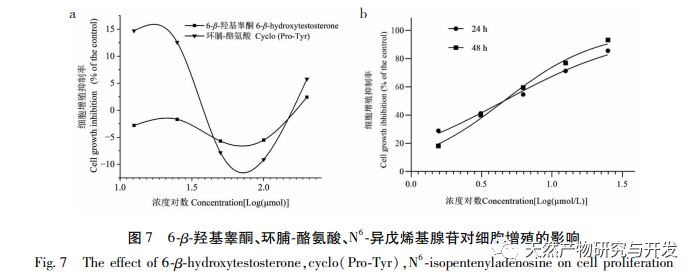
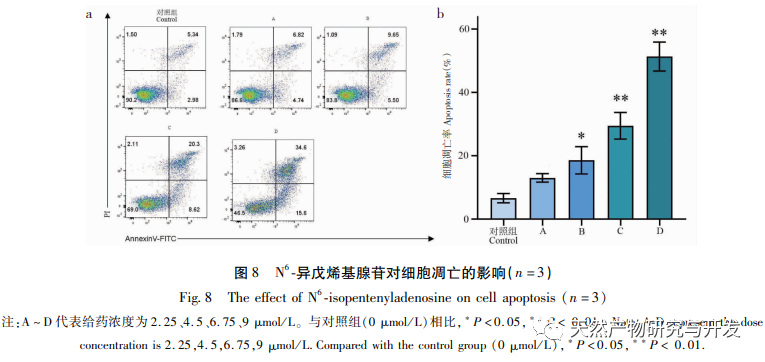
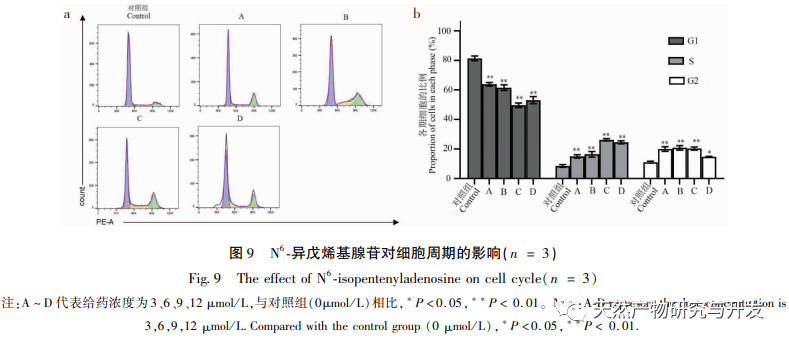
This experiment detected 72 nucleotides and their metabolites, including N6 isopentenyl adenosine, adenosine, etc. Nucleoside substances play an important role in the efficacy of animal drugs. Modern research has shown that nucleoside components have effects such as relaxing bronchial smooth muscle, antihistamines, anti asthma, antibacterial, anti platelet aggregation, calming central nervous system, and anticonvulsant. Among them, N6 isopentenyl adenosine is a potential emerging anti-cancer drug. Research has shown that after treatment with 10 μ mol/L N6 isopentenyl adenosine, the clonogenic activity in 8 human epithelial cancer cell lines is completely inhibited. Adenosine can inhibit the proliferation of gastric cancer MGC-803 cells and promote apoptosis, while endoplasmic reticulum stress may be involved in adenosine induced apoptosis. Cell validation experiments have shown that N6 isopentenyl adenosine can promote cell apoptosis and inhibit cell proliferation by blocking the cell cycle in the S and G2 phases. And N6 isopentenyl adenosine is significantly upregulated in the authentic product, which is expected to serve as a potential quality marker for distinguishing between genuine and counterfeit corrugated products. Indicating that nucleoside substances may be an important component of the pharmacological substance basis for the “dispelling phlegm and removing blood stasis, softening hardness and dispersing nodules” of corrugated seeds.
This experiment detected 237 amino acids and their metabolites, including 134 small peptides, including 12 cyclic dipeptides (CDPs). Modern research has shown that CDPs have universal biological activity and strong anti-tumor effects, with inhibitory effects on the growth of various cancer cells. Cell proliferation experiments showed that cyclic tyrosine had no significant inhibitory effect on the proliferation of TPC-1 cells, and further exploration should be conducted in the future.
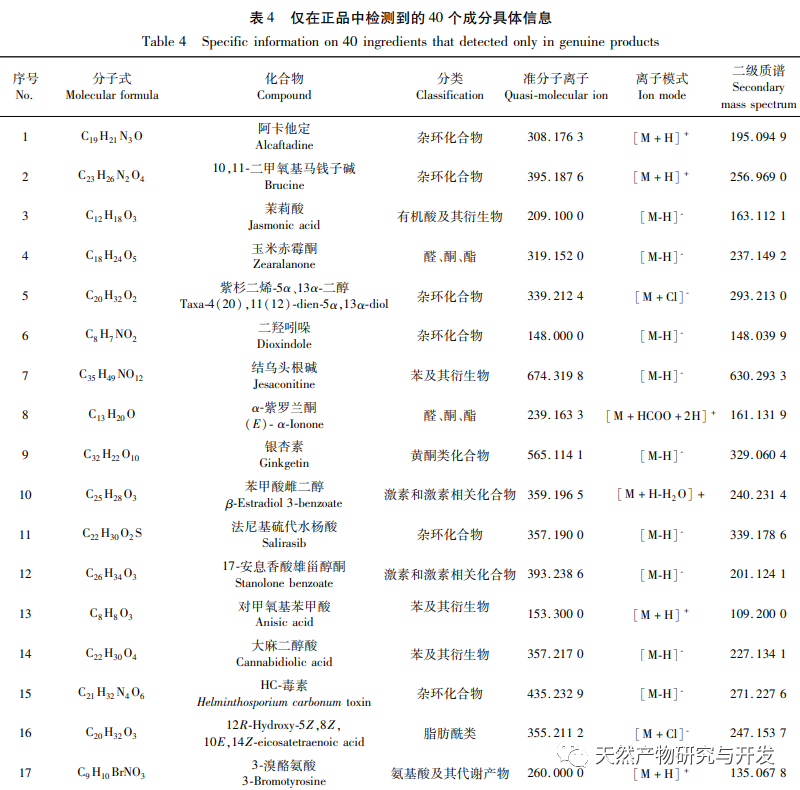
There are 40 metabolites in the authentic products but not in the counterfeit products. Among them, estradiol benzoate has an inhibitory effect on the occurrence of breast cancer, and its mechanism of action is related to the regulation of estrogen receptor ER α and Er β. HC toxin has a significant anti proliferation effect on human breast cancer T47D cells. Farnesyl thiosalicylic acid is a RAS and mammalian rapamycin target protein (mTOR) inhibitor, which can inhibit the growth and proliferation of tumor cells. These three substances are expected to serve as potential quality markers for corrugated materials.
Due to the weak research foundation of shellfish traditional Chinese medicine and the lack of reference materials and databases, the qualitative analysis of its substances is difficult. During differential metabolite analysis, it was found that some metabolites, such as ginkgolide and oxalic acid, mainly exist in plants. Further exploration is needed to determine their true sources. Subsequently, the detected components should be confirmed with reference standards to improve qualitative accuracy.
 English
  Danish
  German
  Hungarian
  French
  Russian
  Spanish
  Turkish