
Research progress on secondary metabolites of Aspergillus niger from different habitat sources
Aspergillus versicolor is a common strain of Aspergillus, widely distributed in various ecological environments such as air, ocean, soil, and flora and fauna. It can contaminate various agricultural products and food, and cause skin diseases in animals. In recent years, a large number of studies have shown that Aspergillus niger produces abundant secondary metabolites with diverse chemical structures, making it a natural chemical resource pool. According to PubMed search, significant progress has been made in the study of secondary metabolites and their biological activities of Aspergillus niger from 2017 to July 2022. This article provides a review of the research on secondary metabolites of Aspergillus niger from marine, higher plant, mangrove, and animal habitats, providing guidance for the further development and utilization of Aspergillus niger chemical resources.
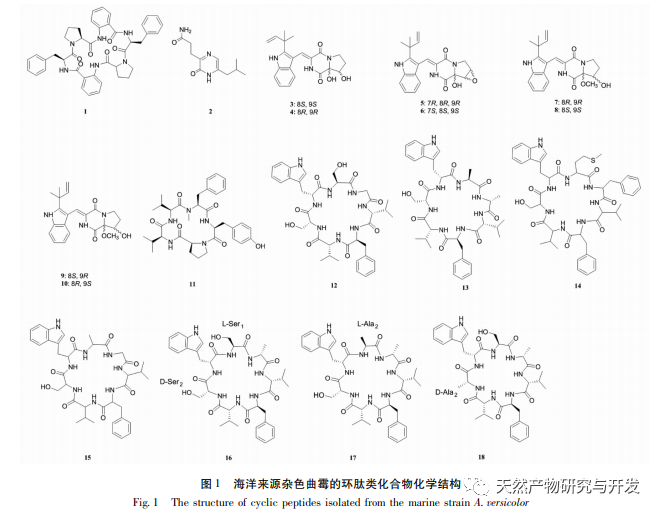
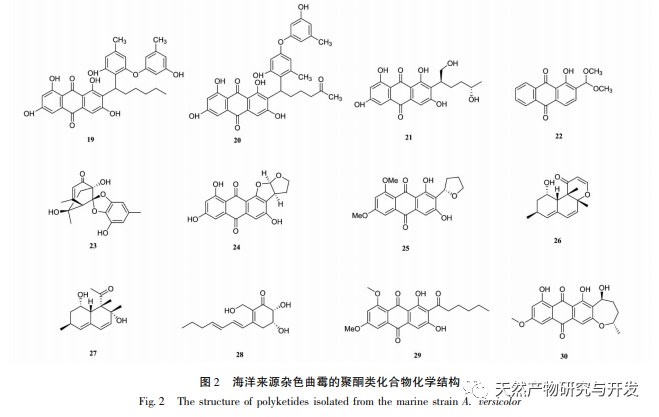
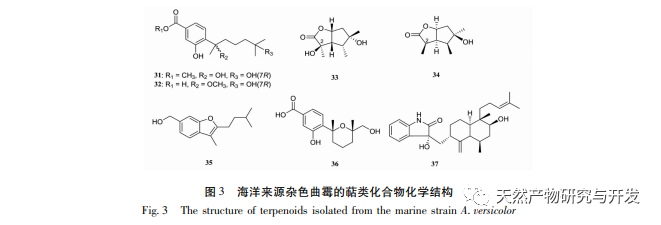
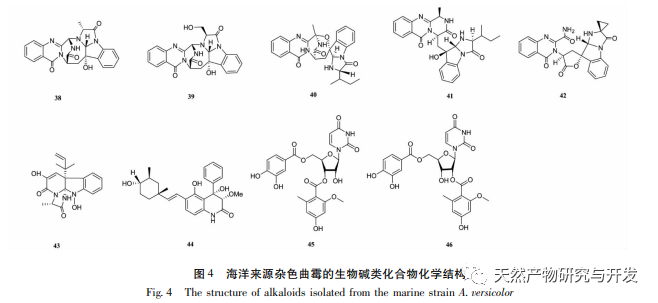
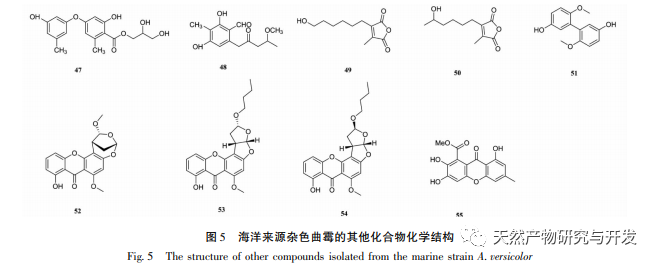
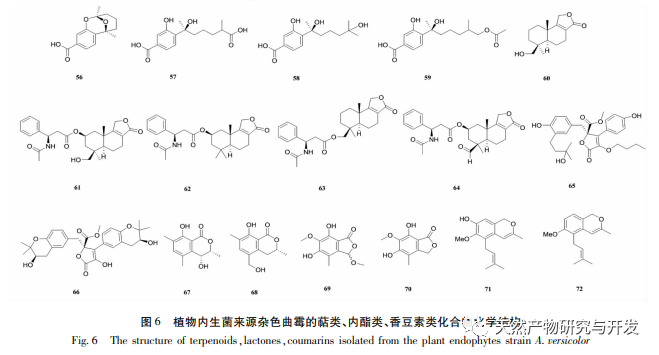
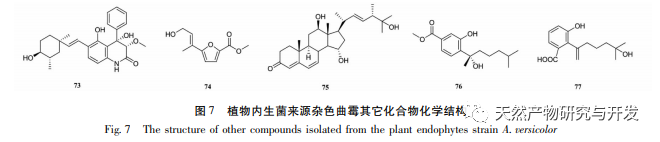
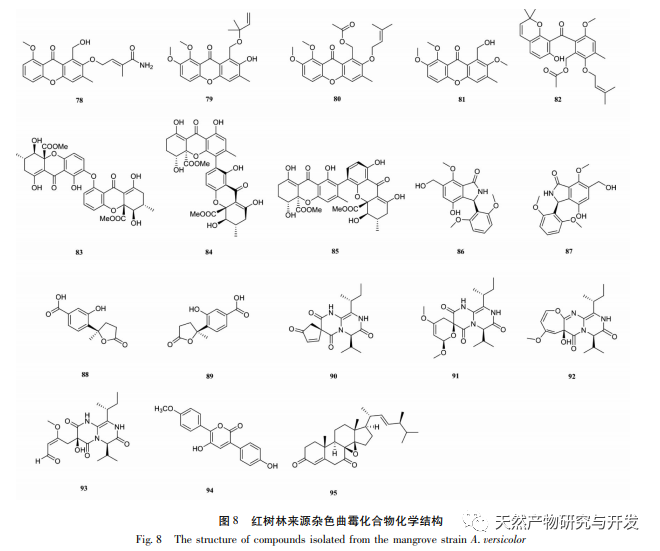
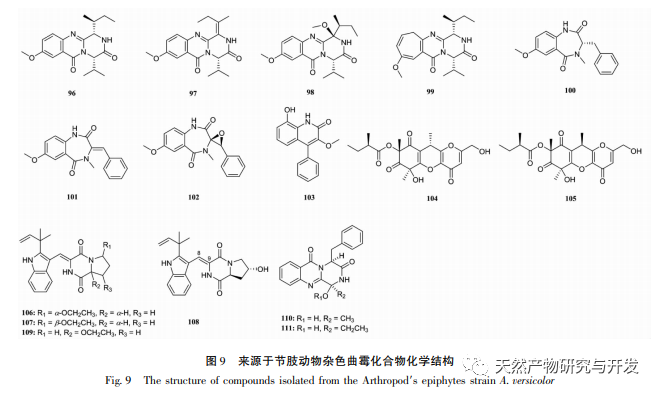
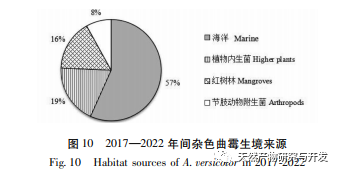
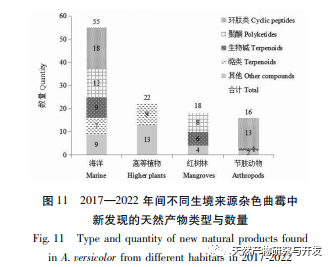
This article summarizes the secondary metabolites of Aspergillus niger from different habitats such as the ocean, higher plants, mangroves, and arthropods in recent years (see Figure 10). A total of 325 compounds were isolated from 37 strains of bacteria, of which 111 were new natural products (see Figure 11), including cyclic peptides, alkaloids, terpenes, polyketones, and other structural types, with antibacterial, antioxidant, anti-tumor, antiviral and other activities. These studies indicate that the secondary metabolites of Aspergillus niger from different habitat sources are significantly different. Different habitat sources of Aspergillus will activate different biosynthetic pathways due to differences in their living environments, causing changes in their metabolic mechanisms and pathways, resulting in more habitat specific and structurally diverse secondary metabolites. Microbial secondary metabolites are important resources for the discovery of new drugs such as antibiotics, enzyme inhibitors, anti-tumor drugs, and antiviral drugs. However, due to the difficulty of artificially cultivating microorganisms in nature, over 90% of microorganisms have not yet been isolated, making it increasingly difficult to develop new types of naturally active microbial substances using microorganisms. The summary of this article indicates that the same strain of bacteria can also produce diverse secondary metabolites from different habitats, which has great reference value for the study of microbial natural products. In addition, molecular biology research has shown that many secondary metabolic gene clusters in microorganisms are silenced and not expressed. How to activate these silenced gene clusters to fully utilize limited microbial resources is also an important scientific issue. The diversity of secondary metabolites of Aspergillus niger from different habitat sources provides us with good research materials. In the future, we should further study the molecular mechanism of the growth environment of Aspergillus niger affecting product diversity, and provide guidance for the development of natural products from other microorganisms.
 English
  Danish
  German
  Hungarian
  French
  Russian
  Spanish
  Turkish