
Research progress on chemical components and pharmacological effects of Asarum and prediction analysis of quality biomarkers
Asarum heterotropoides Fr. Schmidt var. mandshuricum (Maxim.) Kitag Seoul Asarum sieboldii Miq The dried roots and rhizomes of var. seoulense Nakai or Asarum sieboldii Miq. are produced in Shandong, Anhui, Zhejiang, Jiangxi, Henan, Hubei, Shaanxi, Sichuan and other places. Asarum is warm in nature, pungent in taste, and can regulate the three meridians of the heart, lungs, and kidneys. It has the effects of relieving external heat, dispelling cold, dispelling wind, and relieving pain. It is used to treat symptoms such as phlegm and cough, wind cold cold cold, rheumatism and rheumatism, and has a medicinal history of more than 2000 years. Research has found that Asarum has the highest content of volatile oil components and is also rich in components such as lignans and flavonoids. However, in the current national standards, the liquid chromatography determination of Asarum based on volatile oils and Asarin as indicators cannot comprehensively and effectively control its quality. This article reviews the chemical composition and pharmacological effects of Asarum using databases such as PubMed, PubChem, CNKI, and TCMSP. Based on the basic principles of determining the quality marker (Q-Marker), the Q-Marker of Asarum is predicted and analyzed, in order to provide ideas for improving the quality standards of Asarum and further in-depth research.
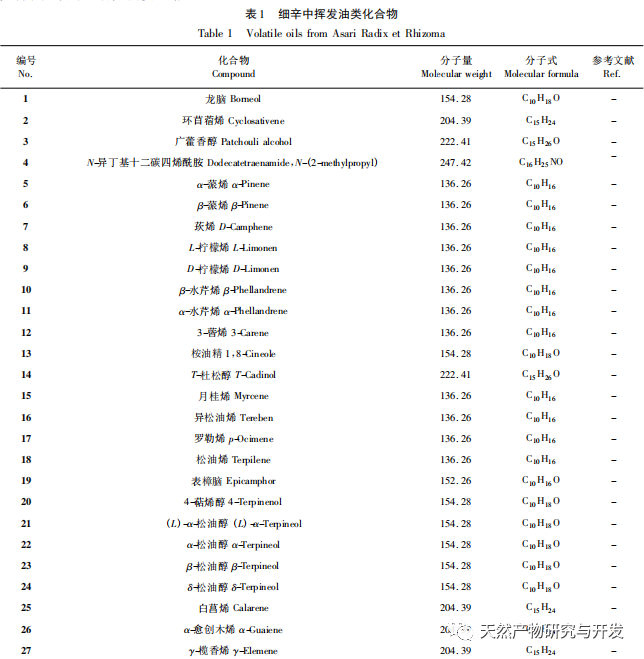
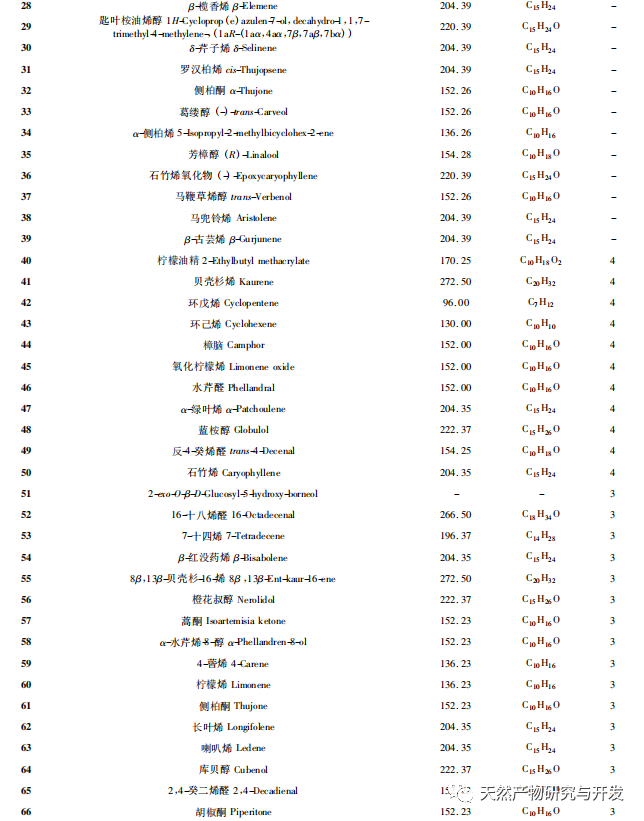
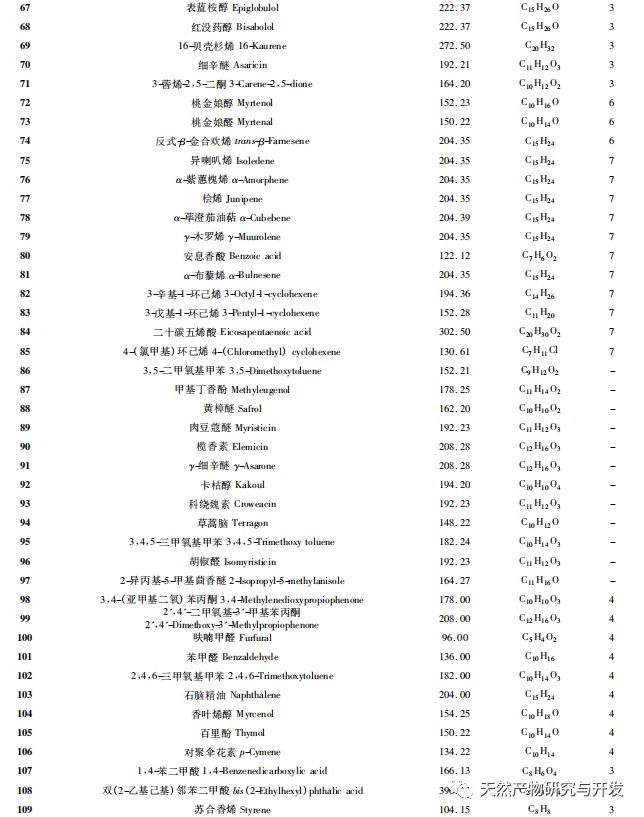
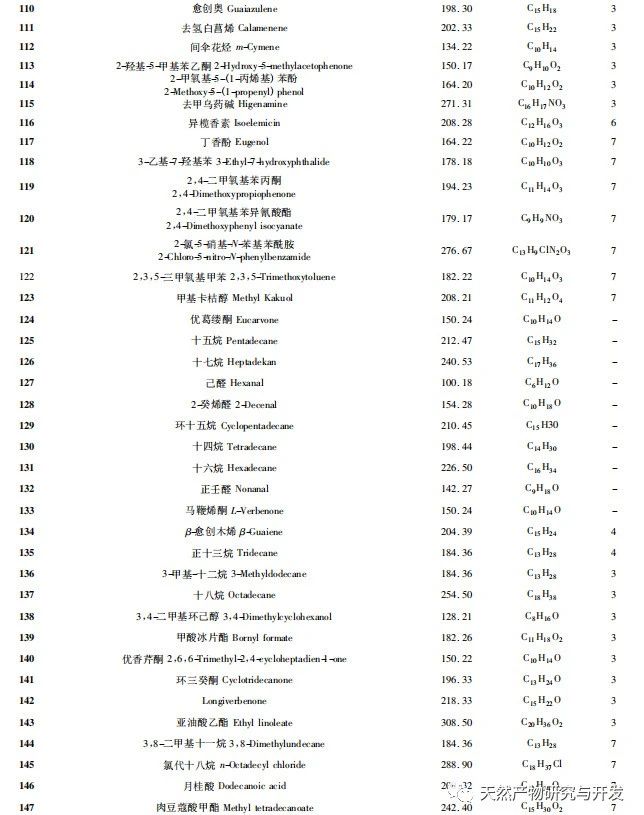
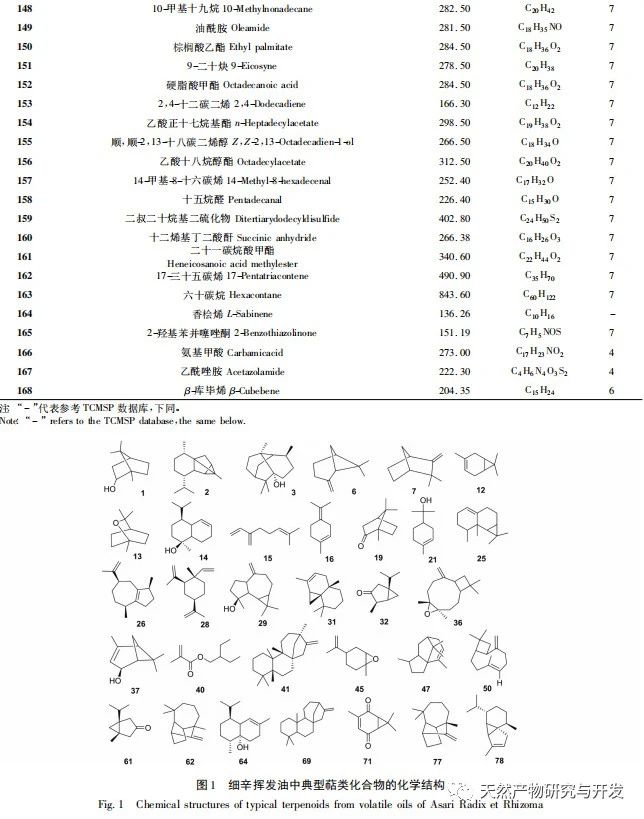
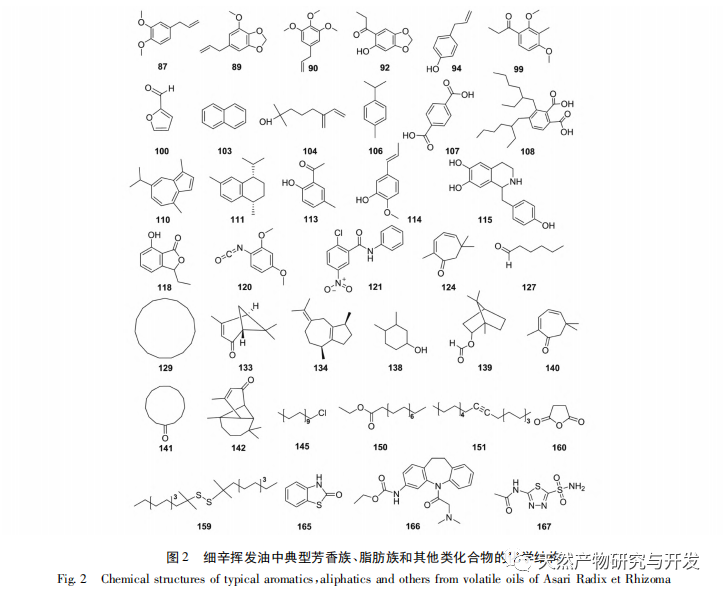
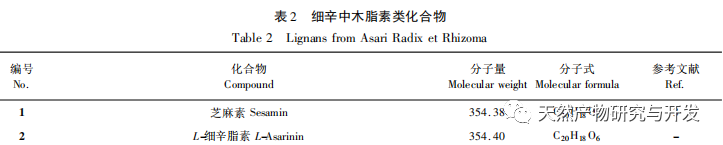
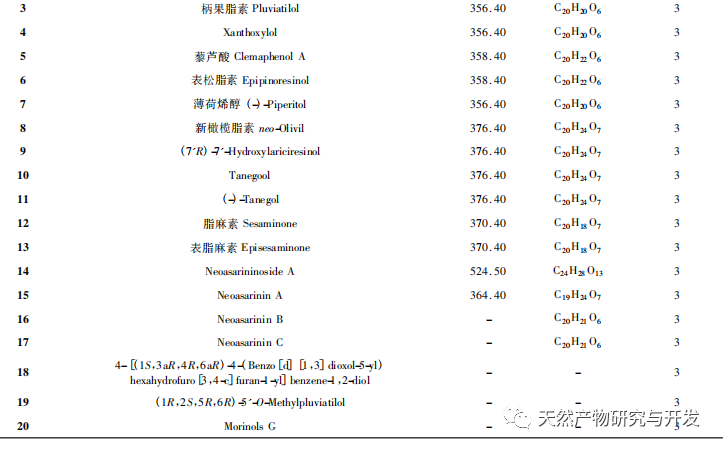
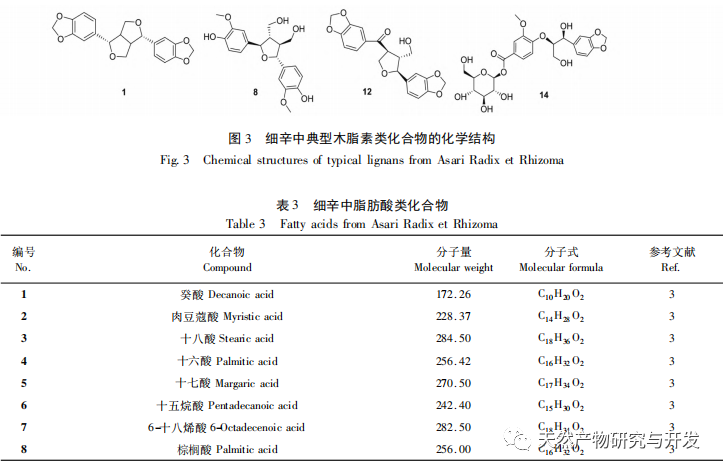
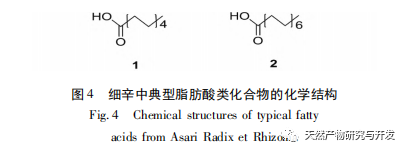
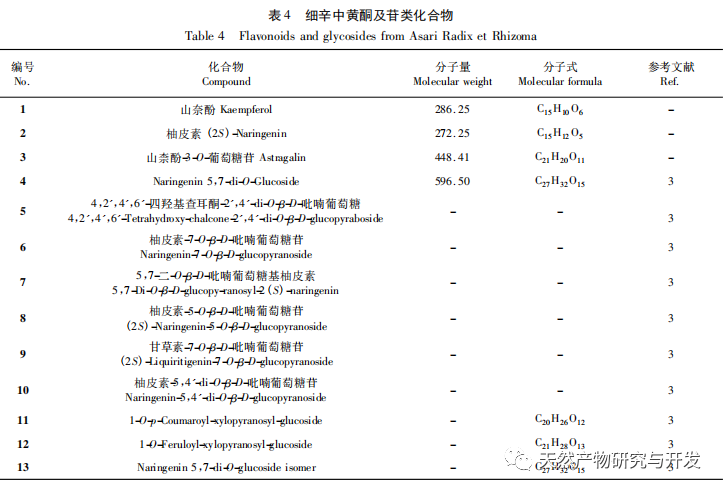
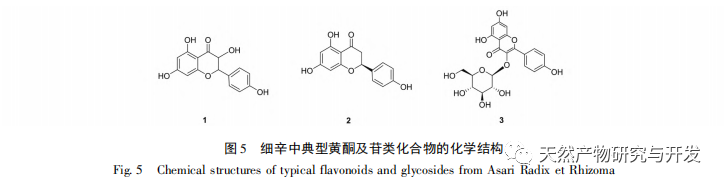 As one of the traditional surface clearing drugs, Asarum has a wide range of applications in medicine. Due to the particularity of its aristolochic acid composition, Asarum has also been controversial in its application. At present, research on Asarum both domestically and internationally mainly focuses on its chemical composition, pharmacological effects, and toxic effects, and new pharmacological effects have also been discovered. However, research on the chemical composition of Asarum mainly focuses on volatile oils and a few lignans, with less research on other components. The efficacy of Asarum is the result of the combined action of multiple components. At the same time, there is a lack of theoretical basis for the establishment of quality standards for Asarum, pharmacokinetic studies, and in-depth exploration of different sources of Asarum. In subsequent research, it is recommended to use metabolomics methods to study the changes in the material basis of various source plants of Asarum, and to further investigate the correlation between its active substances and pharmacological effects; Study the changes in the composition of Asarum before and after its addition through changes in clinical compatibility efficacy, and deeply analyze the correlation between efficacy and composition. On this basis, establish a quality analysis and evaluation method for Asarum, in order to establish a quality control and traceability system for Asarum, which is helpful for the rational development and use of Asarum.
 English
  Danish
  German
  Hungarian
  French
  Russian
  Spanish
  Turkish