Study on Alkaloids from Purple Osmanthus Plants from Different Regions
Papaveraceae and Corydalis plants in the family Papaveraceae have various medicinal values. In traditional Chinese medicine, they are often used for clearing heat, detoxifying, dehumidifying, and relieving pain. In Tibetan medicine and Zhuang medicine, they are recorded to have the effect of treating diseases such as vasculitis, enteritis, five organ heat syndrome, and alpine hyperuricemia. The main active ingredients of plants in the genus Corydalis are isoquinoline alkaloids, as well as organic amines, isoindoles, and other alkaloids. Among them, protoopioids and protoberberine are widely distributed in Corydalis plants and have a wide range of biological activities. In addition to alkaloids, there are also flavonoids, triterpenoids, and phenolic compounds in plants of the genus Corydalis. The two widely used plants in the genus Corydalis are Corydalis yanhusuo W. T. Wang and Corydalis decorens (Thunb.) Pers. Both have the functions of promoting qi and relieving pain, activating blood circulation and dispersing blood stasis, and relaxing muscles and collaterals. Gao et al.’s research has shown that the analgesic related active substances in Corydalis yanhusuo are mainly concentrated in tertiary amine alkaloids. In recent years, it has been found that alkaloids in the genus Corydalis have many other activities, such as Yao et al.’s discovery that tetrahydro Corydalis derived from Corydalis yanhusuo has the effect of improving cognitive and memory impairment in AD mice; The extract of Corydalis dulis Maxim can alleviate the acute liver injury induced by carbon tetrachloride.
Corydalis shereri S. Moore has the effects of clearing heat, detoxifying, promoting blood circulation, and relieving pain. There are no literature reports on its specific ingredients, and there are many species and complex components of Corydalis plants. Currently, there are still many unknown components of Corydalis plants, and most pharmacological studies on its effects focus on the high content of Corydalis yanhusuo and protopanaxate. Therefore, the author used HPLC method to determine the content of protopanaxate in different regions of Corydalis plants, acid dye colorimetric method to determine the total alkaloid content, and UP-LC-Q-TOF-MS method to analyze the alkaloid components of the aboveground part of Corydalis plants, in order to provide theoretical basis for the quality control of Corydalis plants and the development of resources of Corydalis medicinal materials.
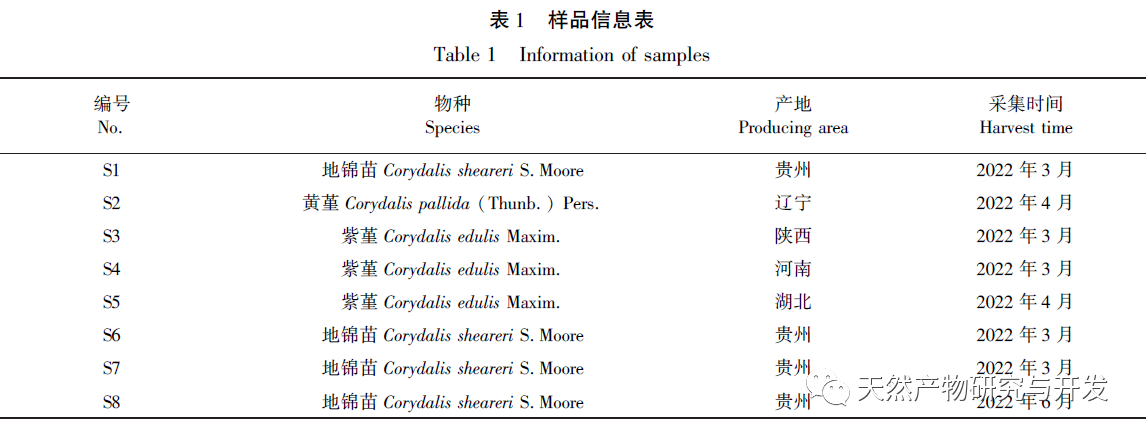
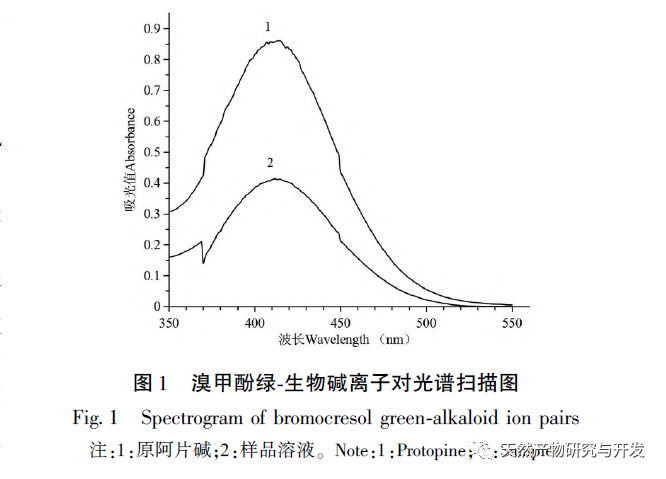
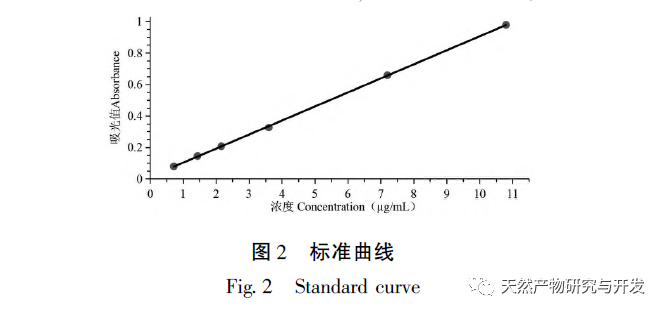
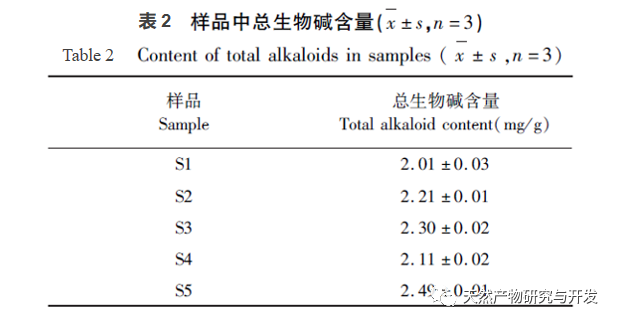
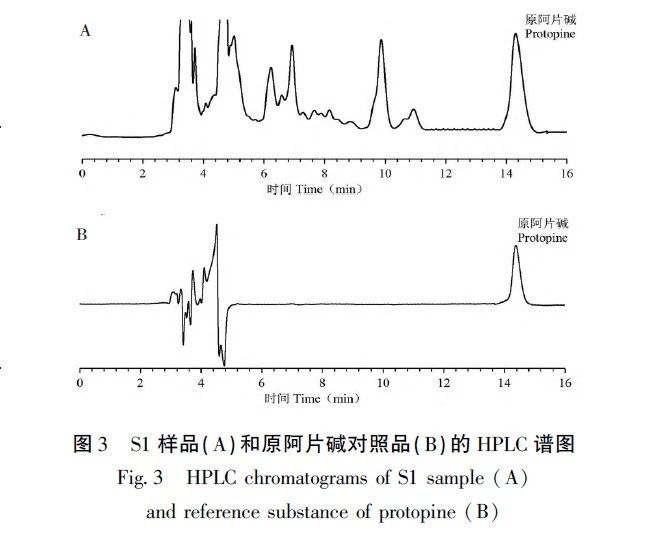
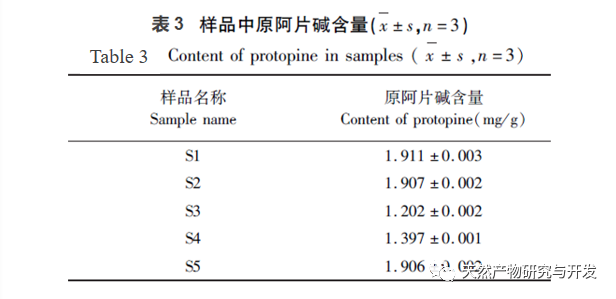
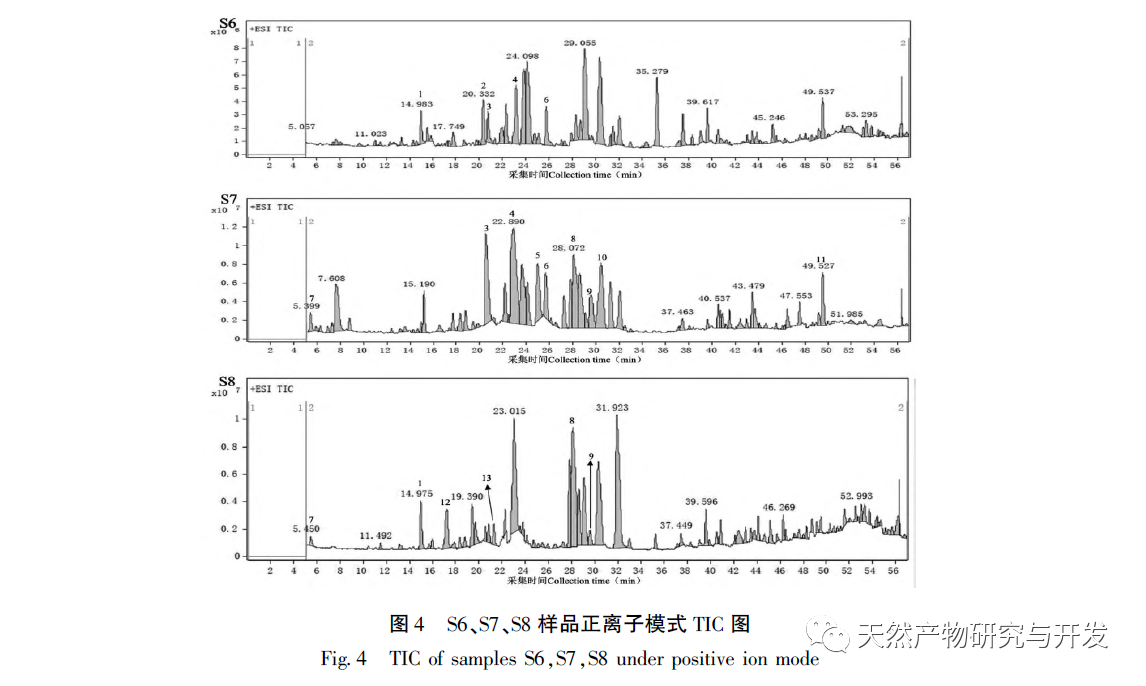
This article analyzes the content of primary opioid alkaloids and total alkaloids in the aboveground parts of Corydalis plants from five different origins. The range of primary opioid alkaloid content is 1.202-1.911mg/g, and the range of total alkaloid content is 2.01-2.49mg/g. In addition, eight types of alkaloids were identified from the aboveground parts of Dijin seedlings in this article. Among them, 2 types of aldehyde alkaloids, such as linaloodine alkaloids, were first discovered in Corydalis plants in China. This alkaloid mainly exists in poppy and poppy plants in the genus Papaveraceae, and there are few reports on Corydalis plants in the genus Corydalis. This alkaloid has been found in Corydalis crispa plants in Bhutan.
At present, there are many types of medicinal plants in the genus Corydalis, and there are significant differences in the names and origins of various medicinal herbs recorded in different literature. Phenomena such as “same species but different names” and “same named foreign objects” are prominent. Therefore, it is necessary to clarify the chemical composition and effective ingredient content of plants, and improve the quality standards of medicinal herbs. Original alkaloids and their similar structural alkaloids have been found in 74 species of plants in the genus Corydalis. Therefore, this study determined the content of original alkaloids and total alkaloids, and used UPLC-Q-TOF-MS method to explore the alkaloid components in Dijin seedlings, providing a theoretical basis for the quality control and development of Corydalis medicinal materials.
 English
  Danish
  German
  Hungarian
  French
  Russian
  Spanish
  Turkish