
Identification of phenylethanolic glycosides from stinky peony and mechanism study of in vitro anti human lung adenocarcinoma A549 cells
Lung cancer is a malignant tumor that occurs in the bronchial mucosa and glands. According to the data provided by the National Cancer Center, in 2022, the incidence rate of lung cancer in China will be 10.6%, and the mortality rate will be 24%, accounting for the first place in the mortality rate of malignant tumors in China, and the proportion of female patients will increase year by year and tend to be younger. Traditional Chinese medicine, due to its multi-component and multi-target advantages, can delay tumor progression, enhance tumor cell sensitivity to radiotherapy and chemotherapy, reduce postoperative infections, and minimize adverse reactions caused by radiotherapy and chemotherapy through various pathways, thereby achieving the goal of preventing and treating tumor recurrence and metastasis, and long-term stable tumors. Stinky Peony is an effective traditional Chinese medicine discovered in Hunan folk medicine for the treatment of malignant tumors, and has been selected through more than 40 years of repeated clinical and scientific research practice. Stinky peony has a mild nature, pungent and bitter taste, and has the effects of “dispelling wind and dampness, detoxifying and dispersing blood stasis, reducing swelling and pain”. It is widely used in the treatment of various tumors in the Hunan region, especially lung cancer. However, the effective ingredients and mechanisms of stinky peony in anti-tumor treatment are not yet clear. In the preliminary experiments of the research group, it was found that Paeonia lactiflora is rich in phenylethanolic glycosides and has good anti-tumor activity. In this study, we will further identify the phenylethanolic glycosides in Paeonia lactiflora and explore their mechanism of inhibiting A549 cell proliferation in vitro, in order to further study the anti-tumor effect and mechanism of Paeonia lactiflora phenylethanolic glycosides and lay the foundation for the development of efficient and low toxicity traditional Chinese medicine preparations.
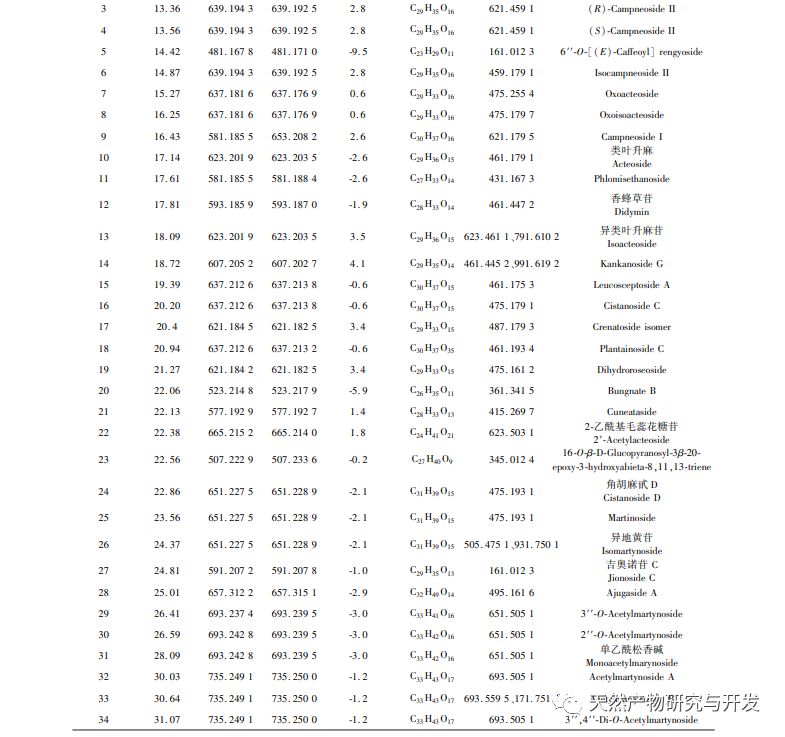
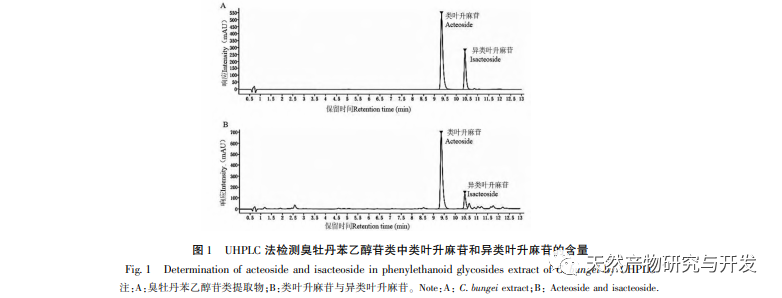
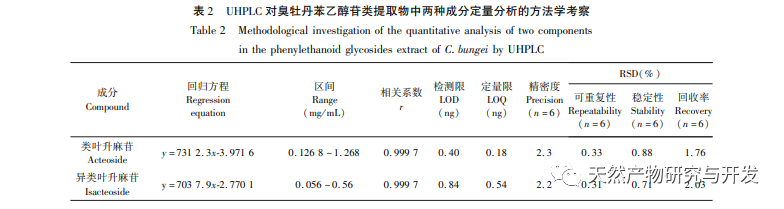
 Lung cancer is a malignant tumor that occurs in the bronchial mucosa and glands, belonging to the categories of “lung accumulation” and “lung rock” in traditional Chinese medicine. Contemporary medical experts believe that the continuous increase of lung cancer is due to environmental pollution or long-term smoking, which leads to the accumulation of toxic pathogens in the lungs. The qi movement of the lungs is disrupted, and the combination of toxins and qi and blood leads to lung accumulation over time. The most basic pathological mechanism is the consolidation of cancer toxin, phlegm, and blood stasis, with a combination of deficiency and excess being the main pathological changes. Drawing on the experience of Professor Ouyang Qi, a renowned traditional Chinese medicine practitioner and inheritor of the Hu Xiang Ouyang’s miscellaneous disease school, in treating lung cancer and preventing postoperative recurrence, we believe that the etiology and pathogenesis of lung cancer are due to the invasion of pathogenic toxins, insufficient positive qi leading to the loss of lung function, accumulation of phlegm and stagnation over time, resulting in a deficiency of both qi and blood yin and yang in the body, ultimately leading to the occurrence of lung cancer. The main pathogenesis of lung cancer is characterized by the accumulation of pathogenic factors such as pathogenic factors, phlegm, coagulation, and toxin, as well as qi stagnation and blood stasis. The treatment principle is to detoxify and remove blood stasis, eliminate phlegm and disperse nodules. Stinky peony is the stem and leaf of Clerodendrum bungei Steud, a plant in the family Verbenaceae. It is widely distributed in China and has abundant medicinal resources. Its nature is calm, with a pungent and bitter taste. Ancient literature records that it has the functions of “dispelling wind and dampness, detoxifying and dispersing blood stasis, reducing swelling and relieving pain”, which is in line with the treatment principle of “detoxifying and removing blood stasis, eliminating phlegm and dispersing nodules” for lung cancer. Research has shown that both the stinky peony compound and its extract have good anti-tumor activity, especially the best anti-tumor activity against lung cancer. In the preliminary research, the research team conducted multiple liquid quality analyses on the decoction and different extracted components of stinky peony, and found that the main components of stinky peony are phenylethanolic glycosides, among which the main components are leaf like and heterogeneous leaf like glycosides. After experimental screening and demonstration, it was found that the phenylethanolic glycosides of stinky peony have good anti-tumor effects. Therefore, it is speculated that the phenylethanolic glycosides, mainly composed of leaf like and heterogeneous leaf like glycosides, may be the main components of stinky peony’s anti-tumor effects.
EphA2 is the main member of the Eph family, the largest subfamily of receptor tyrosine kinases (RKTs), and is overexpressed in various malignant tumors, especially in tumors with high malignancy and strong invasion and metastasis ability, and is involved in the invasion and metastasis of lung cancer. Research has found that EphA2 receptors are significantly expressed in lung cancer patients and lung cancer cell lines, and the higher the expression level, the worse the prognosis of patients. In lung cancer tissue, a mutation in phosphorylated EphA2 S897 in epidermal growth factor (EGFR) was observed, and exon 19 deletion was found on the cell membrane. EphA2 exerts biological effects in two forms: ligand dependent and ligand independent. On the one hand, when the ligand EphrinA1 binds to the EphA2 receptor, EphA2 undergoes internalization and is subsequently degraded through ubiquitination; At the same time, EphA2 is activated by tyrosine kinase for phosphorylation, while EphA2 S897 site is dephosphorylated, thereby inhibiting signaling pathways such as PI3K/ATK and Ras/MAPK, exerting ligand dependent antitumor effects. On the other hand, when the ligand EphrinA1 is low expressed and EphA2 is high expressed, EphA2 is phosphorylated and activated through the S897 site, while its tyrosine phosphorylation level decreases, thereby activating the PI3K/ATK/mTOR and Pyk2/c-Src signaling pathways, exerting ligand independent tumorigenic effects. Non ligand dependent EphA2 signaling can promote tumor proliferation and metastasis, enhance tumor drug resistance, and maintain tumor stem cell like characteristics. It can be seen that EphA2 has dual activities of ligand activated anticancer and non ligand activated pro cancer, and the dephosphorylation or phosphorylation of EphA2 S897 site is the switch that controls the two opposite biological effects. The dephosphorylation of EphA2 S897 is related to the ligand EphrinA1, while the phosphorylation on EphA2 S897 is related to ATK, which is the earliest and recognized important factor. ATK phosphorylation is an important factor in EphA2 factor promoting cell migration and invasion, while EphrinA1 ligand binding to EphrinA1 inhibits ATK activation and suppresses tumor cell migration. There are reports that EphA2 is both an upstream negative regulator and a downstream effector of ATK. The activation of the PI3K/ATK/mTOR pathway, coupled with the absence of the ligand EphrinA1s, causes EphA2 to transition from a tumor suppressor to a pro tumor factor that is phosphorylated by ATK and promotes malignant tumor development. According to reports, EphA2 promotes the progression of EMT in gastric cancer cells through the Wnt – β – catenin pathway.
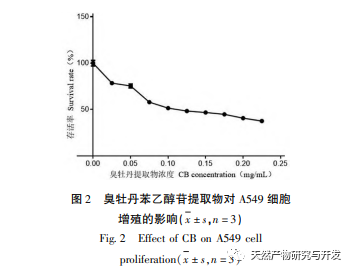
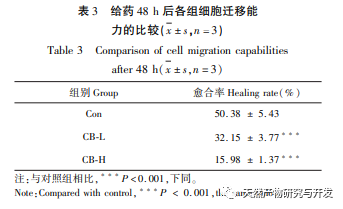
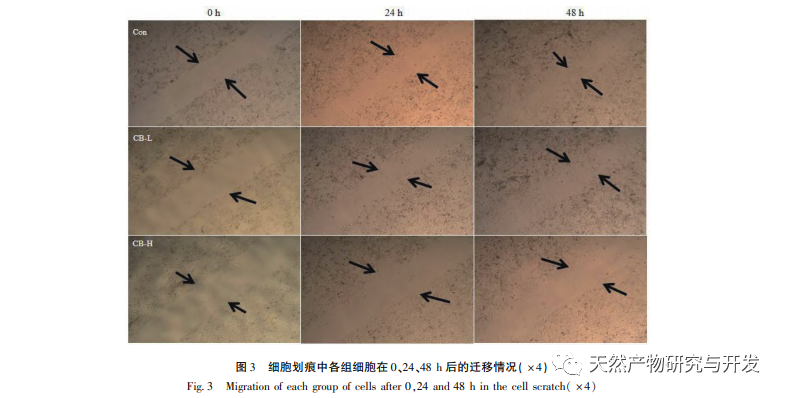
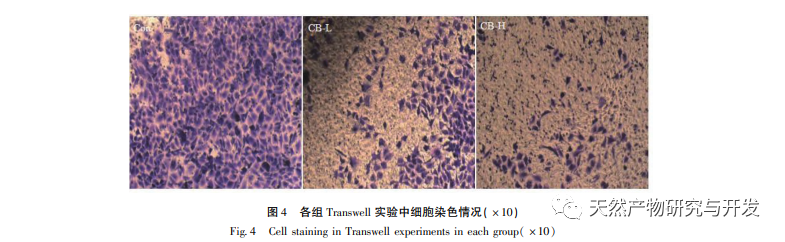
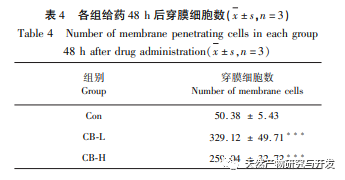
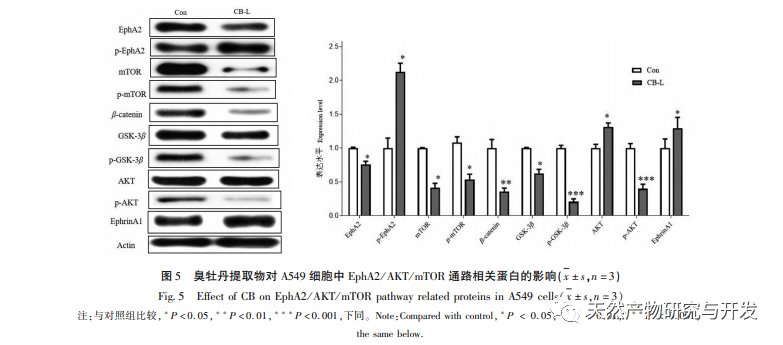
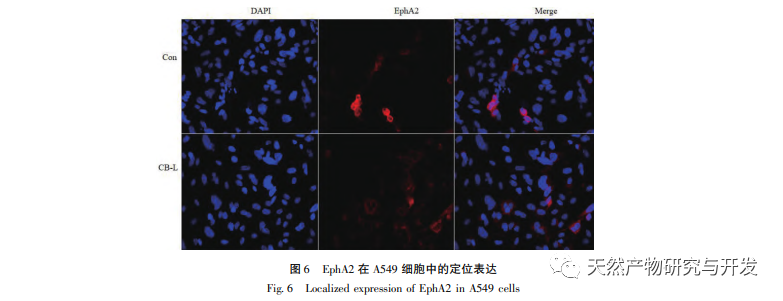
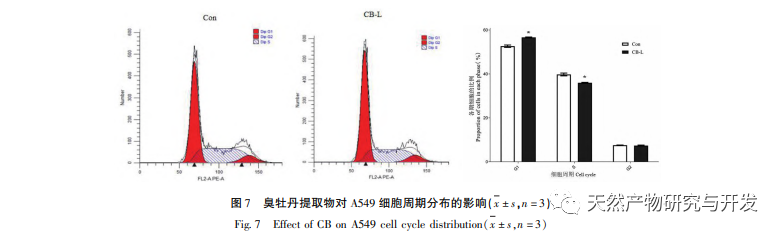
Previous research by the research team has shown that the extract of stinky peony can significantly reduce the expression of EMT related factors Vimentin, Slug, Snail, Twist, and Cmyc in lung cancer, and inhibit the EMT process of lung cancer by regulating the Wnt – β – catenin pathway. In this study, we found that extracts of Paeonia lactiflora phenylethanolic glycosides can significantly inhibit the proliferation, migration, and invasion of A549 cells, as well as suppress the expression of EphA2, mTOR, p-mTOR, β – catenin, GSK-3 β, P-GSK-3 β, and P-ATK proteins. Among them, downregulation of P-ATK is particularly significant, and downregulation of EphA2 protein can also upregulate the expression of EphrinA1. The phenylethanolic glycoside extract of stinky peony can induce the binding of EphA2 with ligand EphrinA1, promote ligand EphrinA1 dependent anti-cancer pathway, and exert antitumor effect by inhibiting EphA2, P-ATK, mTOR and other factors, blocking the EphA2/ATK/mTOR signaling pathway. The increase of P-EphA2 is due to ligand dependence. Although the S897 site on EphA2 undergoes dephosphorylation, EphA2 tyrosine kinase is activated by phosphorylation, so the overall P-EphA2 may be upregulated. But the mechanism of anti-tumor is very complex, and the fate of tumor cells is not determined by a single pathway. This study provides experimental evidence for determining the anti-tumor molecular mechanism of stinky peony and developing highly efficient and low toxicity traditional Chinese medicine extracts targeting EphA2 targets.

 English
  Danish
  German
  Hungarian
  French
  Russian
  Spanish
  Turkish