
Amomum villosum Lour. is a perennial evergreen herbaceous plant belonging to the ginger family and the cardamom genus. Its dried and ripe fruit is a famous traditional Chinese medicine, named “Amomum villosum” or “Spring Sand Kernel”. Yangchun sand has a warm nature and a pungent taste. It has the effects of dispelling dampness, stimulating appetite, warming the spleen, stopping diarrhea, regulating qi, and stabilizing the fetus. It is one of the “Four Great Southern Medicines” in China. Yangchun sand has a history of more than 1300 years of application and is currently mainly distributed in Guangdong, Yunnan, Guangxi, Fujian, Hainan and other places. Yangchun City in Guangdong Province is a real estate area, and its produced Yangchun sand has the best medicinal effect.
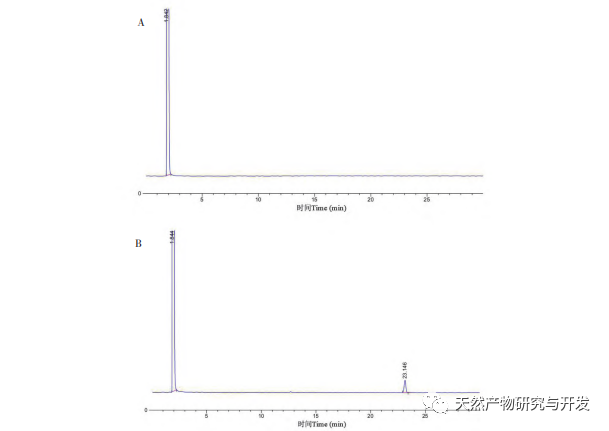
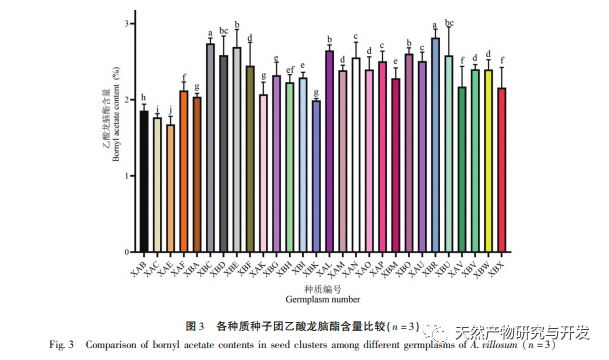
In recent years, the price of authentic Yangchun sand has remained stable at a high level, with a price of over 2000 yuan/kg. The planting area of Yangchun sand in various towns and villages in Yangchun City has also been expanding year by year. However, the yield per unit area of Yangchun sand is still very low, with an average yield of only 7.07kg per mu according to our research group’s statistics. The main problems with authentic Yangchun sand are low production and uneven quality. Therefore, breeding high-yield and high-quality Yangchun sand has become an important issue that urgently needs to be addressed. Volatile oil is the main active ingredient of Yangchunsha, containing chemical components such as camphor, camphene, bornyl acetate, and borneol, among which bornyl acetate is the most important active ingredient. The quality of Yangchun sand can be evaluated by measuring its effective ingredients. This study measured the yield, volatile oil and bornyl acetate content, as well as the characteristic chemical composition map of volatile oil in 28 different production areas within the real estate zone to comprehensively evaluate the advantages and disadvantages of each germplasm, in order to obtain high-yield and high-quality Yangchun sand germplasm.
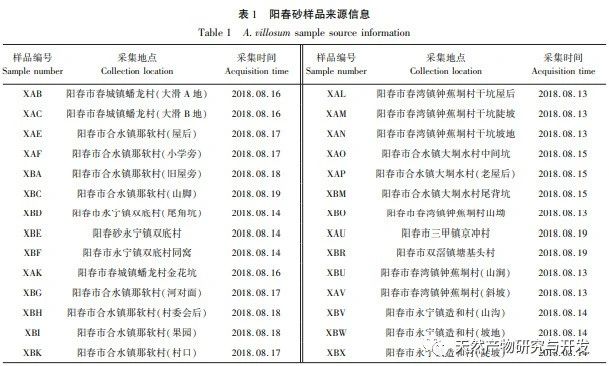
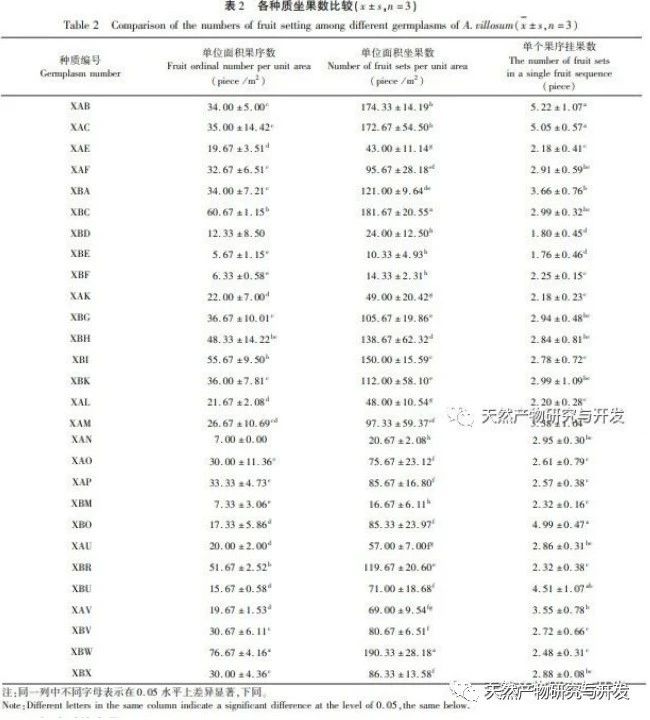
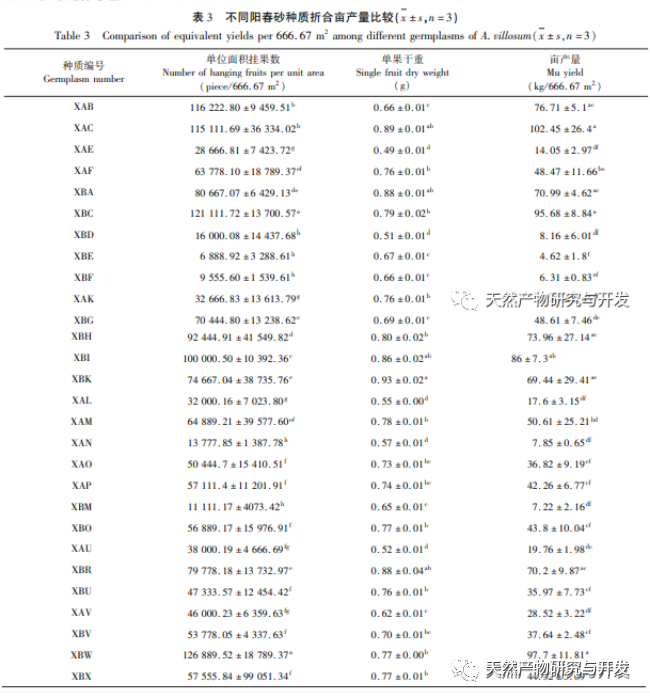
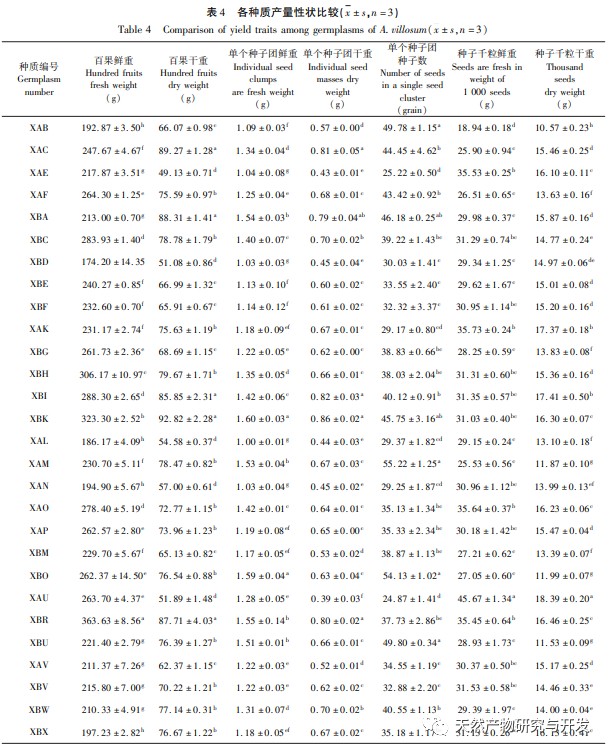
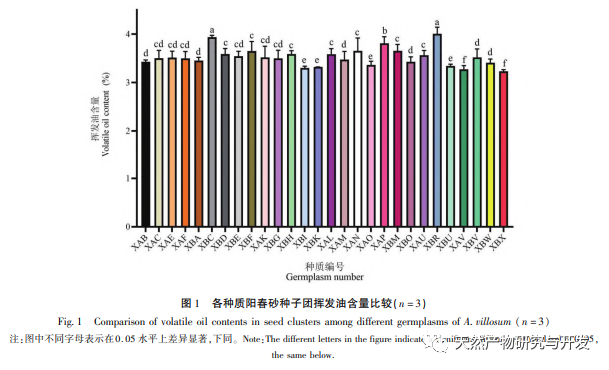
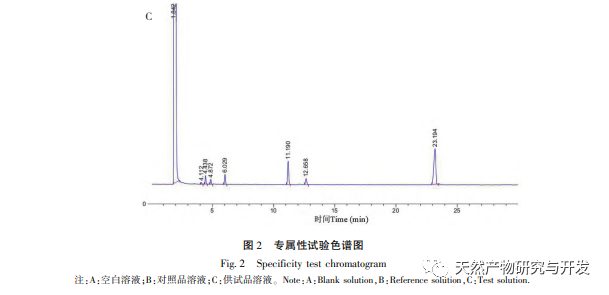
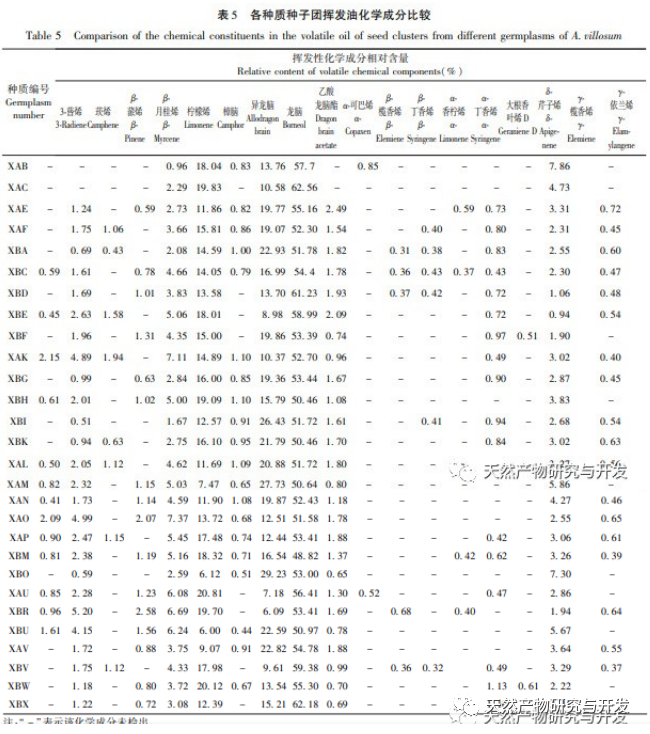
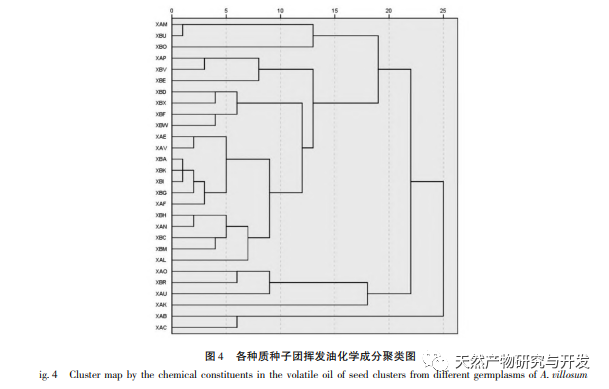
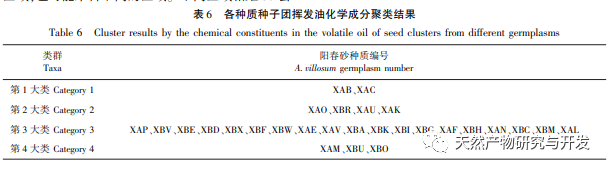
Yangchun sand has a history of over 1300 years of application in China, and after thousands of years of cultivation, it has developed rich genetic diversity in local areas. The significant differences in the chemical composition and content of volatile oils in various seed clusters (see Table 5), as well as the differences in the number of fruits set in a single fruit sequence, that is, the differences in fruit drop rate, indicate that genetic and physiological variations have occurred in various germplasm of Yangchunsha. The differences in the types and contents of chemical components, as well as the differences in fruit drop rates, are closely related to the growth environment and cultivation conditions. However, the growth environment and cultivation conditions of germplasm XAL, XAM, and XAN are similar. They were collected from the adjacent area of Gankeng, Zhongjiaodong Village, Chunwan Town, Yangchun City, with the same cultivation and management measures. However, the fruit drop rate of germplasm XAM is lower than XAL, and the types and contents of chemical components contained are also different from XAL and XAN. The rate of fruit drop is related to the level of gibberellin in the body of Yangchun sand. Their composition and physiological differences are mainly derived from genetic differences. Similar situations include germplasm XAO, XAP, and XBM. The main production of Yangchun sand in China is in Guangdong Province, Yunnan Province, and Guangxi Province. Yunnan Province has the largest cultivation area, reaching 720000 mu, with a total output of 16500 tons in 2020. Yangchun City, Guangdong Province is a genuine production area for Yangchun sand. The quality of genuine Yangchun sand is the best, but the total output in 2020 was only 300 tons, and low yield is the bottleneck for the development of genuine Yangchun sand planting industry. There are three main reasons for low yield: firstly, the mixed germplasm of Yangchunsha, where there are at least two different germplasms in the same planting area; Secondly, the fruit drop rate is very high, up to 70%; Thirdly, the natural fruiting rate is only 1.17%, and it is necessary to rely on artificial pollination to increase yield. Artificial pollination has low efficiency and high labor intensity. During the artificial pollination process, stepping on the ground’s rhizomes can lead to more severe fruit drop, forming a bottleneck for increasing yield. The feasible way to break through the bottleneck of Yangchunsha planting industry development in the real estate area is to cultivate high-yield and high-quality excellent varieties.
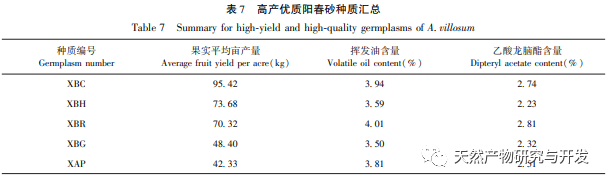
There is currently no unified standard for defining high yield and high quality. In terms of yield, the average yield per mu of genuine Yangchunsha is currently 7.07kg, while the average yield per mu in Yunnan Province is 22.9kg. In the early 1980s, some planting areas in Guangxi had a yield per mu of 85kg. In comparison, the yield per mu in genuine production areas is very low. Our research group investigated the number of inflorescences of Yangchunsha in Bazhai Town, Maguan County, Wenshan Prefecture, and found that there were 60000 inflorescences per mu, with an average of 11.1 flowers per inflorescence. If all the flowers could bear fruit, there would be 666000 fruits, equivalent to a yield of 416.25kg per mu (1600 dried fruits per kg). So, even with an acre yield of 85kg, there is still huge room for increased production. In terms of quality, there is also a lack of high-quality standards. The Pharmacopoeia only specifies the minimum limits for the content of volatile oil and bornyl acetate, and stipulates that the volatile oil content of Yangchun sand seed clusters shall not be less than 3.0% (mL/g), and the content of bornyl acetate shall not be less than 0.90%. There is no research indicating that the higher the content of volatile oil and bornyl acetate, the better the quality of Yangchun sand. However, traditional Chinese medicine emphasizes authenticity, and authentic medicinal materials are recognized as the highest quality medicinal materials. The 28 germplasms used in this study were all collected from authentic areas and are authentic Yangchun sand. The results in Figure 3 indicate that the content of bornyl acetate in authentic Yangchun sand is very high, with the lowest content germplasm XAE reaching 1.68%, which is 86.7% higher than the standard specified in the Pharmacopoeia. The highest content germplasm XBR is 2.81%, which is 212.2% higher than the standard specified in the Pharmacopoeia. Moreover, 67.86% of the samples had a content of bornyl acetate higher than 2.20%, while only 10% of the samples from the Yunnan production area had a content of bornyl acetate higher than 2.20%.
Based on the above analysis, we believe that the high-yield and high-quality germplasm of Yangchun sand should have a yield of over 40kg per mu, and the content of volatile oil and bornyl acetate should be higher than 3.50% (mL/g) and 2.20%, respectively. Based on this standard, this article screened and obtained germplasm XBC, XBH, XBR, XBG, XAP as high-yield and high-quality candidate germplasm for Yangchunsha. The next step will be to study the relationship between improved varieties and biological traits, in order to screen and obtain more excellent germplasm more quickly through biological trait analysis.

 English
  Danish
  German
  Hungarian
  French
  Russian
  Spanish
  Turkish