
Research progress on mining active secondary metabolites of Streptomyces using non directed activation silencing gene clusters
Microbial secondary metabolites are a class of structurally diverse, functionally complex, and biologically active substances that play an important role in drug research and development. As of now, approximately 300000 compounds have been identified from microorganisms, with over 60% of antibiotics originating from Streptomyces. However, with the isolation of a large number of secondary metabolites, the probability of discovering antibiotics with significant biological activity and novel structures from Streptomyces is decreasing. In recent years, with the widespread application of genome sequencing technology in microbial sequencing, a large amount of Streptomyces genome information has been made public. Through bioinformatics analysis of Streptomyces genome data, it was found that a large portion of genes are still in a silent state, indicating that there are still a large number of potential secondary metabolites that have not been discovered. Due to conventional cultivation conditions, the biosynthetic gene clusters of Streptomyces have not been effectively activated, resulting in their unique metabolic pathways often being expressed less or not at all. Therefore, it is of great significance to explore novel active secondary metabolites by activating the silent gene cluster of Streptomyces.
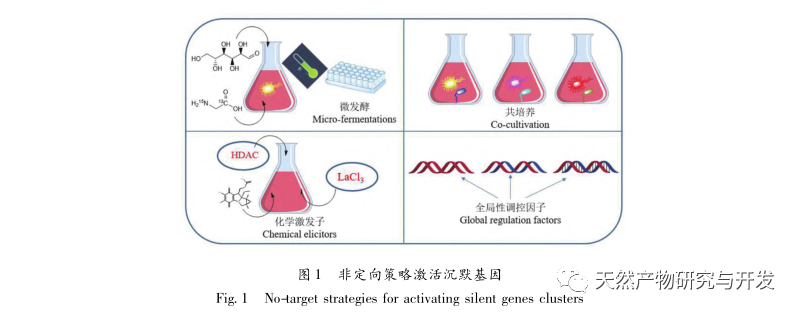
In order to activate the expression of silencing genes in Streptomyces and discover more active secondary metabolites, various methods for activating silencing gene clusters have been developed and applied so far. The commonly used strategies can be divided into two categories: one is non directed activation strategy, which induces Streptomyces to produce different metabolites by changing the composition of the culture medium (carbon source, nitrogen source, trace elements, chemical activators), the growth environment of the strain (temperature, pH, aeration, container type), or microbial co culture; Another type is targeted activation strategy, which uses gene editing technology (CRISPR-Cas9), targeted activation of specific gene clusters (promoter engineering, pathway specific regulatory factor activation, heterologous expression), and other means to enable the expression of silenced genes in Streptomyces. Compared to targeted activation strategies, non targeted activation strategies do not require the establishment of a genetic manipulation system for the target strain, thus having the advantages of simple operation and the ability to simultaneously activate multiple biosynthetic gene clusters (rather than a specific biosynthetic gene cluster), making them more widely applicable. This article provides a brief overview of non directed activation strategies for silencing genes in Streptomyces, such as changing the composition of the culture medium or culture conditions, co culture strategies, adding chemical activators, and global regulation (see Figure 1), and describes the problems faced and future development prospects in this field.
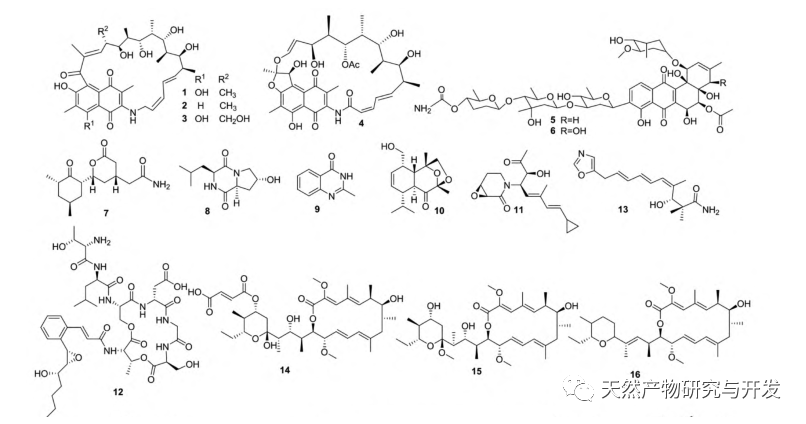
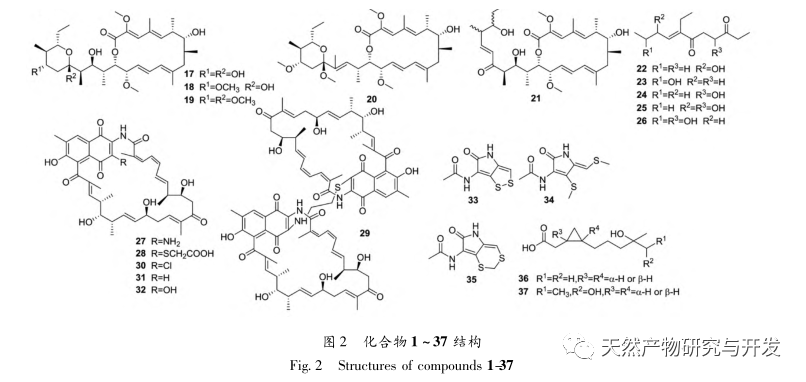

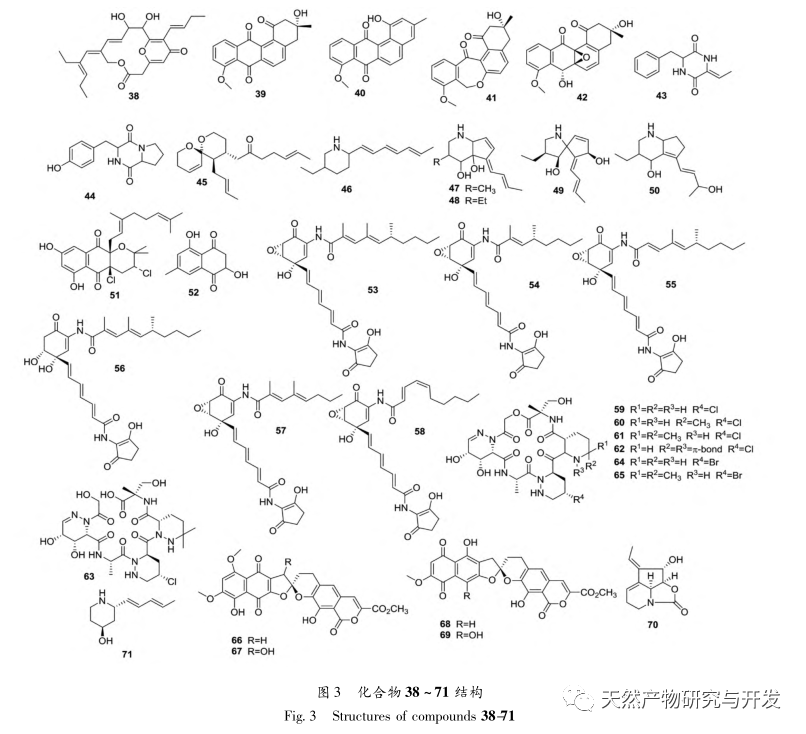


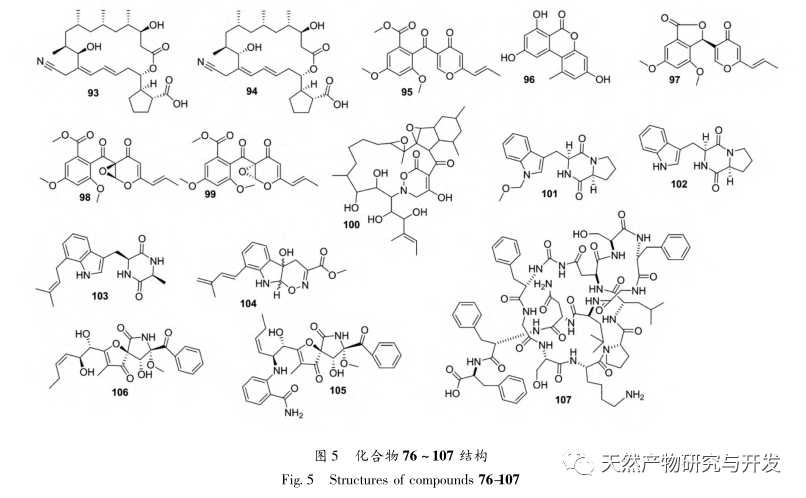
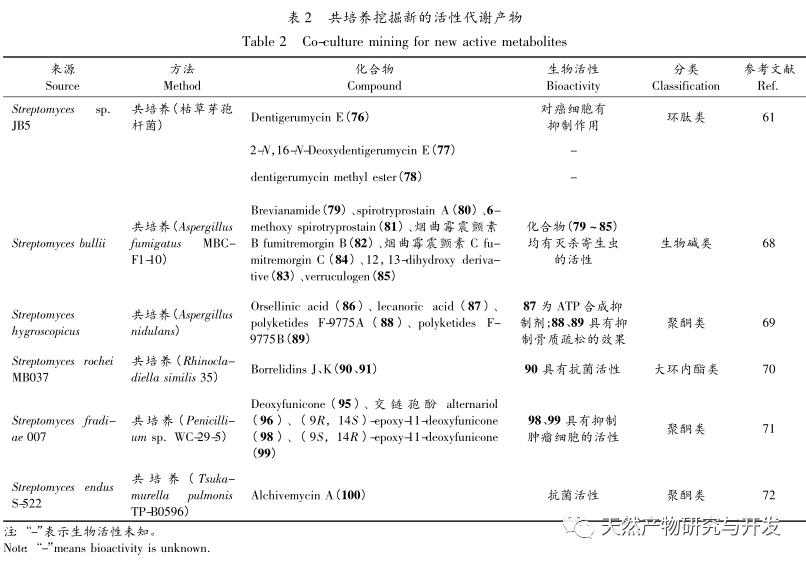
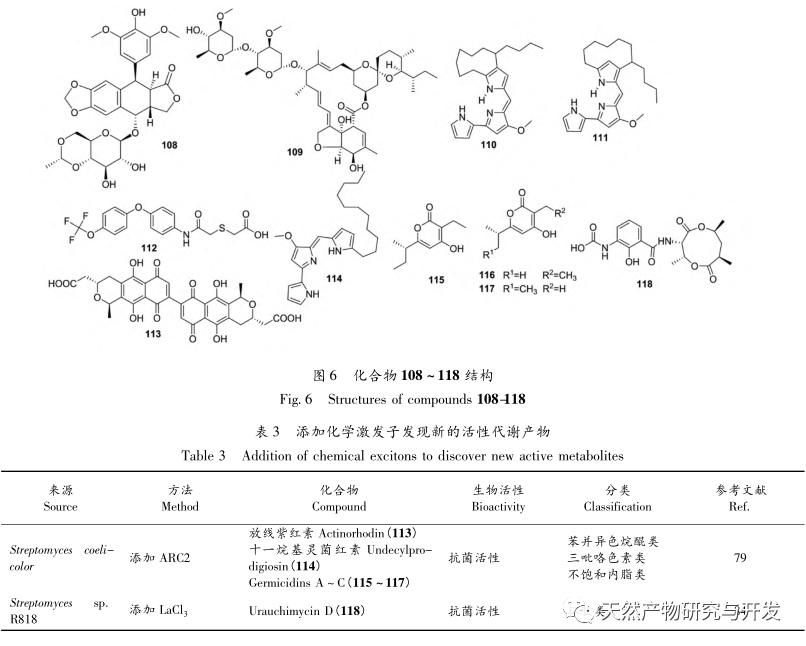
The discovery of antibiotics is a significant milestone in the history of medical development, greatly reducing the incidence and mortality of bacterial infections. Currently, about 60% of the discovered antibiotics are produced by Streptomyces. However, with the widespread use of antibiotics, resistance and superbug problems are becoming increasingly prominent. To address the issues of drug resistance and superbugs, we urgently need to explore new antibiotics. Through bioinformatics analysis of Streptomyces genome data, it was found that a significant portion of genes are in a silent state. Therefore, the activation of silenced gene clusters in Streptomyces is one of the important issues at present. More and more scholars have noticed the potential of Streptomyces to discover new compounds and have begun to study how to stimulate the activation of silenced gene clusters.
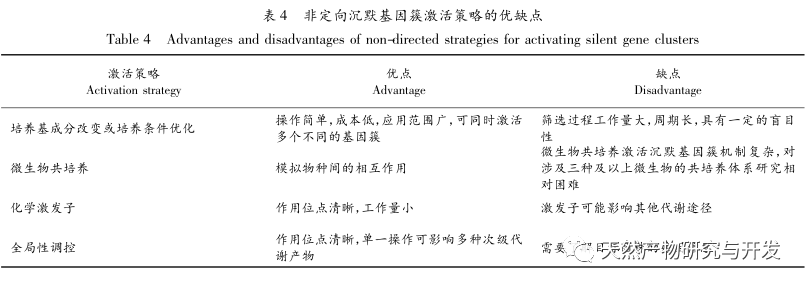
Based on whether the target gene for activation is clear, we divide the current activation strategies into directed activation strategies and non directed activation strategies. Non directed activation strategies include activation strategies that change the composition or conditions of the culture medium, co culture strategies, addition of chemical activators, and global regulation. Compared with some gene based methods such as ribosome engineering, promoter engineering, transcription factor regulation, etc., non directed activation strategies have their own advantages and limitations (see Table 4). In recent years, some new and cutting-edge methods have been developed, such as microfluidic platforms, the combination of micro fermentation and genome scale metabolic models, the combination of biogenic tubes and genomics, HiTEs, etc., which play a huge role in stimulating silenced gene clusters. The combination of non targeted activation strategies with metabolite fingerprinting analysis has been proven to achieve significant results in mining secondary metabolites.
 English
  Danish
  German
  Hungarian
  French
  Russian
  Spanish
  Turkish