
Study on the in vitro anti influenza effect of Ferulaldehyde
Influenza is an acute respiratory infectious disease caused by influenza virus, with seasonal and epidemic characteristics. The influenza virus belongs to the family Orthomyxoviridae and is divided into four types: type A, type B, type C, and type D. Preventing and treating influenza, vaccines and antiviral drugs are still the most effective choices. In terms of reducing incidence rate and mortality, vaccines are considered to be the most ideal way to control influenza pandemic. However, influenza vaccines are only effective when the vaccine strain matches the epidemic virus strain. The most common clinical treatment drugs for influenza are NA inhibitors, including oseltamivir, zanamivir, and paramivir, as well as M2 proton channel blockers, including amantadine and rimantadine. Unfortunately, some newly emerging strains of influenza A virus naturally carry drug mutation genes, leading to resistance to these drugs. Therefore, it is urgent to search for new anti influenza drugs. Influenza virus infection can trigger various immune responses in the body, causing the release of regulatory cytokines such as tumor necrosis factor – α (TNF – α), interleukin-1 (IL-1), interleukin-6 (IL-6), etc. Excessive immune response can also lead to inflammatory damage to target organs and even affect organ function. Therefore, reducing the inflammatory damage caused by influenza virus is also a major aspect of treating influenza.
Phenylpropanoids are a large class of naturally occurring compounds, including phenylpropanol, phenylpropanol, phenylpropanoid, coumarin, lignin, etc. Modern pharmacological research has found that these compounds have the effects of reducing oxidative stress damage, anti-tumor, and anti influenza virus. There is research evidence that the anti influenza effect of traditional Chinese medicine preparation Banlangen is closely related to its phenylpropanoid components. Ferulaldehyde (FDE), a small molecule compound of phenylpropanoid class, is widely present in plants such as licorice, nerve lipid grass, and chamomile, and has been reported to have antioxidant and anti-inflammatory activities. We isolated FDE structures from both Valeriana jatamansi Jones and Paeoniae Rubra Radix, and for the first time discovered their significant anti influenza virus activity. Spider fragrance and red peony, as traditional Chinese medicines with a long history of medicinal use, have also been recorded in the treatment of influenza. Therefore, screening effective compounds from them and studying the mechanism of action of their active ingredients is of great significance for their comprehensive development and utilization. Therefore, this study aims to explore the impact of FDE on the life cycle of influenza virus and its role in the inflammatory response caused by influenza virus infection.
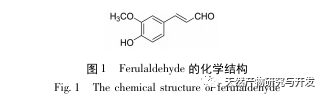
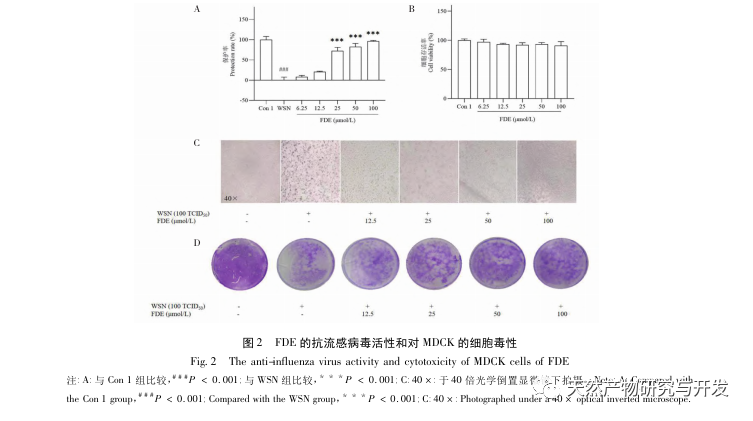

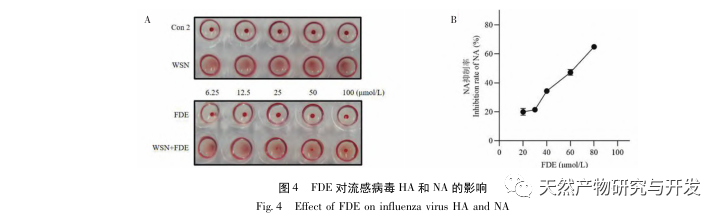
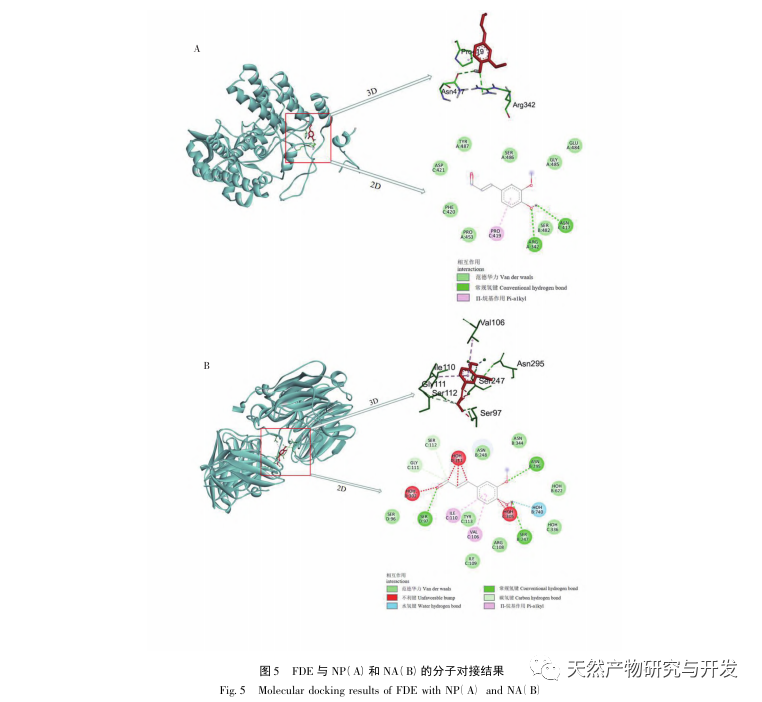
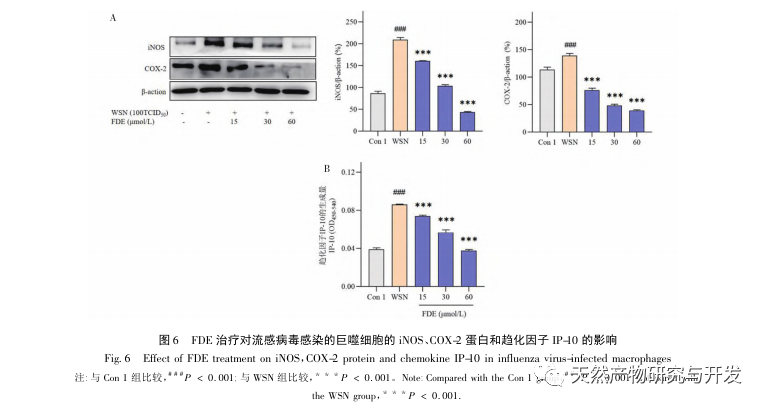 We isolated phenylpropanoid compounds FDE from two medicinal herbs, Spider Fragrance and Red Peony, with contents of 0.02% and 0.012%, respectively. Although phenylpropanoid compounds are not the main components of Spider Fragrance and Red Peony, they are likely to play an important role in the anti influenza application of these two herbs. This study found that FDE has significant anti influenza virus effects. High concentrations of FDE can affect the agglutination of red blood cells, suggesting that it may interfere with the binding of influenza virus to receptor cells, but its effect is not significant at low concentrations. The influenza virus entering the host cell undergoes transcription and replication through various components of the host cell. The virus vRNP is the most basic replication unit of influenza virus, which is a complex composed of viral RNA, alkaline polymerase 1 (PB1), alkaline polymerase 2 (PB2), acid polymerase (PA), and nucleoprotein (NP). VRNP is transported into the nucleus and transcribed into viral mRNA through primer dependent means. The mRNA is then translocated and synthesized into viral proteins. Through the timing experiment of drug addition, we found that FDE can reduce the generation of viral NP protein, which is likely to interfere with the virus replication process. Molecular docking results showed that FDE can indeed bind to the active site of NP protein, and NP may be an effective target of FDE. In addition, we discovered the effect of FDE on NA activity through neuraminidase activity inhibition experiments, and molecular docking experiments also support this result, suggesting that FDE may also inhibit the extracellular process of influenza virus. In addition, the influenza virus itself is not the key cause of severe illness and death. The lung tissue damage or more severe acute respiratory distress syndrome caused by the virus is the main reason for the high pathogenicity and death of influenza viruses, especially highly pathogenic influenza viruses. We found that FDE can reduce the expression of iN-OS and COX-2 in macrophages infected with influenza virus, and also inhibit the expression of IP-10 in macrophages caused by the virus, suggesting that FDE may also affect the recruitment and aggregation of further inflammatory cells and reduce inflammatory response. The above results indicate that FDE may have more than one target for its anti influenza virus activity. The presence of multiple targets in small molecule compounds may make them more efficient and less prone to drug resistance, but it also often makes their effects in vivo more complex and may even have more toxic side effects.
In summary, this study found that the phenylpropanoid FDE in spider fragrance and red peony has anti influenza virus activity in vitro. By exploring the impact of FDE on the lifecycle of influenza virus, it was found that its anti influenza mechanism mainly interferes with the replication and release process of influenza virus, and influenza virus NP and NA proteins are likely targets of its action. At the same time, the compound can also inhibit the expression of inflammation related proteins and chemokines caused by influenza virus, thereby alleviating the immune damage of the body caused by viral infection.

 English
  Danish
  German
  Hungarian
  French
  Russian
  Spanish
  Turkish