
Optimization of Angelica sinensis tail extraction process parameters based on BP-ANN combined with CRITIC method
Angelica sinensis (Oliv) Diels, a plant in the Umbelliferae family, is the dried root of Angelica sinensis (Oliv) Diels. It is a representative medicinal herb of the “root branching theory” and is commonly used in clinical practice to treat conditions such as blood deficiency, yellowing, dizziness, palpitations, menstrual disorders, menstrual cramps, cold deficiency, abdominal pain, rheumatism, edema, ulcers, intestinal dryness, and constipation. Traditional Chinese medicine practitioners believe that different medicinal parts of Angelica sinensis should be used separately. For example, “Angelica sinensis should stop bleeding at the head, nourish the blood in the body, break the blood at the tail, and promote blood circulation throughout the body” (Li Gao’s “On the Spleen and Stomach”). In the preliminary research of the project team, after heating and reflux extraction (hereinafter referred to as “extraction”) of different medicinal parts of Angelica sinensis, the percentage content of ferulic acid, chlorogenic acid, Euphorbia, and ligustilide, as well as the dry paste rate of Angelica sinensis tail, all showed a decreasing trend, indicating the need for separate application and research on different medicinal parts of Angelica sinensis.
Literature search found that current research on Angelica sinensis mainly focuses on the overall study of Angelica sinensis, and there is a lack of research on a specific medicinal part of Angelica sinensis; In addition, in clinical application and production practice, related work is mostly carried out on the whole body of Angelica sinensis, and there are few cases of following ancient methods and targeting a specific medicinal part of Angelica sinensis; Over time, this is not conducive to the development principles of “inheritance and innovation” in traditional Chinese medicine, nor is it conducive to comprehensive and in-depth research on Angelica sinensis. Therefore, the project team plans to take Angelica sinensis tail as the main research object, select the percentage content of four main chemical components including ferulic acid and the dry paste rate of Angelica sinensis tail as the evaluation indicators, select the extraction frequency, solid-liquid ratio, and extraction time as the evaluation factors, and use BP-ANN combined with CRITIC method to systematically study the extraction process of Angelica sinensis tail, optimize relevant process parameters, in order to establish the optimal extraction process of Angelica sinensis tail and provide data support for further research on Angelica sinensis tail.
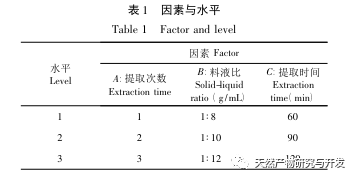
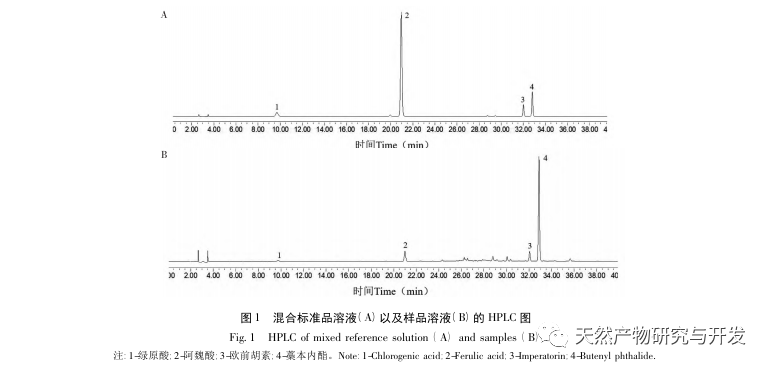
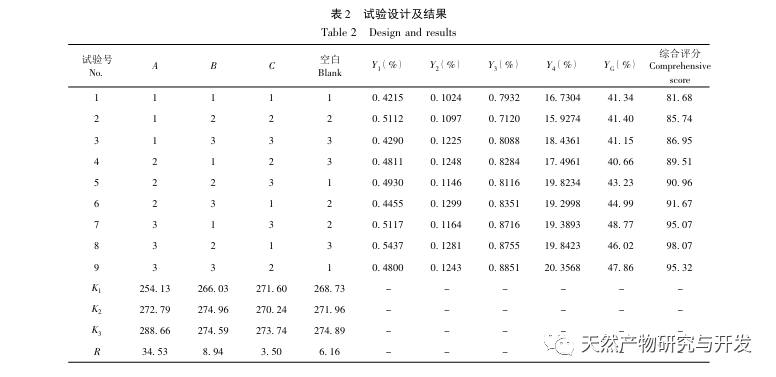
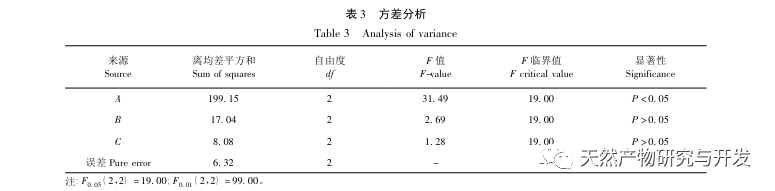

Selection of evaluation indicators. Literature research has shown that ferulic acid, chlorogenic acid, and ligustilide mentioned in the article are the most frequently occurring chemical components in current research on Angelica sinensis; Ferulic acid is an indicator component of Angelica sinensis as specified in the Pharmacopoeia, and it also has anti platelet aggregation and inhibition of platelet 5-hydroxytryptamine release; Chlorogenic acid is an important phenolic acid component in Angelica sinensis. Clinical studies have shown that it not only excites the central nervous system, but also has antiviral and antibacterial properties; Gaoben lactone, as one of the important volatile oil active ingredients in Angelica sinensis, can relieve spasms, calm, and treat asthma; Eucommia ulmoides is an important coumarin component in Angelica sinensis, which varies greatly depending on the production area, but there are few related studies using it as an indicator component of Angelica sinensis. In summary, based on previous research, using the percentage content of the four chemical components and the dry paste rate of Angelica sinensis as evaluation indicators can make the results of this study more scientific and accurate, while meeting the characteristics of traditional Chinese medicine clinical medication channels, multiple targets, and complex disease progression levels.
Selection of weight coefficient calculation method. As is well known, the pharmacological components of traditional Chinese medicine are complex and have a wide range of pharmacological effects. Therefore, when conducting multi index component studies, it is often necessary to clarify the weight coefficients of each index component. The CRITIC method is an objective weighting method that uses the standard deviation and correlation coefficient of the evaluation indicators themselves to comprehensively measure the relevant weights. The weight coefficients obtained are less affected by factors such as the researcher’s knowledge and experience, and the relevant weights obtained are more scientific and rigorous compared to subjective weighting, AHP weighting, and other weighting methods.
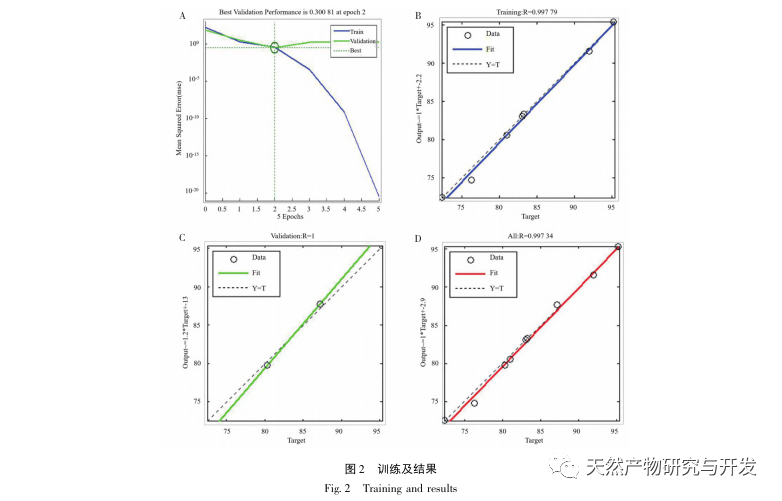
BP-ANN is an intelligent system that can simulate the structure and operation mechanism of human brain tissue. It not only has self-organizing, adaptive, and self-learning abilities, but also has good function approximation ability. BP-ANN can perform better fitting and prediction to find the optimal value within a limited range. Compared with experimental design methods such as orthogonal experiments and response surfaces, it can autonomously learn to find the optimal extraction process parameters within a limited range, reducing the number of experiments while making the obtained conditions more accurate; Simultaneously meeting the complexity and diversity of traditional Chinese medicine extraction.
In summary, this experiment used BP-ANN combined with CRITIC method to optimize the extraction process parameters of Angelica sinensis tail. The results are more scientific, rigorous, and accurate, which can provide data support for the subsequent systematic and systematic research of Angelica sinensis tail, and provide new ideas for further deepening research on Angelica sinensis.
 English
  Danish
  German
  Hungarian
  French
  Russian
  Spanish
  Turkish