
Extraction of Polyphenols from Camellia oleifera and Its Inhibition on Common Plant Pathogenic Fungi
Camellia oleifera is a perennial evergreen shrub belonging to the Theaceae Mirb family and Camellia L. genus. Oil tea contains a large amount of active substances, such as polyphenols, squalene, flavonoids, and trace elements. At present, people’s development and utilization of oil tea mainly focus on oil tea seeds and oil tea seed oil, while the leaves of oil tea have become waste.
Polyphenols refer to compounds with multiple phenolic hydroxyl groups in their molecular structure, which are widely distributed in the roots, stems, leaves, and fruits of plants. The main derivatives of polyphenols are catechins, which also contain phenolic acids, flavanols, and other substances. Polyphenols, as a type of plant secondary metabolite, are one of the important biochemical substances for plants to resist pathogen invasion. At present, there are many studies on the antibacterial activity of tea polyphenols on animal bacteria, and it has been widely recognized. However, most of the research on oil tea polyphenols only focuses on the extraction and content determination of polyphenols in camellia seed oil, and there is a relative lack of research on their antibacterial activity. Therefore, this study extracted polyphenols from Camellia oleifera and investigated their inhibitory activity and mechanism against plant pathogenic fungi, providing a basis for the development of plant-based pesticides and green prevention and control of diseases. Research is beneficial for expanding the comprehensive development and utilization of oil tea resources, as well as the application of polyphenols in the field of biopesticides.


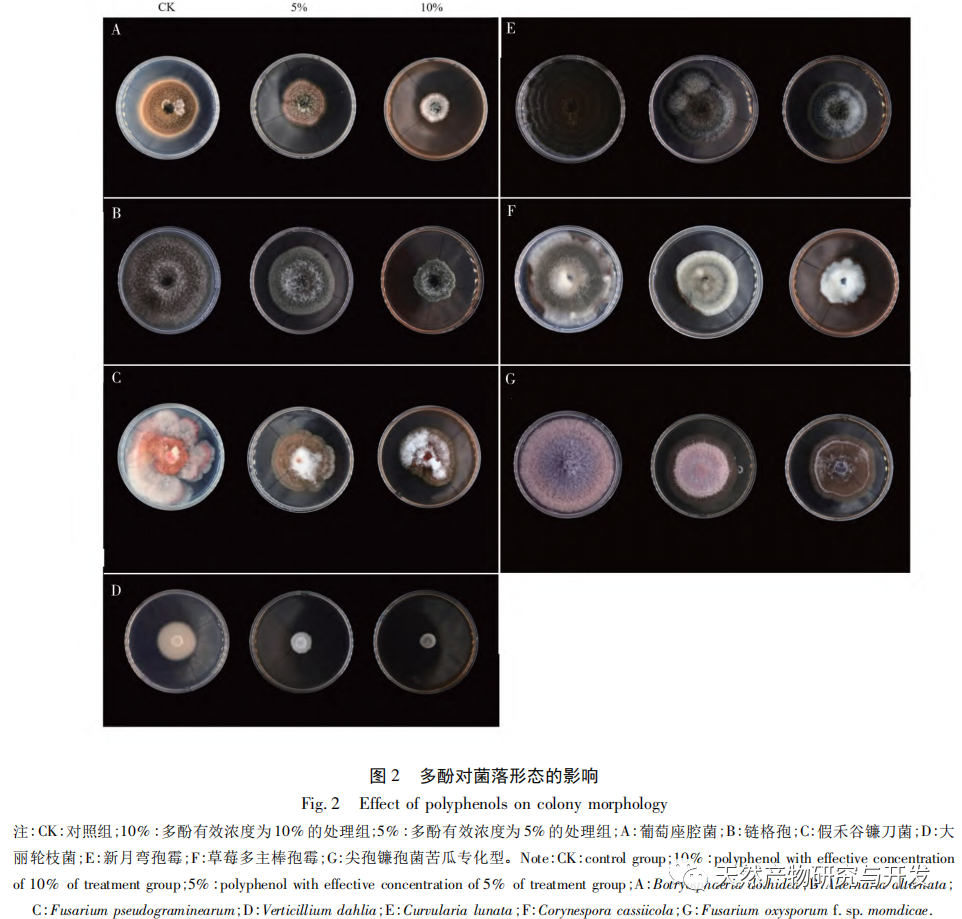
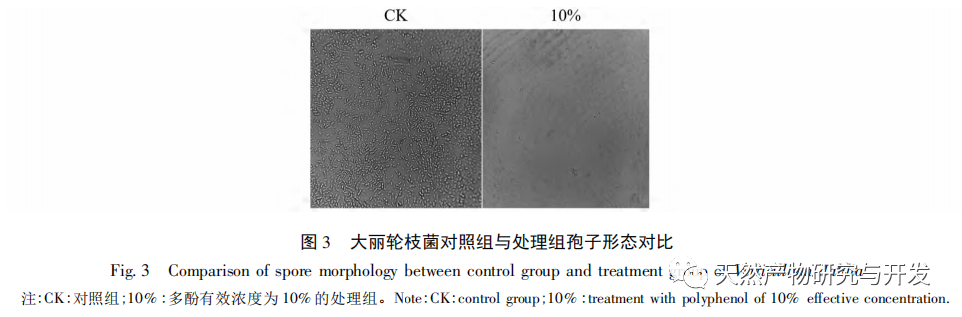
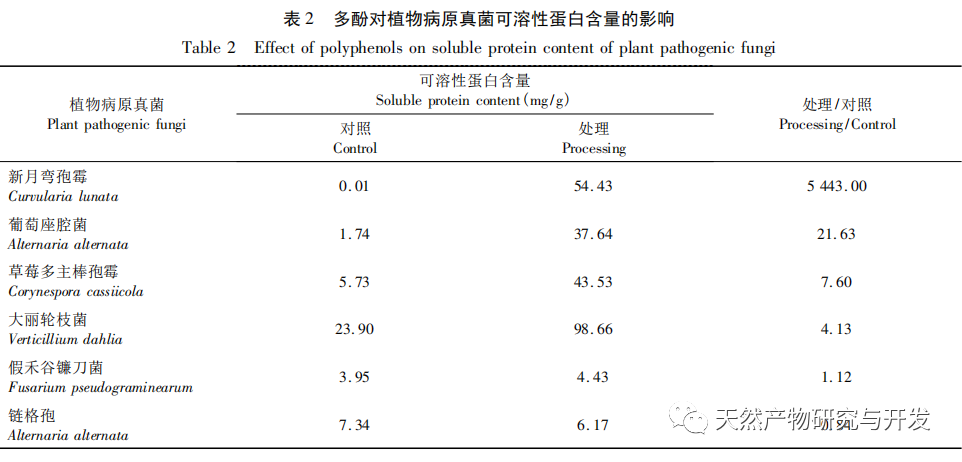 The experimental results of polyphenol extraction from Camellia oleifera showed that the ratio of material to liquid, ethanol concentration, and ultrasonic time had a significant impact on the extraction of polyphenols. The application of β – cyclodextrin can improve the extraction rate of polyphenols. The optimal process conditions for the assisted extraction of polyphenols from Camellia oleifera using β – cyclodextrin are: a solid-liquid ratio of 1:30, ethanol concentration of 60%, ultrasonic time of 60 minutes, and β – cyclodextrin addition of 0.80g. Under these conditions, the extraction rate of polyphenols is 22.92%. This research result can provide a theoretical basis and reference for the assisted extraction of polyphenols from Camellia oleifera using β – cyclodextrin. This study indicates that polyphenol extracts can inhibit the growth and spore formation and germination of common plant pathogenic fungi, alter hyphal morphology and colony color, and change the permeability of pathogenic fungal cell membranes. This provides a new option for the development of antifungal drugs and genetically modified disease resistant plants.

 English
  Danish
  German
  Hungarian
  French
  Russian
  Spanish
  Turkish