
Study on the Quality of Medicinal Chrysanthemums of Different Varieties Produced in Chongqing
Chrysanthemum is the dried head shaped inflorescence of the Asteraceae plant Chrysanthemum morifolium Ramat. It has a sweet and bitter taste, slightly cold, and belongs to the lung and liver meridians. It has the functions of dispersing wind and heat, clearing the liver and improving vision, clearing heat and detoxifying, and calming liver yang. The flavonoids and phenylpropanoids in chrysanthemums are the main pharmacological components of chrysanthemums, which have a wide range of pharmacological activities such as anti allergy, tumor inhibition, anti cardiovascular lipid peroxidation, antibacterial, antiviral, and free radical scavenging. Currently, they are widely used in clinical practice for the treatment of diseases such as wind heat cold, dizziness, and blurred vision.
Chrysanthemum, as a major medicinal herb, has numerous varieties. The Pharmacopoeia of the People’s Republic of China (2020 edition) includes five major varieties: “Boju”, “Chuju”, “Gongju”, “Hangju”, and “Huaiju”. In addition, there are also varieties such as Qiju, Chuanju, and Jiju on the market. Modern research has shown that the biological morphology of different varieties of chrysanthemums varies, and there are also significant differences in the content of various organic acids, flavonoids, and other components. Generally, traditional breeding work focuses on the botanical traits of chrysanthemums, such as inflorescence size, disk diameter, petal number, fragrance, color, branching, leaf shape, and plant height. At the same time, emphasis is placed on cultivating and fixing their significant trait characteristics, but there is less investigation of effective ingredients. The quality of chrysanthemums is not only related to their ecological characteristics, but also closely related to indicators such as trace elements, flavonoids, phenols, and volatile oils.
Quantitative analysis of multi com components by single maker (QAMS) refers to a quantitative measurement method that uses stable quality, easily obtainable reference standards, and clinically effective components as internal standards, calculates their content and relative correction factors between other components and this component, and utilizes the intrinsic functional relationships between drug components to achieve rapid determination of the content of multiple chemical components. Research has shown that the one test multiple evaluation method is efficient, convenient, accurate, and feasible for determining the content of chemical components in chrysanthemums. Its results are not significantly different from external standard methods and can simultaneously determine the content of multiple chemical components in chrysanthemums.
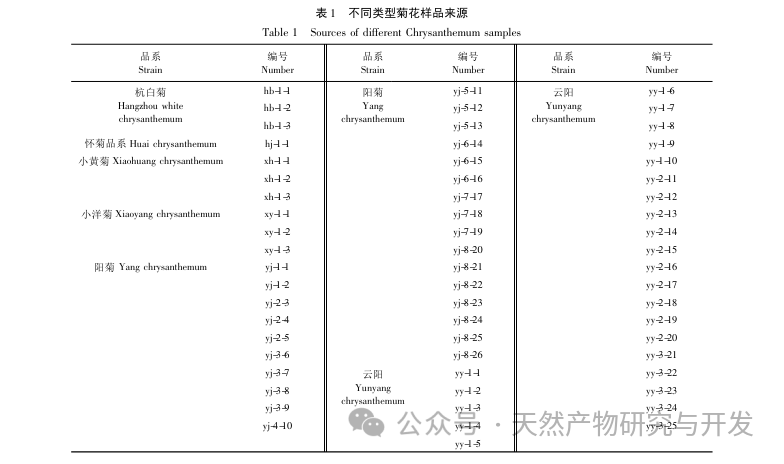
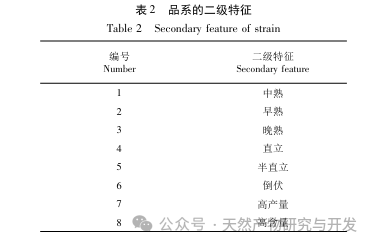
This article takes Hangbai Chrysanthemum, Xiaoyang Chrysanthemum, Huai Chrysanthemum, Xiaohuang Chrysanthemum, and various medicinal chrysanthemums with different morphological characteristics, as well as local strains in Yunyang, as the research objects. The content of flavonoids and organic acids in chrysanthemums with different morphological characteristics was determined, and the moisture and total ash content were also measured to comprehensively study the internal relationship between different morphological characteristics and various medicinal ingredients of individual chrysanthemums. This study used cluster analysis and principal component analysis to develop a comprehensive evaluation method for chrysanthemum quality. Based on varieties that can be produced normally in Chongqing, the quality of chrysanthemums was compared, and high-quality individual plants were ultimately selected to provide a basis for further propagation and regional experiments. The aim is to provide experimental data for the breeding and evaluation of medicinal chrysanthemum varieties in Chongqing.
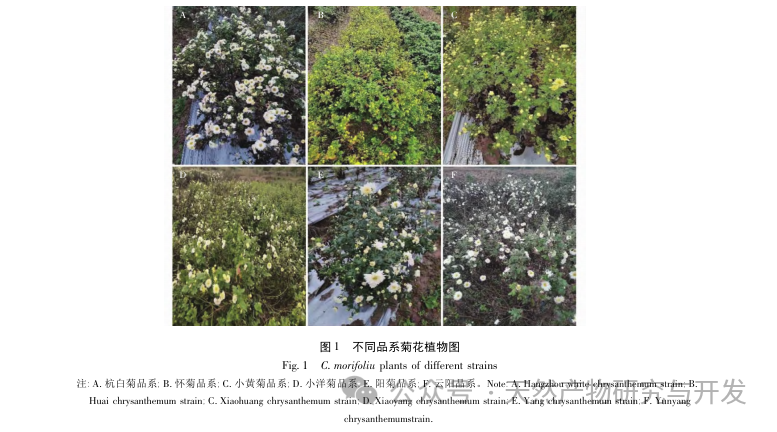

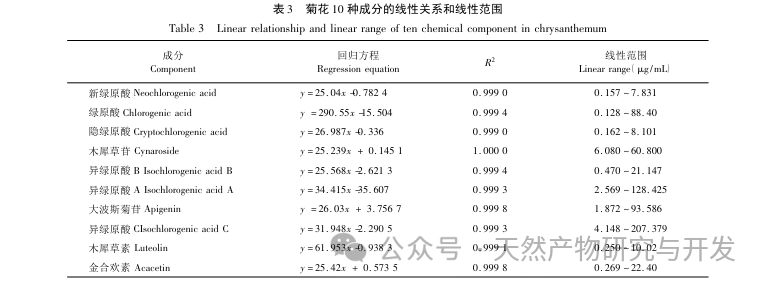
In this experiment, different concentrations of phosphoric acid water and acetonitrile were used as mobile phases to compare and analyze the peak shape, retention time, separation degree, and baseline stability of 10 chemical components in chrysanthemum. The mobile phase system with better peak symmetry, smoother baseline, and better separation effect, namely acetonitrile-0.4% phosphoric acid water-soluble mobile phase system, was ultimately selected, which was more effective than the pharmacopoeia specified acetonitrile-0.1% phosphoric acid water-soluble mobile phase system. By scanning the 200-400nm wavelength range, it was found that organic acids have strong and concentrated UV absorption between 320-335nm, while flavonoids have strong and concentrated UV absorption between 330-360nm; The strongest UV absorption wavelengths of chlorogenic acid, neochlorogenic acid, isochlorogenic acid A, etc. are close to 328nm, while the strongest UV absorption wavelengths of syringin, daidzein, and luteolin are all close to 348nm, and there is a significant difference in peak area between the two types of substances at the two wavelengths. Therefore, in order to ensure the accuracy of the content results, this experiment selected wavelengths of 328nm and 348nm to detect organic acids and flavonoids, respectively, to avoid errors caused by the detection of the two substances at the same wavelength.
The experiment selected heating reflux and ultrasound assisted extraction methods to extract the samples. 50% methanol, 75% methanol, and pure methanol were used for different extraction durations. Finally, the extraction effects, operational difficulty, and time efficiency of different extraction methods were comprehensively compared. The optimal pre-treatment method was determined to be using a 70% methanol aqueous solution for 45 minutes of ultrasound treatment at 60 ℃. This method not only significantly improved the extraction efficiency and accuracy, but also reduced the tedious experimental process.
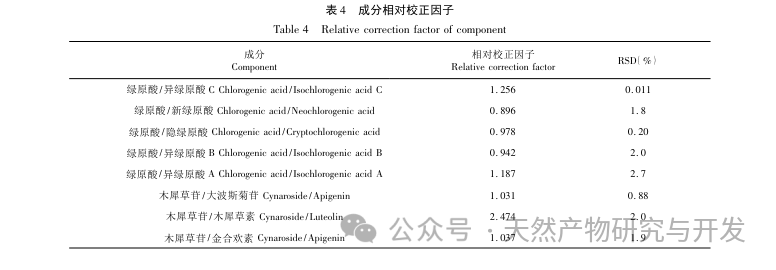
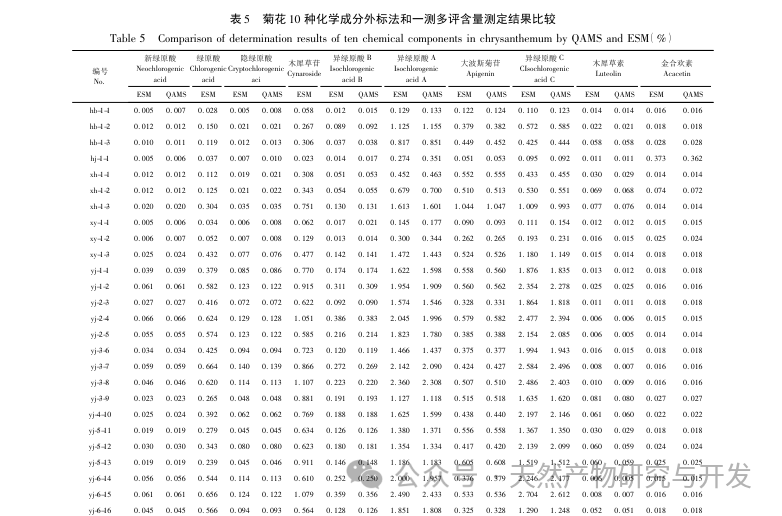
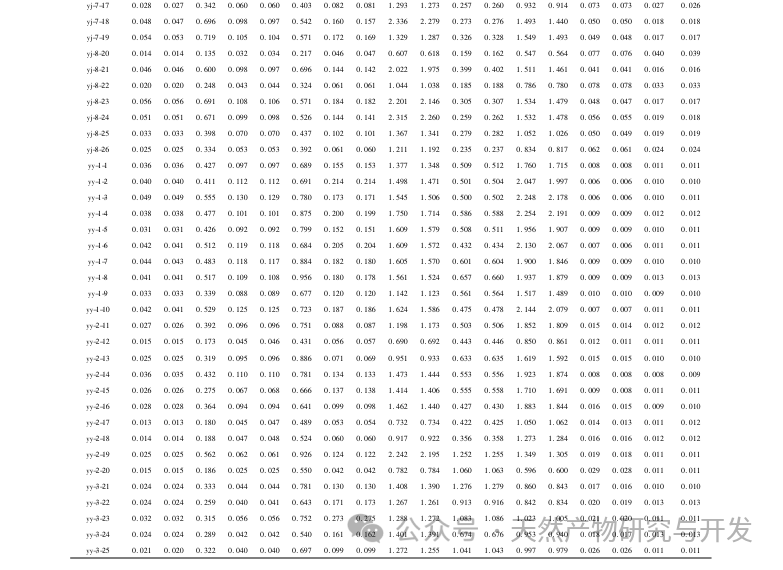
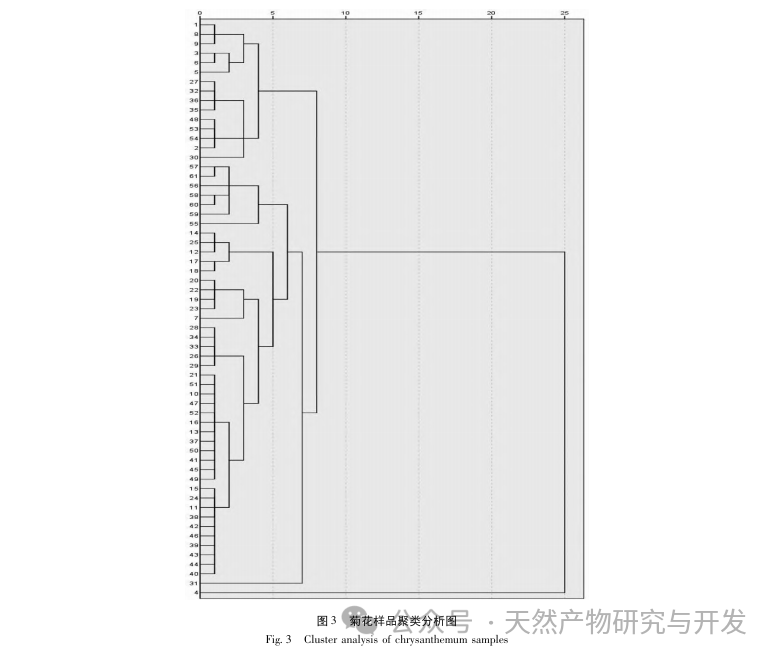
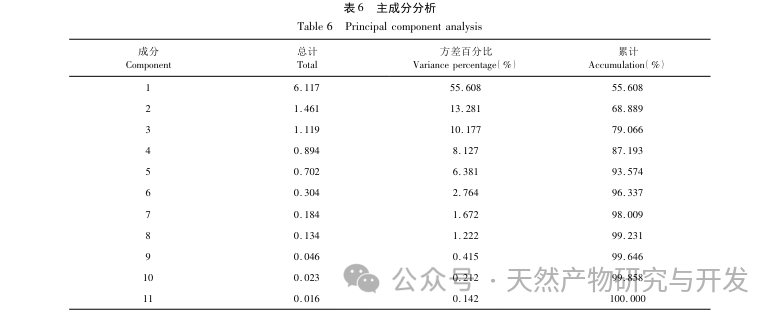
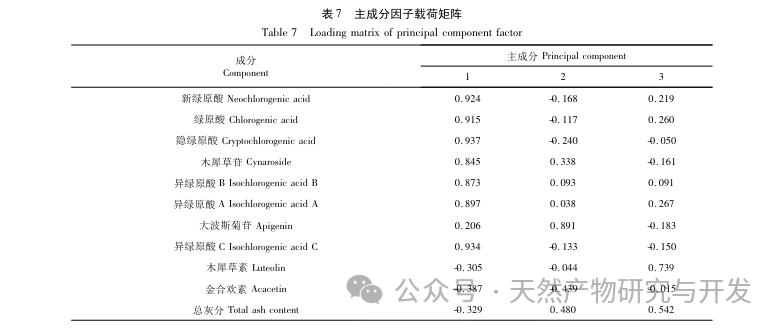
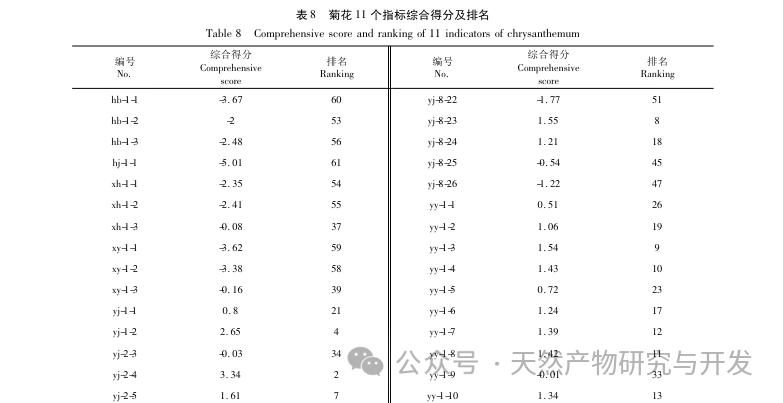
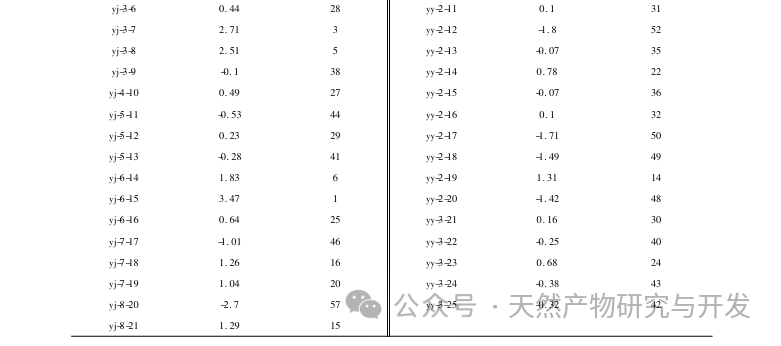
In summary, this article studies the establishment of a method for simultaneously determining the content of 10 chemical components in chrysanthemum using HPLC with multiple evaluations. The study used chlorogenic acid and verbascoside as internal standard references to determine the content of 10 components in 61 chrysanthemum plants based on relative correction factors, and the results showed no significant difference compared to the external standard method. The results indicate that this method is efficient, convenient, accurate, and feasible, and its results are basically the same as those of traditional content determination; At the same time, cluster analysis and principal component analysis were used to develop a comprehensive evaluation method for chrysanthemum quality. Three excellent individual plants with the best quality and suitable for growth in Chongqing were preliminarily screened, namely the Yangju strain (yj-2-4 yj-3-7、yj-6-15)。 This provides experimental data for the next step of new variety breeding, and also provides a new method for comprehensive control and evaluation of the intrinsic quality of medicinal chrysanthemums produced in Chongqing. Provide scientific basis for the breeding and quality evaluation of chrysanthemum varieties.

 English
  Danish
  German
  Hungarian
  French
  Russian
  Spanish
  Turkish