
Screening of antioxidant substances in total flavonoids from chrysanthemum stems and leaves based on spectral effect relationship and exploration of its mechanism
Chrysanthemums have a long history of clinical application. With the continuous deepening of research on the active ingredients in chrysanthemums, there are more and more processed products related to chrysanthemums. However, chrysanthemum stems and leaves, as by-products of chrysanthemum harvesting, are usually used as animal feed or discarded. Currently, there is a lack of in-depth and systematic research. Previous studies have shown that chrysanthemum stems and leaves contain resource-based chemical components such as flavonoids, phenolic acids, polysaccharides, volatile oils, nucleosides, and amino acids, which are similar to chrysanthemum components. They also have pharmacological effects such as antioxidant, anti-inflammatory, lipid-lowering, and improvement of intestinal dysfunction. At present, studies have shown that total flavonoids from stems and leaves of Chrysanthemum morifolium (TFCSL) have good antibacterial and free radical inhibitory effects. In addition, chrysanthemum stem and leaf extracts also have a certain protective effect on oxidative stress induced by tert butanol peroxide in human liver cells. Therefore, chrysanthemum stems and leaves can also be used as extraction materials for total flavonoid active ingredients, which is of great significance for reducing resource waste.
The study of the relationship between traditional Chinese medicine spectrum and efficacy is to link the fingerprint spectrum of each component in traditional Chinese medicine with the pharmacological results, clarify the contribution rate of each component to the pharmacological effect through various data processing models, and thus determine the compound groups related to the pharmacological effect. Network pharmacology is a new model of drug research that is cross applied to target prediction, mechanism of action, and physiological and pathological process analysis, establishing drug-related targets from multiple perspectives, and revealing complex disease mechanisms. Molecular docking is a method of computer-aided drug design that elucidates the interaction and location between active ingredients and targets in traditional Chinese medicine at the molecular level. Vascular endothelial cells maintain dynamic balance by secreting active substances that regulate vascular function. High glucose can cause an increase in the production of reactive oxygen species in human umbilical vein endothelial cells (HUVECs), leading to oxidative stress and functional disorders. Simultaneously measuring the levels of malondialdehyde (MDA) and superoxide dismutase (SOD) can more accurately reflect the oxidative stress status within vascular endothelial cells. This study explored the correlation between common peaks and antioxidant stress activation by establishing fingerprint spectra of different batches of TFCSL, in order to screen the material basis; Using databases such as Gene Cards and OMIM to screen disease targets, construct a traditional Chinese medicine component target network, and predict key antioxidant targets and mechanisms; Combining molecular docking to explore the interactions between small molecules and proteins, in order to enhance the utilization value of chrysanthemum stem and leaf as by-products of chrysanthemum harvesting, provide theoretical basis for the comprehensive development and utilization of chrysanthemum resources in the later stage, and improve the resource reuse of traditional Chinese medicine.
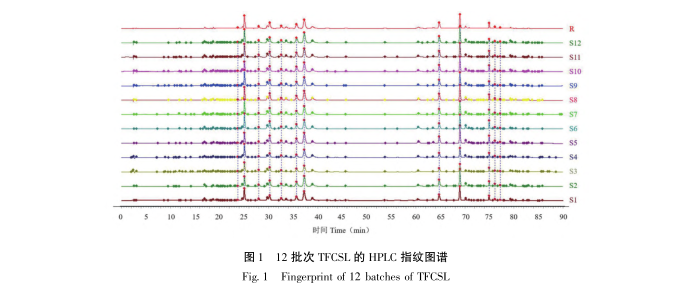
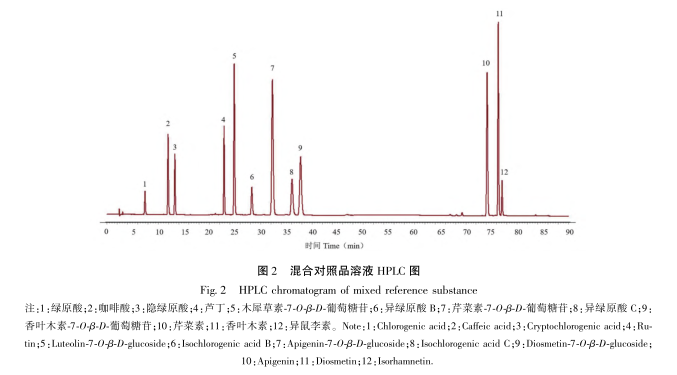
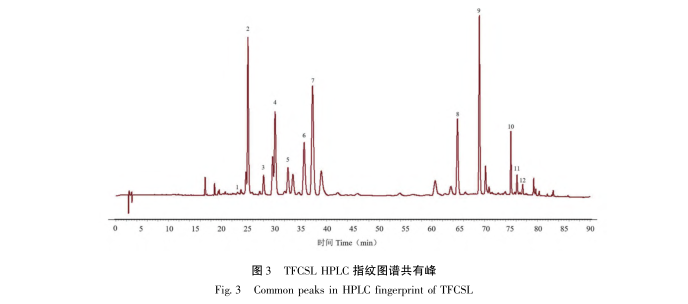
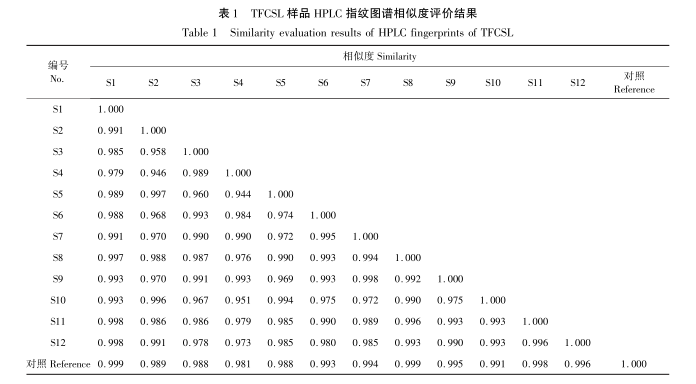
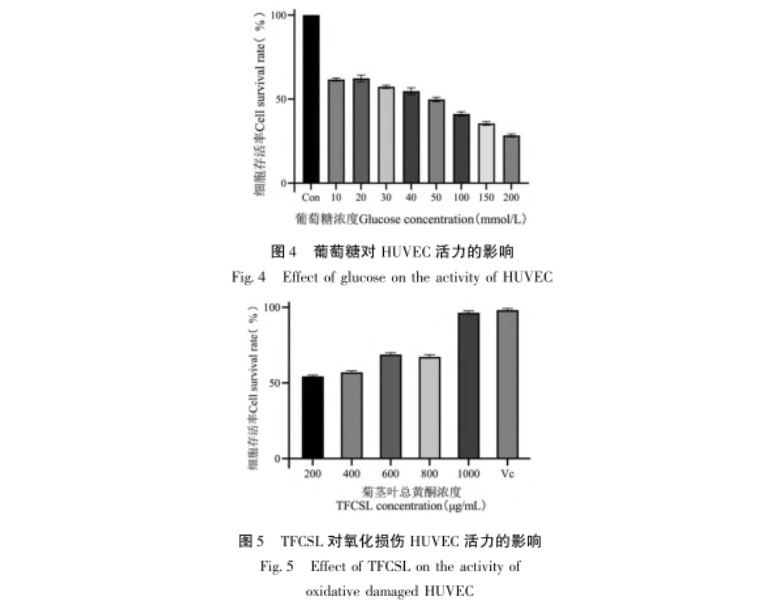
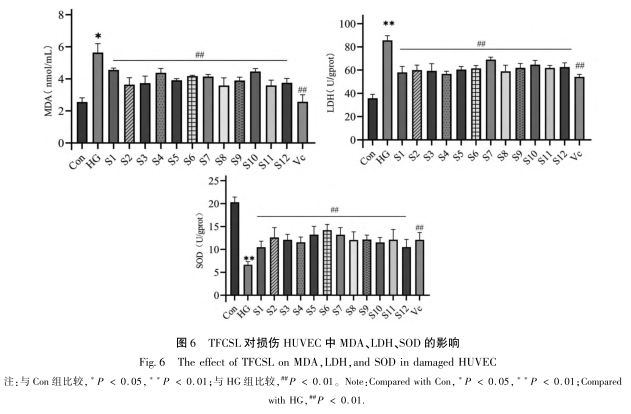
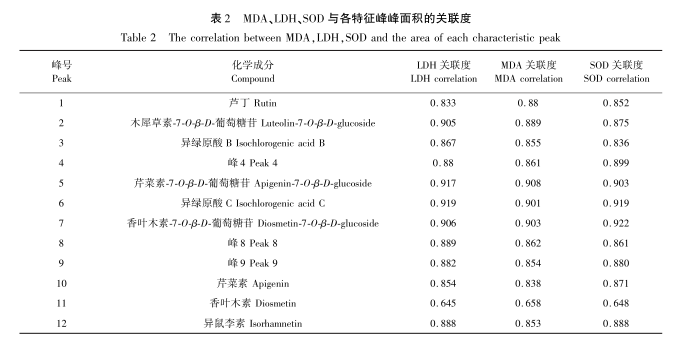
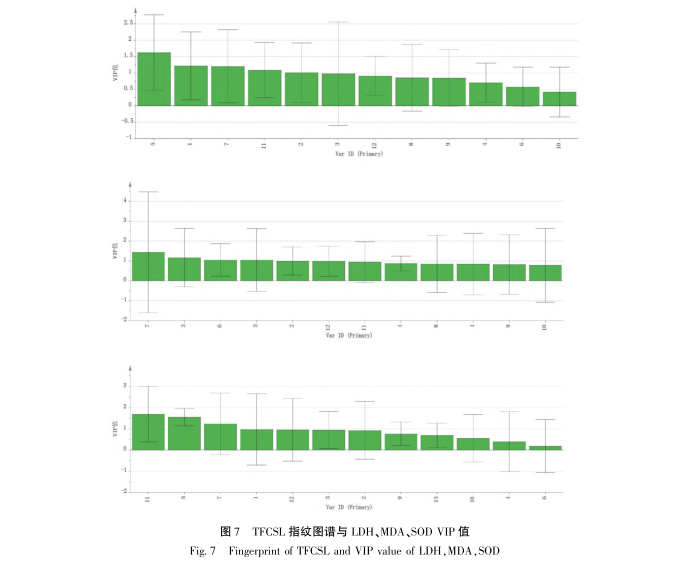
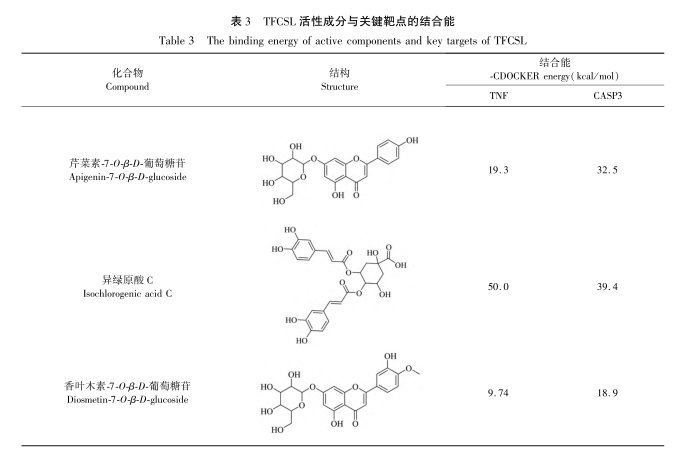 This study established HPLC fingerprint spectra for 12 batches of TFCSL samples, identified 12 common peaks, and identified 9 peaks using standard samples. Under high sugar conditions, HUVEC can be damaged and physiological factor secretion disrupted, manifested by promoting cell apoptosis, significantly increasing LDH and MDA content in the supernatant, and significantly reducing SOD activity. After treatment with TFCSL, in addition to significantly inhibiting cell apoptosis, it can also improve the levels of oxidative stress-related factors and protect the normal physiological function of HUVEC. Using grey relational analysis and partial least squares regression to analyze the correlation between each common peak and antioxidant activity, it is speculated that peak 5 (apigenin 7-O – β – D-glucoside), peak 6 (isochlorogenic acid C), and peak 7 (vanillin 7-O – β – D-glucoside) are the material basis for TFCSL antioxidant stress.
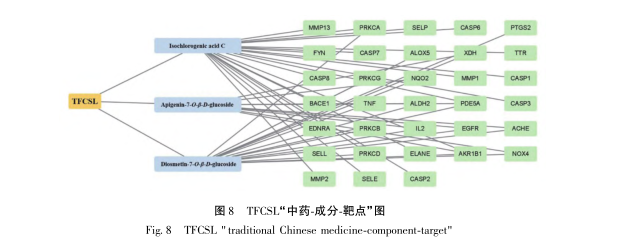
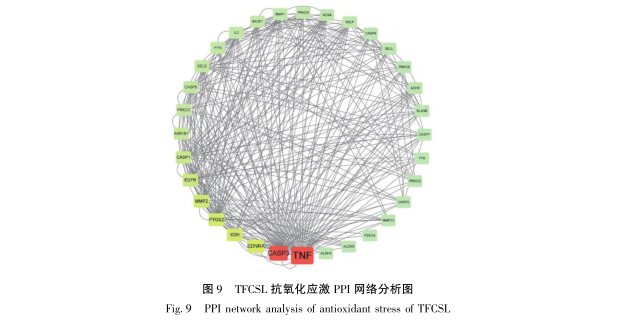
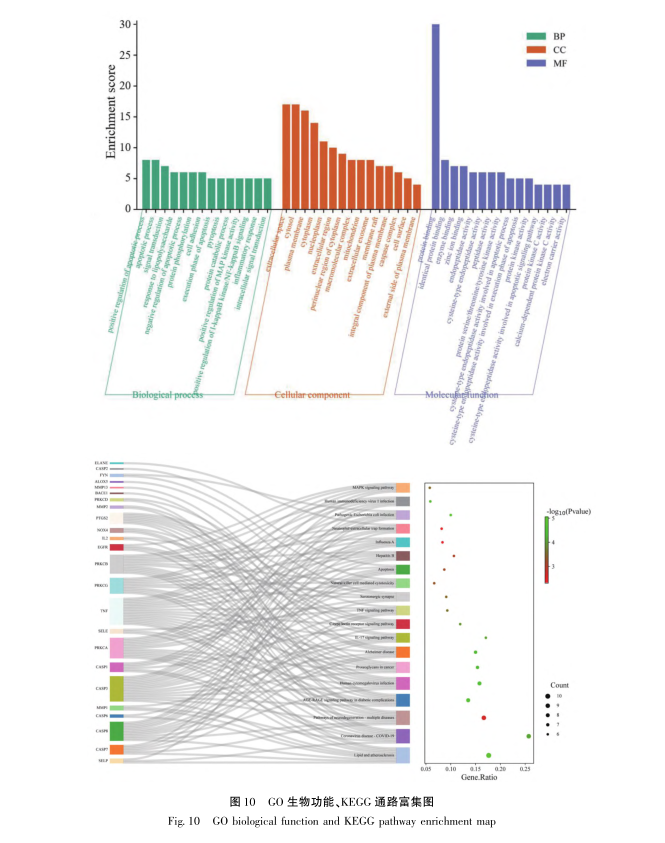
Network pharmacology analysis was conducted on the antioxidant stress effects of three components obtained from spectrum effect correlation analysis, and an active ingredient target network was constructed. TNF and CASP3 were screened as potential key targets. KEGG enrichment analysis showed that the antioxidant activity of total flavonoids in chrysanthemum stems and leaves may be related to the TNF pathway, MPKA pathway, IL-17 signaling pathway, and other pathways. GO enrichment analysis may exert antioxidant stress effects through molecular functions such as protein kinase activity, ATP binding, enzyme binding, as well as signal transduction and regulation of cellular biological processes. TNF is one of the important pro-inflammatory factors, among which TNF – α can stimulate vasodilation and increase endothelial cell permeability. Apigenin 7-O – β – D-glucoside can alleviate dextran sulfate induced colitis by inhibiting the MAPK pathway and regulate TNF – α expression; Modern pharmacological studies have shown that isochlorogenic acid C can reduce the expression and transcription of TNF – α in macrophages; In addition to playing an important role in apoptosis, CASP also promotes the production of pro-inflammatory cytokines. Vanillin 7-O – β – D-glucoside has a protective effect on vascular endothelial cells under serum-free conditions, reducing intracellular ROS levels and downregulating CASP3 levels.
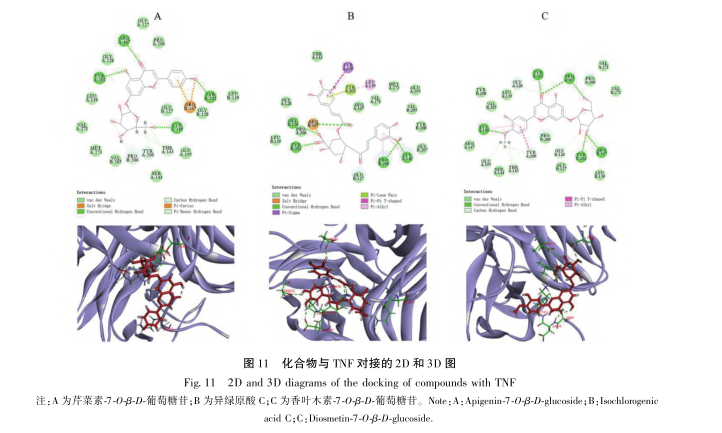
By analyzing and comparing the molecular docking results of Discovery Studio software, it was found that the three main active ingredients in TFCSL have relatively stable binding activity with TNF and CASP3. Through further screening and docking results, it was found that most of the residues involved in the interaction between the three components and TNF and CASP3 proteins are the same. Among them, the common residues with multiple types of receptor interactions and strong effects are mainly SER9 LYS11、PRO12、ALA156、ASP10、LYS11, It is inferred that they may be active site residues of receptors.
Chrysanthemum resources are widely distributed in China, but there are currently shortcomings in the development and utilization of chrysanthemums. There are relatively few research reports on other non medicinal parts such as roots, stems, leaves, etc. The chemical composition of non medicinal parts of chrysanthemum is extremely similar to chrysanthemum, with significant biological activity. However, due to the lack of in-depth research, these effective ingredients have not been properly utilized and developed. This study conducted preliminary research and exploration on the antioxidant activation of TFCSL, followed by structural analysis of unclear common peaks and further development of its functions through pharmacological experiments, in order to provide scientific basis and reference for the development, utilization, and industrialization of chrysanthemum stems and leaves.

 English
  Danish
  German
  Hungarian
  French
  Russian
  Spanish
  Turkish